
Neurological Surgery Residency

Finger pointing at a spot on the x-ray
Image of Corewell health logo and Michigan State University College of Human Medicine logo
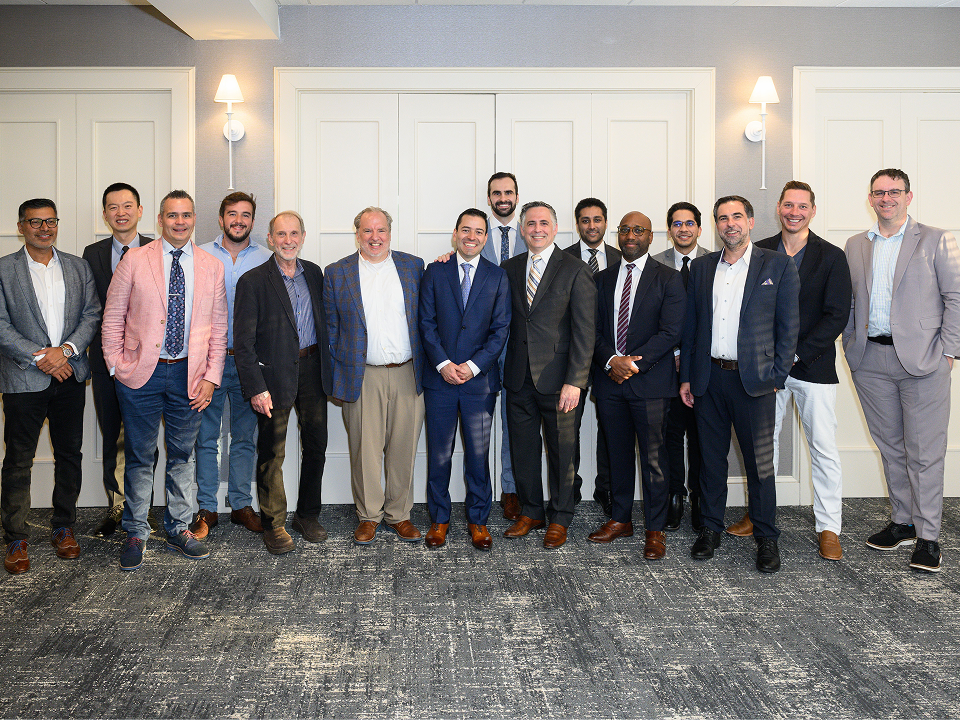
Group photo of a large gathering of people dressed in professional and semi-formal attire standing together in a banquet-style room.

The Corewell Health – Grand Rapids/Michigan State University Neurological Surgery Residency is committed to producing highly qualified neurosurgeons who have the confidence to undertake their craft of clinical decision-making and surgical expertise with distinction. The program is currently a seven-year program with access to all neurosurgical sub-specialties.

Training is conducted at Butterworth Hospital, Blodgett Hospital, and Helen DeVos Children’s Hospital. A large array of technical assets in both diagnostic and therapeutic domains, coupled with the clinical expertise of specialty-focused staff, serve to supplement the training experience to prepare trainees for future practice.  

Our program, your future

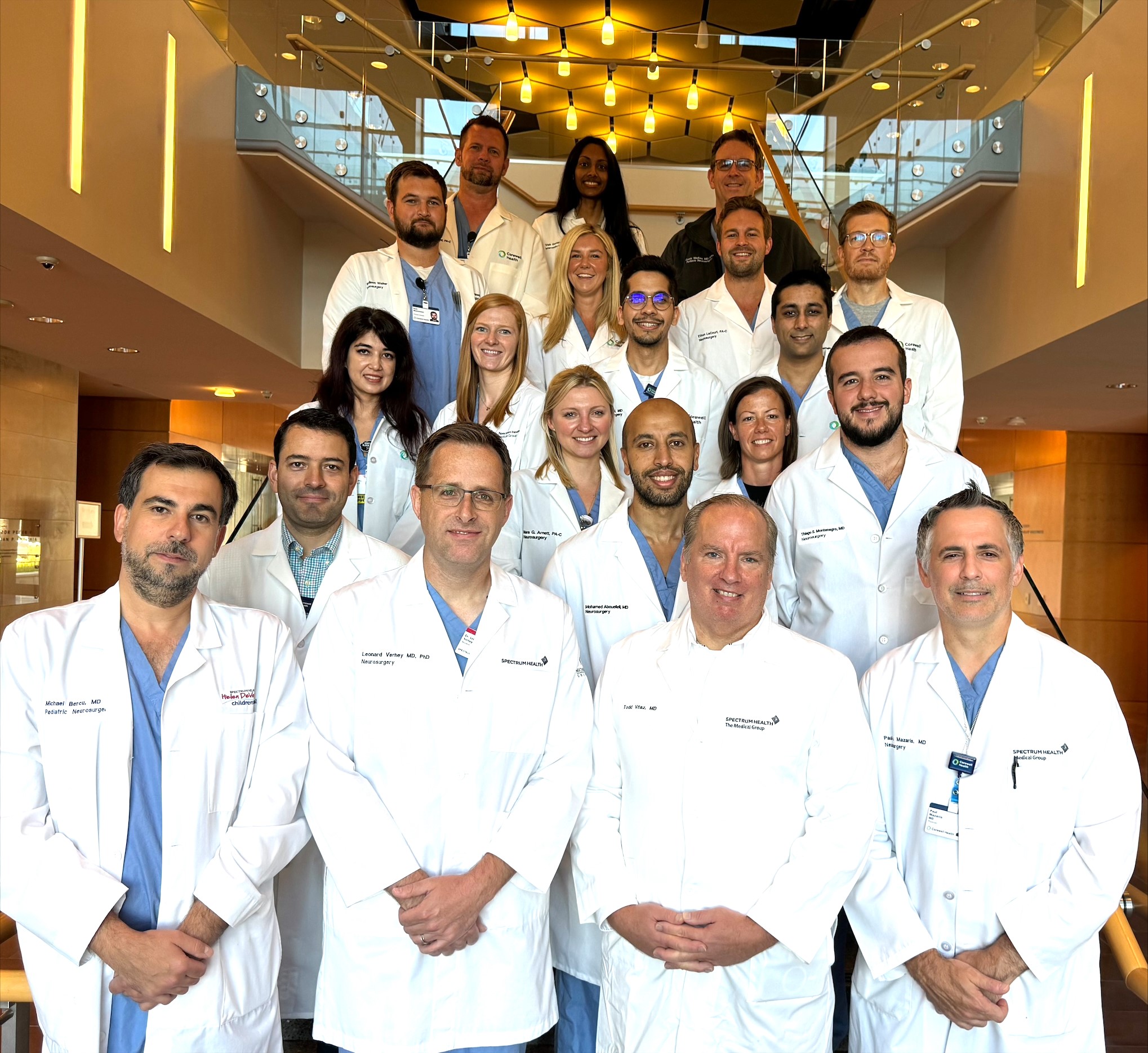
The department of neurological surgery consists of 17 senior surgeons. These surgeons are sub-specialized in the major neurosurgical fields, including neuro-oncology, functional, pediatric, vascular (open and endovascular), and spine. They are supported by 18 APPs and a large body of technical staff. Our hospitals are equipped with the latest neurosurgical technologies, advancing the training of our residents and providing the highest quality of care for our patients. These include: iMRI, hybrid angiographic suites, Leica and Zeiss operating microscopes, ROSA and Mazor robotic systems, Storz Neuroendoscopic system, Visualase LITT, NICO Myriad/Brain Path, O-arm, Starfix and Leksell stereotactic frames, Clearpoint system, StealthStation navigation systems, Artis Q biplane systems, Novalis Tx stereotactic radiosurgery system, focused ultrasound, and 3D exoscope system.

The department of neurological surgery is a subsidiary of the Corewell Health Department of Clinical Neurosciences, which incorporates neurology, neurosurgery, physical medicine and rehabilitation, neuropsychology, clinical psychology, and pain management, and has over 150 senior faculty and advanced practice providers. Several programs constitute the department – oncology, vascular, epilepsy, spine, movement disorder, neuromuscular, behavioral/cognitive, and immunological – bringing together an interdisciplinary team to manage conditions with the relevant expertise.

Program Aims

  • Teaching technical competency in clinical and surgical neuroscience skills
  • Inculcating the spirit of putting the patient’s need first by practicing evidence-based and ethical decision-making
  • Incorporating a culture of teaching and innovation
  • Committing to researching new age solutions to clinical problems through bedside to bench to bedside approach

The department of neurological surgery consists of 17 senior surgeons. These surgeons are sub-specialized in the major neurosurgical fields, including neuro-oncology, functional, pediatric, vascular (open and endovascular), and spine. They are supported by 18 APPs and a large body of technical staff. Our hospitals are equipped with the latest neurosurgical technologies, advancing the training of our residents and providing the highest quality of care for our patients. These include: iMRI, hybrid angiographic suites, Leica and Zeiss operating microscopes, ROSA and Mazor robotic systems, Storz Neuroendoscopic system, Visualase LITT, NICO Myriad/Brain Path, O-arm, Starfix and Leksell stereotactic frames, Clearpoint system, StealthStation navigation systems, Artis Q biplane systems, Novalis Tx stereotactic radiosurgery system, focused ultrasound, and 3D exoscope system.

The department of neurological surgery is a subsidiary of the Corewell Health Department of Clinical Neurosciences, which incorporates neurology, neurosurgery, physical medicine and rehabilitation, neuropsychology, clinical psychology, and pain management, and has over 150 senior faculty and advanced practice providers. Several programs constitute the department – oncology, vascular, epilepsy, spine, movement disorder, neuromuscular, behavioral/cognitive, and immunological – bringing together an interdisciplinary team to manage conditions with the relevant expertise.

Program Aims

  • Teaching technical competency in clinical and surgical neuroscience skills
  • Inculcating the spirit of putting the patient’s need first by practicing evidence-based and ethical decision-making
  • Incorporating a culture of teaching and innovation
  • Committing to researching new age solutions to clinical problems through bedside to bench to bedside approach


  • Corewell Health Grand Rapids Hospitals Butterworth Hospital - level 1 trauma center and comprehensive stroke center; over 700 beds, a neurocritical care unit, dedicated neuroangiography suites and operating facilities with state-of-the-art technical assets
  • Corewell Health Grand Rapids Hospitals Blodgett Hospital - site for the majority of elective spine surgery
  • Corewell Health Grand Rapids Hospitals Helen DeVos Children’s Hospital – site providing for the entire scope of pediatric neurosurgical procedures


The educational environment at Corewell Health in West Michigan provides sufficient exposure in all neurosurgical domains. Through its resources and commitment to excellence, the program provides the means by which high-caliber graduates may be recruited within the department to perpetuate a strong academic standard and clinical performance.

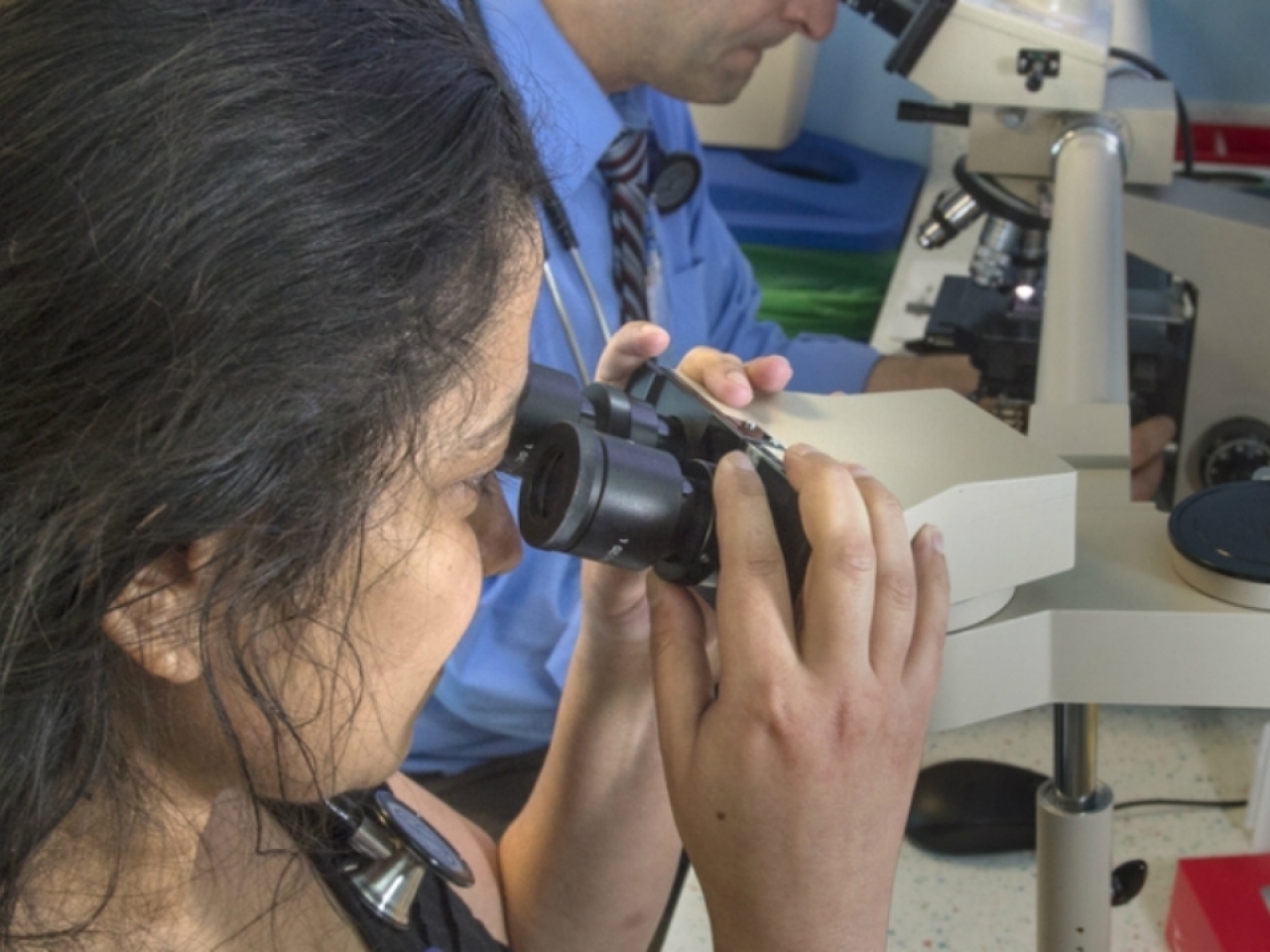
Furthermore, the residents have year-round access to various facilities such as animal labs for vascular anastomosis training, cadaver labs for spine and skull base procedures, and benchside training microscope to practice and improve their surgical skills.

Research is supported by the Corewell Health Research Institute and collaborations are established with several research enterprises, including Michigan State University, Van Andel Institute, and Grand Valley State University. Opportunities exist to establish clinical and translational research projects in collaboration within the Department of Clinical Neurosciences, as well as with faculty in these neighboring institutions. Departmental faculty are engaged in several clinical trials, government-supported projects, and graduate studies programs.
Neurological Surgery Residency

Didactics

There is a structured weekly didactic schedule that occurs during protected education time outside of clinical responsibilities and includes:

  • Primary didactic hour: Lecture/presentation by both residents and faculty
  • Secondary didactic hour: Case studies, neuroanatomy review, labs/workshops
  • 1st Wednesday of the month: Duty hours, case log, & resident concerns discussed
  • 1st Wednesday of the month: Morbidity and mortality discussions

Additional resident meetings:

  • Monthly journal clubs held at either faculty homes or restaurants
  • Monthly research/QI review meetings
  • Quarterly mentor meetings with respective faculty

Simulation and skills labs:

  • Skull base lab
  • Microvascular anastomosis rat lab
  • Endovascular lab
  • Cortical topography and temporal lobe anatomy lab
  • Spine anatomy/instrumentation lab

Through its collaboration with Michigan State University, the department of neurological surgery at Corewell Health in West Michigan provides multiple resources for residents and medical students to advance their knowledge and surgical skills.

The department offers a robust sub-internship for medical students interested in experiencing the full breadth of neurosurgical care and its various sub-specialties. For more information on this, please feel free to contact our program coordinator.

Additionally, faculty and residents also serve as advisors to the Neurosurgery Interest Group (NSIG) currently being run by medical students at Michigan State University. This collaboration provides medical students access to the various educational activities of the department including didactic sessions, labs, workshops, etc. as well as an opportunity to work closely with residents and faculty on various projects both research-based and otherwise. 

  • All candidates must possess U.S. work authorization or be eligible for J-1 status.
  • For DO applicants, we prefer USMLE Steps 1 and 2, but will accept COMLEX 1 and 2.

For more information, contact Tarra Geertman, program coordinator.

All visiting medical student applications must be submitted through the Visiting Student Learning Opportunities program (formerly known as VSAS). For more information on visiting medical student opportunities, please visit the Visiting Learner page.

Corewell Health in West Michigan provides a comprehensive and very competitive benefits package for our residents, staff, and their families. In addition, our program provides educational monies to support your ongoing education. Download our salary and benefits document to learn more.

From the program director

The Corewell Health-Grand Rapids/Michigan State University Neurological Surgery Residency program offers a premier training experience within a high-volume academic institute. Our neurosurgical training program offers comprehensive exposure to complex neurosurgical pathology across the full spectrum, in all disciplines of neurosurgery. Our program is built on the principle that exceptional neurosurgeons are trained through rigorous clinical experience, progressive operative autonomy, academic productivity, and strong mentorship. Our residents benefit from substantial operative volume beginning early in training, with graduated responsibility that prepares them for independent practice. The breadth and depth of our case volume, including complex cranial surgery, cerebrovascular and endovascular procedures, skull base surgery, neuro-oncology, spinal deformity and instrumentation, functional neurosurgery, pediatric neurosurgery, and high-acuity neurotrauma ensure that our residents develop both technical operative mastery and sound clinical acumen.

As a high-volume referral center, our institution manages advanced and challenging pathology drawn from a broad regional population. This provides residents with invaluable experience in treating rare and complex neurosurgical conditions while working alongside multidisciplinary teams dedicated to comprehensive, patient-centered care.  In addition to robust clinical training, we emphasize academic growth and innovation. Residents are encouraged to engage in meaningful research, quality improvement initiatives, and national presentations. Faculty mentorship is central to our mission; our faculty surgeons are deeply invested in resident education, professional development, and long-term career success, whether in academic neurosurgery, subspecialty fellowship training, or private practice.

We are committed to fostering a collegial, supportive, and mission-driven environment. Our goal is to graduate neurosurgeons who are technically excellent, intellectually sound, compassionate in their care, and prepared to lead in the neurosurgical landscape. We invite you to explore what makes our program distinctive and to consider joining a program dedicated to excellence in neurosurgical training. We look forward to learning more about your passion for neurosurgery and your future goals.

Sincerely,
Paul Mazaris, MD
Program Director, Neurological Surgery Residency
Corewell Health-Grand Rapids/Michigan State University
Our shared commitments

Explore West Michigan

View of Downtown Grand Rapids

Neurological surgery residency bios

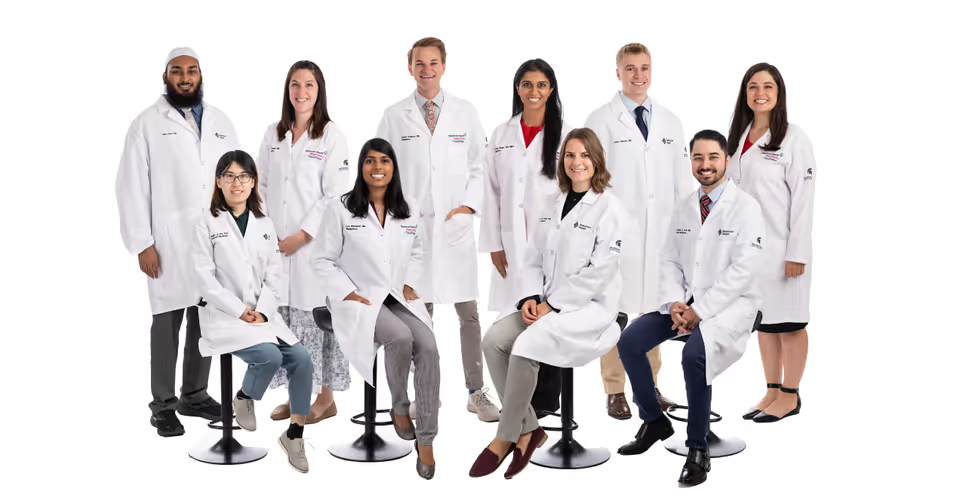
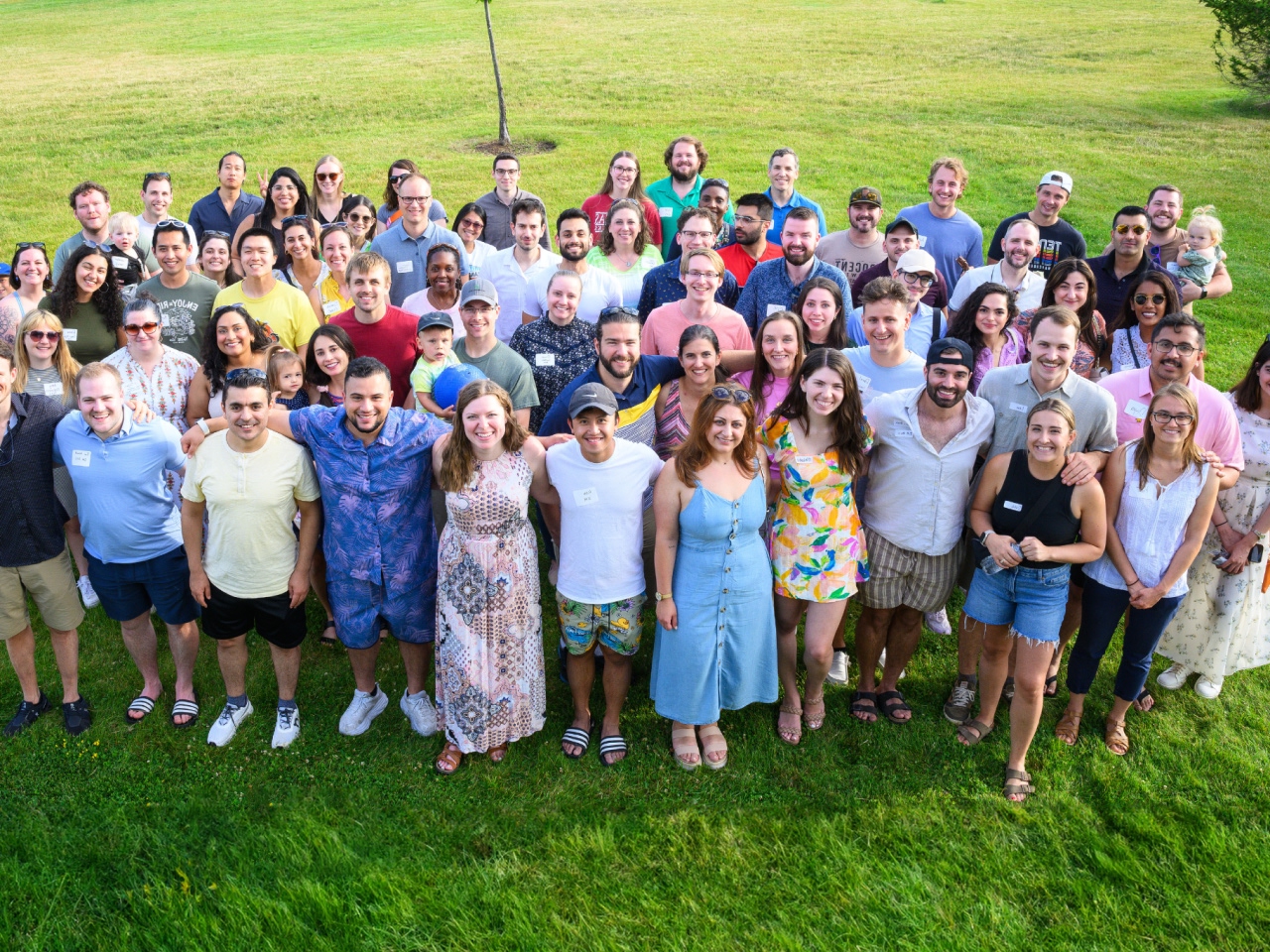
Resident group photo

Program director

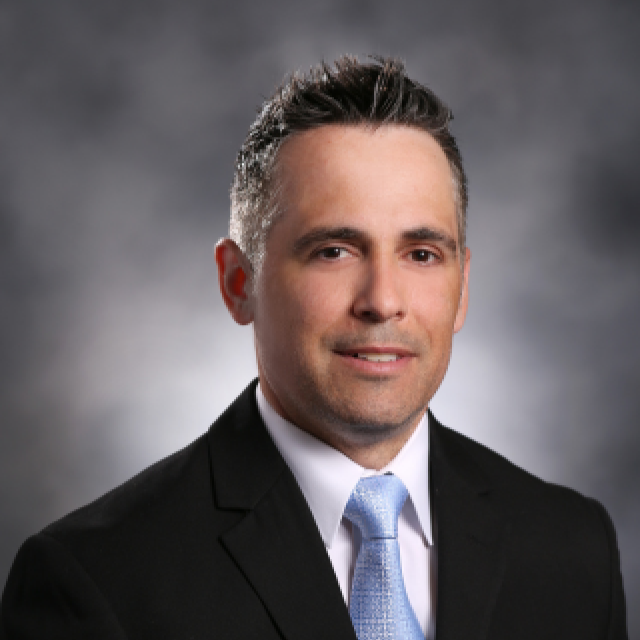
Portrait of Paul Mazaris, MD
Paul Mazaris, MD

Neurosurgeon

  • Specialty: Cerebrovascular neurosurgery
  • Fellowship: Hartford Hospital
  • Residency: Henry Ford Hospital Health System
Portrait of Paul Mazaris, MD
Paul Mazaris, MD

Neurosurgeon

  • Specialty: Cerebrovascular neurosurgery
  • Fellowship: Hartford Hospital
  • Residency: Henry Ford Hospital Health System
Portrait of Paul Mazaris, MD
Paul Mazaris, MD

Neurosurgeon

  • Specialty: Cerebrovascular neurosurgery
  • Fellowship: Hartford Hospital
  • Residency: Henry Ford Hospital Health System
Portrait of Paul Mazaris, MD
Paul Mazaris, MD

Neurosurgeon

  • Specialty: Cerebrovascular neurosurgery
  • Fellowship: Hartford Hospital
  • Residency: Henry Ford Hospital Health System

Associate program director

Portrait of M. Michael Bercu, MD
M. Michael Bercu, MD

Pediatric neurosurgeon

  • Specialty: Pediatric and functional neurosurgery
  • Fellowship: New York University Medical Center (dual fellowships in pediatrics and functional neurosurgery)
  • Residency: Sourasky Medical Center
Portrait of M. Michael Bercu, MD
M. Michael Bercu, MD

Pediatric neurosurgeon

  • Specialty: Pediatric and functional neurosurgery
  • Fellowship: New York University Medical Center (dual fellowships in pediatrics and functional neurosurgery)
  • Residency: Sourasky Medical Center
Portrait of M. Michael Bercu, MD
M. Michael Bercu, MD

Pediatric neurosurgeon

  • Specialty: Pediatric and functional neurosurgery
  • Fellowship: New York University Medical Center (dual fellowships in pediatrics and functional neurosurgery)
  • Residency: Sourasky Medical Center
Portrait of M. Michael Bercu, MD
M. Michael Bercu, MD

Pediatric neurosurgeon

  • Specialty: Pediatric and functional neurosurgery
  • Fellowship: New York University Medical Center (dual fellowships in pediatrics and functional neurosurgery)
  • Residency: Sourasky Medical Center

Core faculty

Portrait of Hayden Boyce, MD
Hayden Boyce, MD

Neurosurgeon

  • Specialty: Deep brain stimulation and pain
  • Residency: Henry Ford Hospital Health System
Portrait of Moises Googe, DO
Moises Googe, DO

Neurosurgeon

  • Specialty: Spine
  • Residency: Midwestern University, Advocate BroMenn Medical Center
Portrait of Casey Madura, MD
Casey Madura, MD

Pediatric neurosurgeon

  • Specialty: Pediatric neurosurgery
  • Fellowship: University of Alabama at Birmingham
  • Residency: University of Wisconsin Hospital and Clinics
Portrait of Sanjay Patra, MD
Sanjay Patra, MD

Neurosurgeon

  • Specialty: Epilepsy
  • Residency: Henry Ford Hospital Health System
Portrait of Todd Vitaz, MD
Todd Vitaz, MD

Neurosurgeon

  • Specialty: Tumors of the brain, skull base and spine
  • Fellowship: Memorial Sloan-Kettering Cancer Center
  • Residency: University of Louisville
Portrait of Hayden Boyce, MD
Hayden Boyce, MD

Neurosurgeon

  • Specialty: Deep brain stimulation and pain
  • Residency: Henry Ford Hospital Health System
Portrait of Moises Googe, DO
Moises Googe, DO

Neurosurgeon

  • Specialty: Spine
  • Residency: Midwestern University, Advocate BroMenn Medical Center
Portrait of Casey Madura, MD
Casey Madura, MD

Pediatric neurosurgeon

  • Specialty: Pediatric neurosurgery
  • Fellowship: University of Alabama at Birmingham
  • Residency: University of Wisconsin Hospital and Clinics
Portrait of Sanjay Patra, MD
Sanjay Patra, MD

Neurosurgeon

  • Specialty: Epilepsy
  • Residency: Henry Ford Hospital Health System
Portrait of Todd Vitaz, MD
Todd Vitaz, MD

Neurosurgeon

  • Specialty: Tumors of the brain, skull base and spine
  • Fellowship: Memorial Sloan-Kettering Cancer Center
  • Residency: University of Louisville
Portrait of Hayden Boyce, MD
Hayden Boyce, MD

Neurosurgeon

  • Specialty: Deep brain stimulation and pain
  • Residency: Henry Ford Hospital Health System
Portrait of Moises Googe, DO
Moises Googe, DO

Neurosurgeon

  • Specialty: Spine
  • Residency: Midwestern University, Advocate BroMenn Medical Center
Portrait of Casey Madura, MD
Casey Madura, MD

Pediatric neurosurgeon

  • Specialty: Pediatric neurosurgery
  • Fellowship: University of Alabama at Birmingham
  • Residency: University of Wisconsin Hospital and Clinics
Portrait of Sanjay Patra, MD
Sanjay Patra, MD

Neurosurgeon

  • Specialty: Epilepsy
  • Residency: Henry Ford Hospital Health System
Portrait of Todd Vitaz, MD
Todd Vitaz, MD

Neurosurgeon

  • Specialty: Tumors of the brain, skull base and spine
  • Fellowship: Memorial Sloan-Kettering Cancer Center
  • Residency: University of Louisville
Portrait of Hayden Boyce, MD
Hayden Boyce, MD

Neurosurgeon

  • Specialty: Deep brain stimulation and pain
  • Residency: Henry Ford Hospital Health System
Portrait of Moises Googe, DO
Moises Googe, DO

Neurosurgeon

  • Specialty: Spine
  • Residency: Midwestern University, Advocate BroMenn Medical Center
Portrait of Casey Madura, MD
Casey Madura, MD

Pediatric neurosurgeon

  • Specialty: Pediatric neurosurgery
  • Fellowship: University of Alabama at Birmingham
  • Residency: University of Wisconsin Hospital and Clinics
Portrait of Sanjay Patra, MD
Sanjay Patra, MD

Neurosurgeon

  • Specialty: Epilepsy
  • Residency: Henry Ford Hospital Health System
Portrait of Todd Vitaz, MD
Todd Vitaz, MD

Neurosurgeon

  • Specialty: Tumors of the brain, skull base and spine
  • Fellowship: Memorial Sloan-Kettering Cancer Center
  • Residency: University of Louisville

PGY 1

Portrait of Andrew DeGroot, MD
Andrew DeGroot, MD

Medical College of Wisconsin

Portrait of Andrew DeGroot, MD
Andrew DeGroot, MD

Medical College of Wisconsin

Portrait of Andrew DeGroot, MD
Andrew DeGroot, MD

Medical College of Wisconsin

Portrait of Andrew DeGroot, MD
Andrew DeGroot, MD

Medical College of Wisconsin

PGY 2

Portrait of Jeffrey Farooq, MD
Jeffrey Farooq, MD

USF Health Morsani


Portrait of Jeffrey Farooq, MD
Jeffrey Farooq, MD

USF Health Morsani


Portrait of Jeffrey Farooq, MD
Jeffrey Farooq, MD

USF Health Morsani


Portrait of Jeffrey Farooq, MD
Jeffrey Farooq, MD

USF Health Morsani


PGY 3

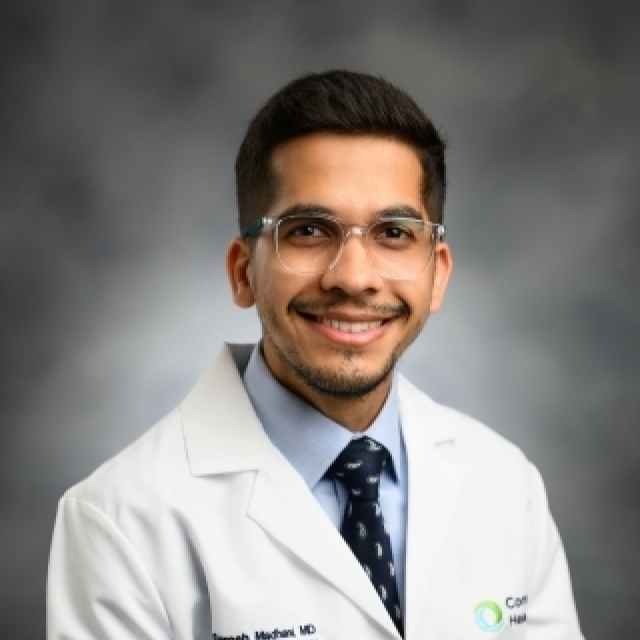
Portrait of Sarosh Irfan Madhani, MBBS
Sarosh Irfan Madhani, MBBS

Aga Khan Medical College


Portrait of Sarosh Irfan Madhani, MBBS
Sarosh Irfan Madhani, MBBS

Aga Khan Medical College


Portrait of Sarosh Irfan Madhani, MBBS
Sarosh Irfan Madhani, MBBS

Aga Khan Medical College


Portrait of Sarosh Irfan Madhani, MBBS
Sarosh Irfan Madhani, MBBS

Aga Khan Medical College


PGY 4

Portrait of Nina Shank, MD
Nina Shank, MD

Tulane University


Portrait of Nina Shank, MD
Nina Shank, MD

Tulane University


Portrait of Nina Shank, MD
Nina Shank, MD

Tulane University


Portrait of Nina Shank, MD
Nina Shank, MD

Tulane University


PGY 5

Portrait of Thiago Scharth Montenegro, MD
Thiago Scharth Montenegro, MD

Universidade Federal do Estado do Rio de Janeiro

Portrait of Thiago Scharth Montenegro, MD
Thiago Scharth Montenegro, MD

Universidade Federal do Estado do Rio de Janeiro

Portrait of Thiago Scharth Montenegro, MD
Thiago Scharth Montenegro, MD

Universidade Federal do Estado do Rio de Janeiro

Portrait of Thiago Scharth Montenegro, MD
Thiago Scharth Montenegro, MD

Universidade Federal do Estado do Rio de Janeiro

PGY 6

Portrait of Mohamed Abouelleil, MD
Mohamed Abouelleil, MD

University of Illinois—Rockford

Portrait of Mohamed Abouelleil, MD
Mohamed Abouelleil, MD

University of Illinois—Rockford

Portrait of Mohamed Abouelleil, MD
Mohamed Abouelleil, MD

University of Illinois—Rockford

Portrait of Mohamed Abouelleil, MD
Mohamed Abouelleil, MD

University of Illinois—Rockford

PGY 7

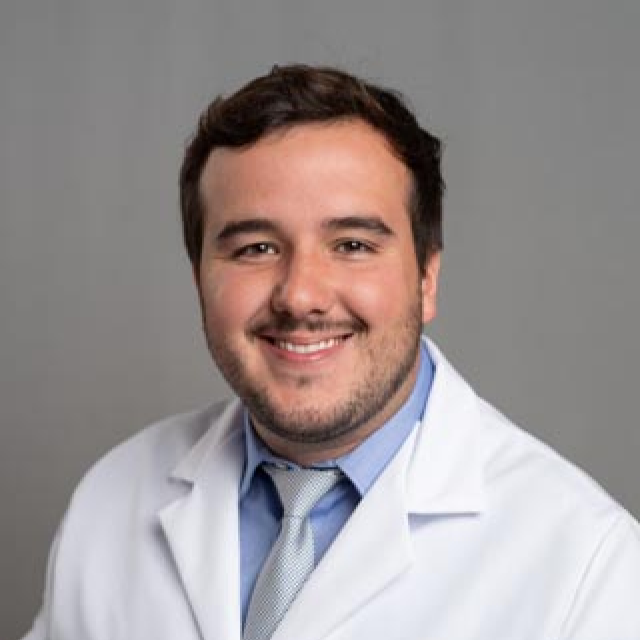
Portrait of Andres Restrepo Orozco, MD
Andres Restrepo Orozco, MD

Universidad de Antioquia

Portrait of Andres Restrepo Orozco, MD
Andres Restrepo Orozco, MD

Universidad de Antioquia

Portrait of Andres Restrepo Orozco, MD
Andres Restrepo Orozco, MD

Universidad de Antioquia

Portrait of Andres Restrepo Orozco, MD
Andres Restrepo Orozco, MD

Universidad de Antioquia

Ready to apply?

Review the “Application Requirements” tab on the program page to learn more about the application process.