

Interventional Cardiology Fellowship at William Beaumont University Hospital



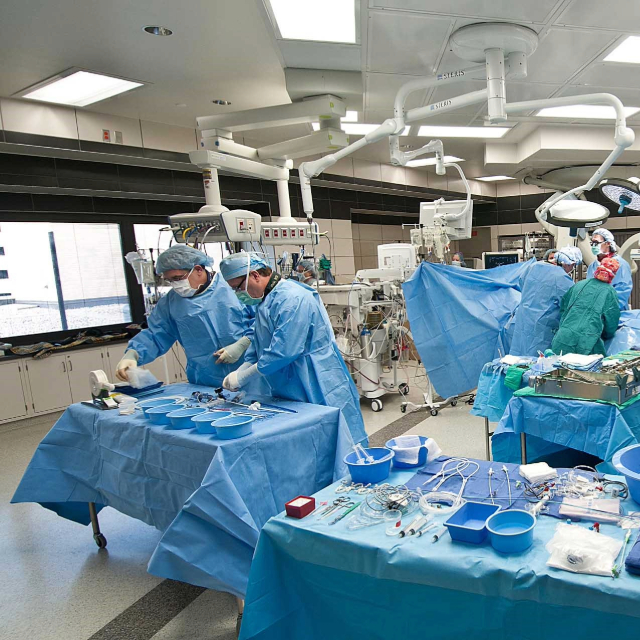
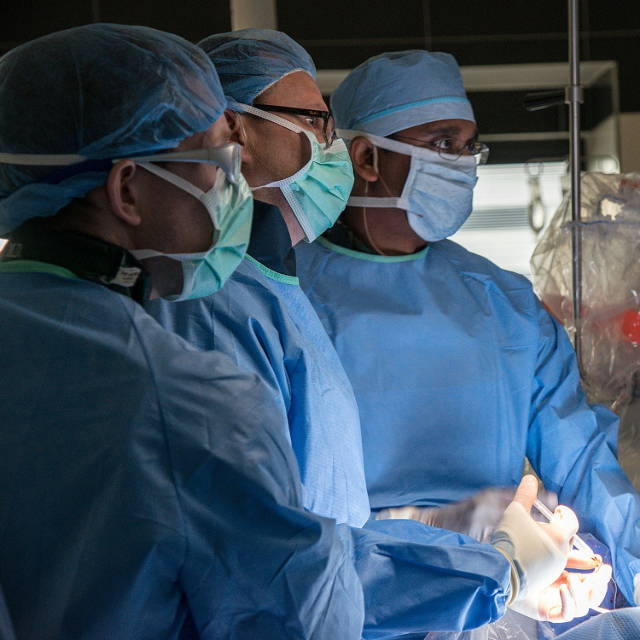
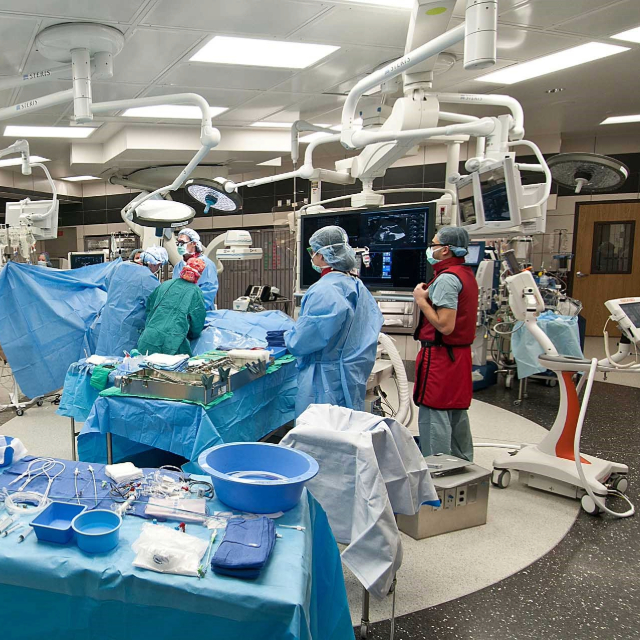
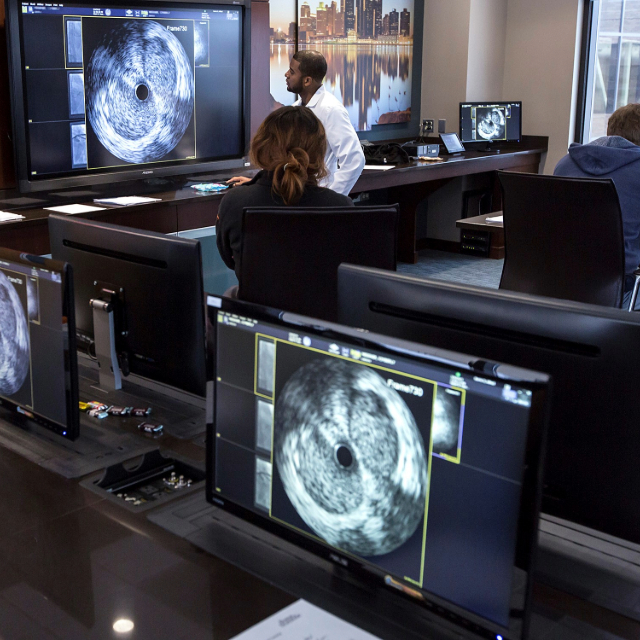
The interventional cardiology fellowship at Corewell Health William Beaumont University Hospital in Royal Oak, Michigan is a one-year ACGME-accredited program. Our goal is to prepare our fellows for a leadership role in academic and clinical cardiology. Interventional fellows are exposed to a wide spectrum of cardiovascular conditions and an array of clinical research opportunities. Our goal is to provide fellows with comprehensive exposure to interventional approaches and devices to manage complex coronary artery disease. By the end of the fellowship, fellows are expected to be proficient in a wide range of coronary interventional techniques, as well as pre-procedure evaluation and post-procedure patient follow up. Fellows will also have the opportunity to participate in clinical research and device studies.
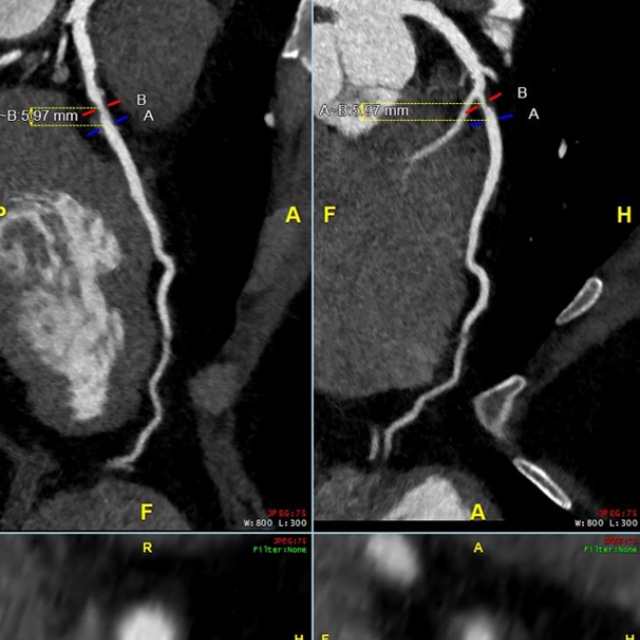
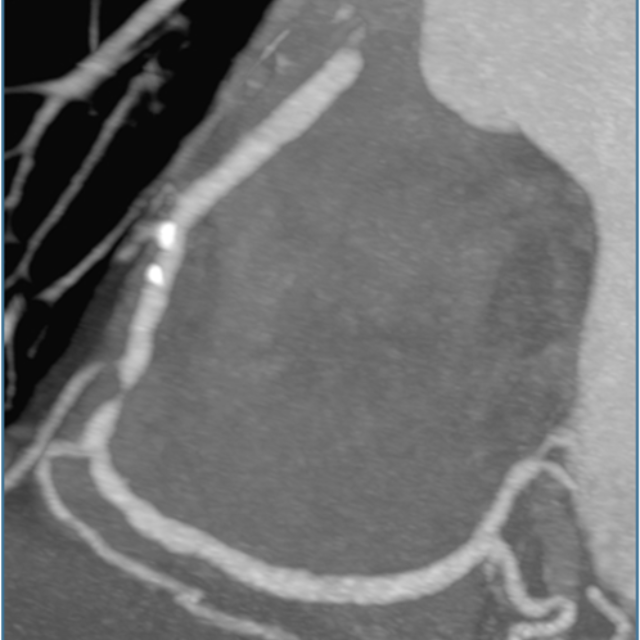
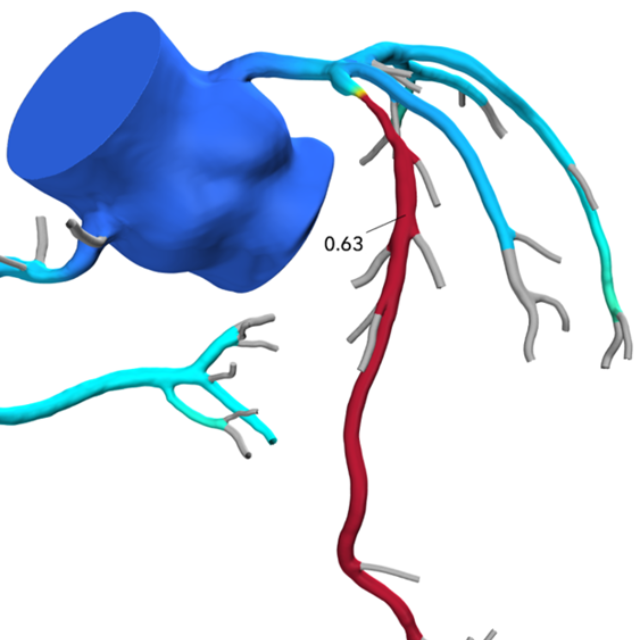
Beginning in 2026, interventional cardiology fellows will be offered formal training in coronary CTA, relying on structured CT reading sessions, lectures, and imaging case files to achieve Level II cardiac CT proficiency and qualification for the cardiac CT boards upon completion of interventional training. As our field shifts away from traditional stress imaging and towards coronary CTA as the preferred non-invasive method of assessment of CAD, there are emerging needs for interventional cardiologists to master coronary CTA for anatomic assessment of CAD, physiologic assessment with FFRCT and myocardium at-risk, morphologic assessment of plaque burden and characterization, and advanced planning of PCI for calcified plaque, bifurcation lesions, and CTO. Since ad-hoc PCI has become embedded in interventional practice, PCI planning with CTA allows precise equipment selection; reduces procedural time and radiation exposure to the patient and staff; allows the best opportunity for risk assessment for the patient and family, even before the patient goes to the cardiac catheterization laboratory. The Interventional Cardiology Fellowship Program at William Beaumont University Hospital is the first to offer formal cardiac CT training as part of its curriculum.
Mission
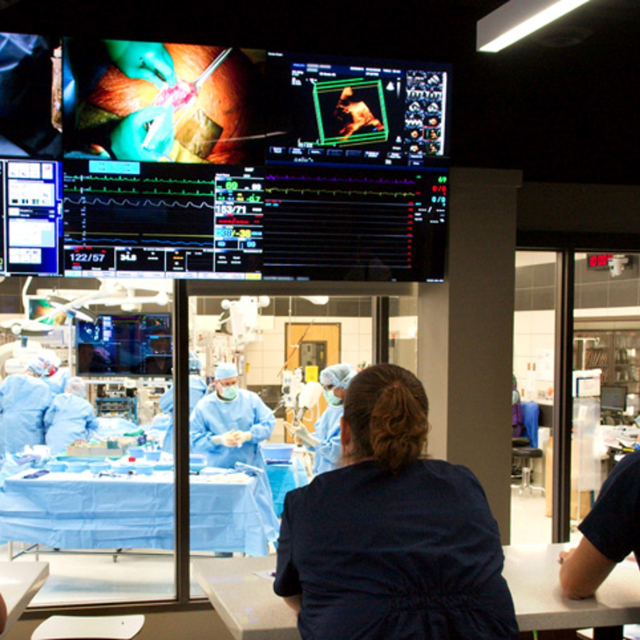
Our mission is to train interventional cardiology fellows to provide compassionate, extraordinary care to a diverse population. The program is designed to provide a comprehensive learning experience that prepares physicians to meet the demands of contemporary interventional cardiology best practices in urban and suburban hospitals. Fellows learn to provide patient- and-family-centered care, contributing to the health and well-being of patients throughout the community.
Aims
- To prepare physicians to be competent to manage all aspects of the practice of interventional cardiology by teaching the skills, knowledge and humanistic qualities that constitute the foundations of interventional cardiology and best practice
- To responsibly diagnose, treat, manage, and provide education to patients related to interventional cardiology within the communities we serve
- To provide progressive responsibility for and experience to enable effective management of clinical problems in a busy tertiary hospital and outpatient setting
- To prepare graduates to practice interventional cardiology safely and independently, providing patient- and family-centered care
To provide graduates with expertise in coronary CTA
- To promote lifelong learning of new skills and knowledge by teaching how to assess and interpret medical evidence in the literature, and apply it to a single patient or population during their careers
- To prepare and assist fellows in pursuit of their career goal, including offerings in advanced training in structural heart diseases and CHIP, if so desired
- To develop physicians to monitor their own physical and mental well-being
Faculty
Associate program director
Contact us
Marina Bojaj
Program manager
248.898.4198
The interventional cardiology fellowship at the William Beaumont University Hospital is a participant in ERAS and in the Match. The program’s NRMP code is 1978152S0.