



Follow our program on Instagram



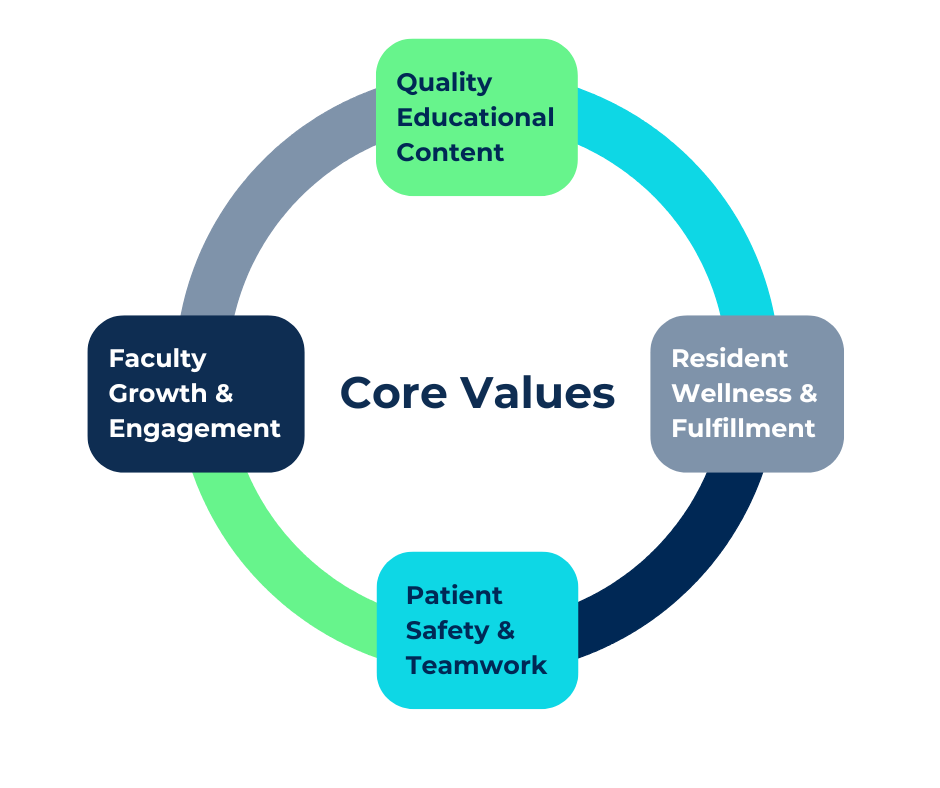
The Corewell Health – Grand Rapids/Michigan State University Neurology Residency program offers a variety of inpatient and outpatient experiences, providing a robust and diverse training environment for resident neurologists, preparing them well to go on to fellowship opportunities or general neurology practice. The overall goal of our program is to prepare individuals to be competent and compassionate clinical neurologists. This is accomplished through an educational plan designed to provide increasing responsibility in patient care over the four years of training so that residents reach a level of competence in the independent care of patients with neurological disease by the end of their training. All training is accomplished in an environment that maximizes resident education, patient safety, and the well-being of the resident physicians.
Here are the top 5 things we want you to know about our neurology residency program
- We recruit six residents per year into an ACGME-accredited four-year categorical program with diverse inpatient and outpatient experiences.
- Our PGY1 Boot Camp sets the stage for success, while increasing clinical responsibility throughout training helps residents grow confidently into independent neurologists.
- Our PGY2–4 rotations follow an “X+Y” model, with ambulatory blocks that include residency continuity clinics; our rotation system mirrors current ‘real world’ trends in inpatient and outpatient neurologic care.
- Educational conferences —including noon reports, a protected afternoon of didactics, and subspecialty conferences—deliver a rich and engaging experience, with our program’s average in-service exam scores consistently landing in the top 15% nationally.
- Resident fulfillment and well-being are central to our culture, supported by purposeful wellness initiatives and schedules that promote autonomy and work-education-life balance.
Our program, your future
Our neurology residency is a four-year (categorical) program with a balanced mix of outpatient and inpatient neurological experiences. Read our program aims.
Our academic year is based on 13 four-week blocks (July 1 - June 30). PGY2-4 rotations are organized under the principles of an "X+Y" model which separates weeks with continuity clinic into separate ambulatory rotations that are repeated longitudinally throughout the year. Ambulatory ("Y") rotations include the resident’s continuity clinic, and additional outpatient experiences.
A special 4-week neurology boot camp dedicated to learning neuroanatomy, neurological examination techniques, concepts of neurological localization, and basics of neurology will occur during the PGY1 year.
Overnight hours at Butterworth Hospital are covered by a night-float resident in a manner that assures patient safety and minimizes resident fatigue. Night-float assignments are never longer than two weeks at a time. There is no '24-hour' call at any time in the program. Neurology residents do not cover Blodgett Hospital overnight.
Our neurology residency is a four-year (categorical) program with a balanced mix of outpatient and inpatient neurological experiences. Read our program aims.
Our academic year is based on 13 four-week blocks (July 1 - June 30). PGY2-4 rotations are organized under the principles of an "X+Y" model which separates weeks with continuity clinic into separate ambulatory rotations that are repeated longitudinally throughout the year. Ambulatory ("Y") rotations include the resident’s continuity clinic, and additional outpatient experiences.
A special 4-week neurology boot camp dedicated to learning neuroanatomy, neurological examination techniques, concepts of neurological localization, and basics of neurology will occur during the PGY1 year.
Overnight hours at Butterworth Hospital are covered by a night-float resident in a manner that assures patient safety and minimizes resident fatigue. Night-float assignments are never longer than two weeks at a time. There is no '24-hour' call at any time in the program. Neurology residents do not cover Blodgett Hospital overnight.
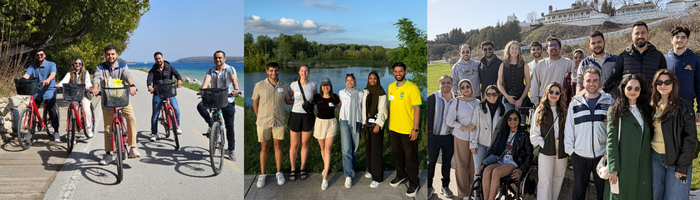
Residency years are short, but the days can be long. There are no better people to spend your training years with than our Corewell Health – Grand Rapids/Michigan State University Neurology Residency family! Resident wellness is key and our program is dedicated to maintaining work/life balance and expressing appreciation for our residents with various events and opportunities throughout the academic year.
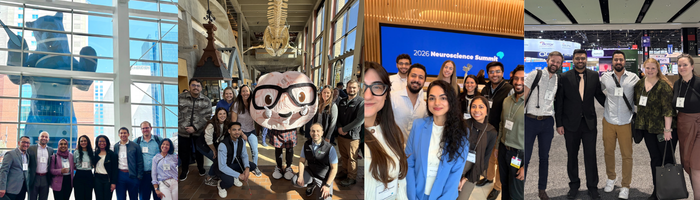
- Summer welcome picnic, winter holiday party, resident appreciation events
- Spring/fall resident retreats
- Peer mentorship program
- Wellness didactics sessions
- Conferences: We are proud to support and cheer each other on during research presentations at local, regional, and national conferences!
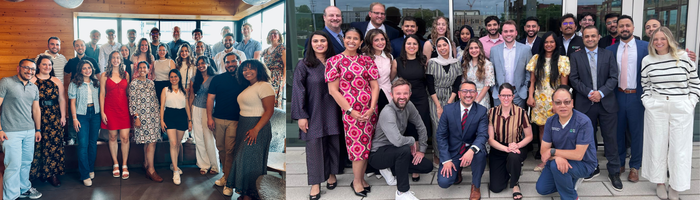
With so many great local restaurants and venues, we are committed to supporting small businesses when providing lunches for program meetings, lectures, and events.
From the program director
Do you love Neurology? Do you want to play an active role in shaping your own education? Are you looking for broad clinical exposure, meaningful mentorship, and a supportive community of colleagues and teachers?
If so, I invite you to consider the Corewell Health – Grand Rapids/Michigan State University Neurology Residency Program.
We are an evolving program. As we approach the graduation of our tenth class of residents, we remain committed to continuous improvement. Resident feedback is not simply welcomed – it helps shape our curriculum, educational experiences, and program culture. When applicants ask what qualities we value most, our answer is simple: we seek residents who are curious, engaged, collaborative, and invested in their own growth. In return, they join a faculty deeply committed to teaching, mentorship, and innovation in neurology education.
We are a comprehensive program. Our residents train across the full spectrum of neurology, learning from general neurologists, neurohospitalists, and subspecialists in vascular neurology, endovascular intervention, neurocritical care, epilepsy, headache medicine, movement disorders, neuroimmunology, cognitive neurology, and neuromuscular medicine. Through a thoughtfully designed curriculum and progressive clinical responsibility, residents develop the knowledge, skills, and confidence needed for success in fellowship or independent practice.
We are a destination program. As a major referral center for West Michigan and beyond, we care for patients with both common neurological disorders and rare, complex diseases. Residents gain experience managing everything from migraine, stroke, and peripheral neuropathy to uncommon movement disorders, advanced neuromuscular diseases, and medically refractory epilepsy. Our epilepsy surgery and movement disorders programs provide exposure to advanced therapies, while our multidisciplinary clinics bring together experts caring for patients with ALS, Huntington disease, Parkinson disease, dementia, and other complex neurological conditions.
We are an academically driven program. Education is at the heart of what we do. Residents benefit from approximately eight hours of dedicated educational programming each week, including protected didactic time, noon reports, neuroradiology conferences, EEG conferences, EMG conferences, board review sessions, journal club, simulation experiences, and subspecialty teaching conferences led by engaged faculty. Our month long PGY-1 Neurology Boot Camp provides a strong foundation in neurological examination, localization, and clinical reasoning, while simulation-based learning and a structured curriculum help residents develop confidence in managing complex neurological emergencies and challenging clinical scenarios. Residents are also encouraged to participate in research, quality improvement, and medical education initiatives, contributing to a culture of academic curiosity, lifelong learning, and continuous improvement.
We are a supportive program. Our residents and faculty foster a culture of teamwork, respect, and shared success. We believe that outstanding neurologists are developed not only through clinical excellence, but also through resilience, well-being, and meaningful professional relationships. Through mentorship, peer support, wellness initiatives, resident retreats, and intentional resilience-building experiences, we help residents develop the skills needed to thrive throughout a long and rewarding career. We celebrate one another’s successes, support each other through challenges, and are committed to helping every resident reach their full potential.
Our graduates have successfully pursued careers in academic and community neurology, as well as fellowship training across a wide range of neurological subspecialties. Whether your future includes fellowship, academic medicine, or community practice, we are committed to helping you achieve your goals.
Neurology is an extraordinary field, and there has never been a more exciting time to be a neurologist. We invite you to explore what makes our program special and consider joining us as we train the next generation of compassionate, skilled, and innovative neurologists.
We are truly building the future here.
Shan E Abbas, MD FAES
Neurologist & Epileptologist, Corewell Health West
Program Director, Corewell Health – Grand Rapids/MSU Neurology Residency Program
Associate Program Director,Corewell Health – Grand Rapids/MSU Epilepsy Fellowship Program
Medical Director, Faculty Development, Office of Medical Education
Clinical Associate Professor, MSU College of Human Medicine
Our shared commitments
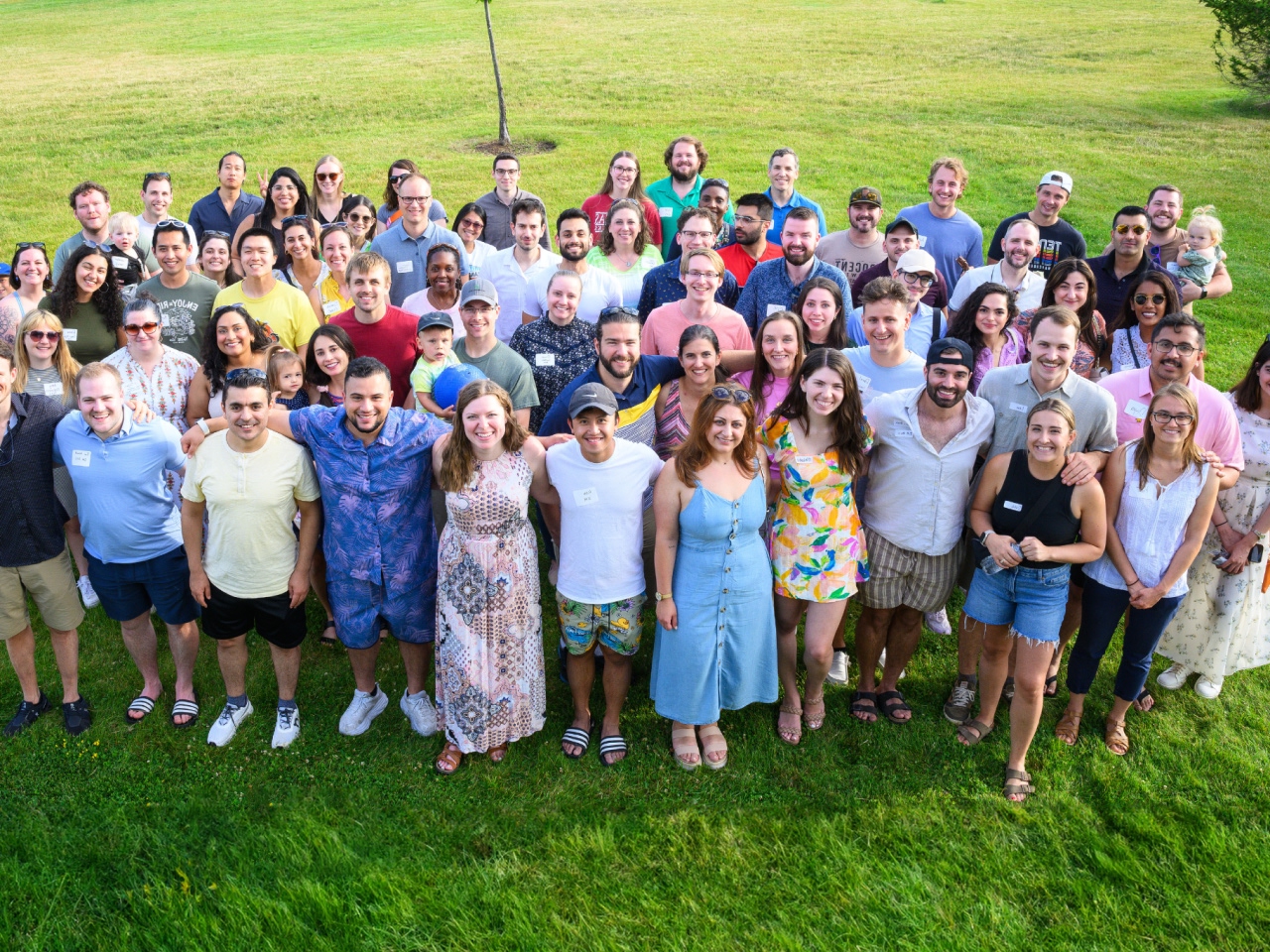
Unity & Belonging
Discover how we foster unity and belonging in Graduate Medical Education at Corewell Health.
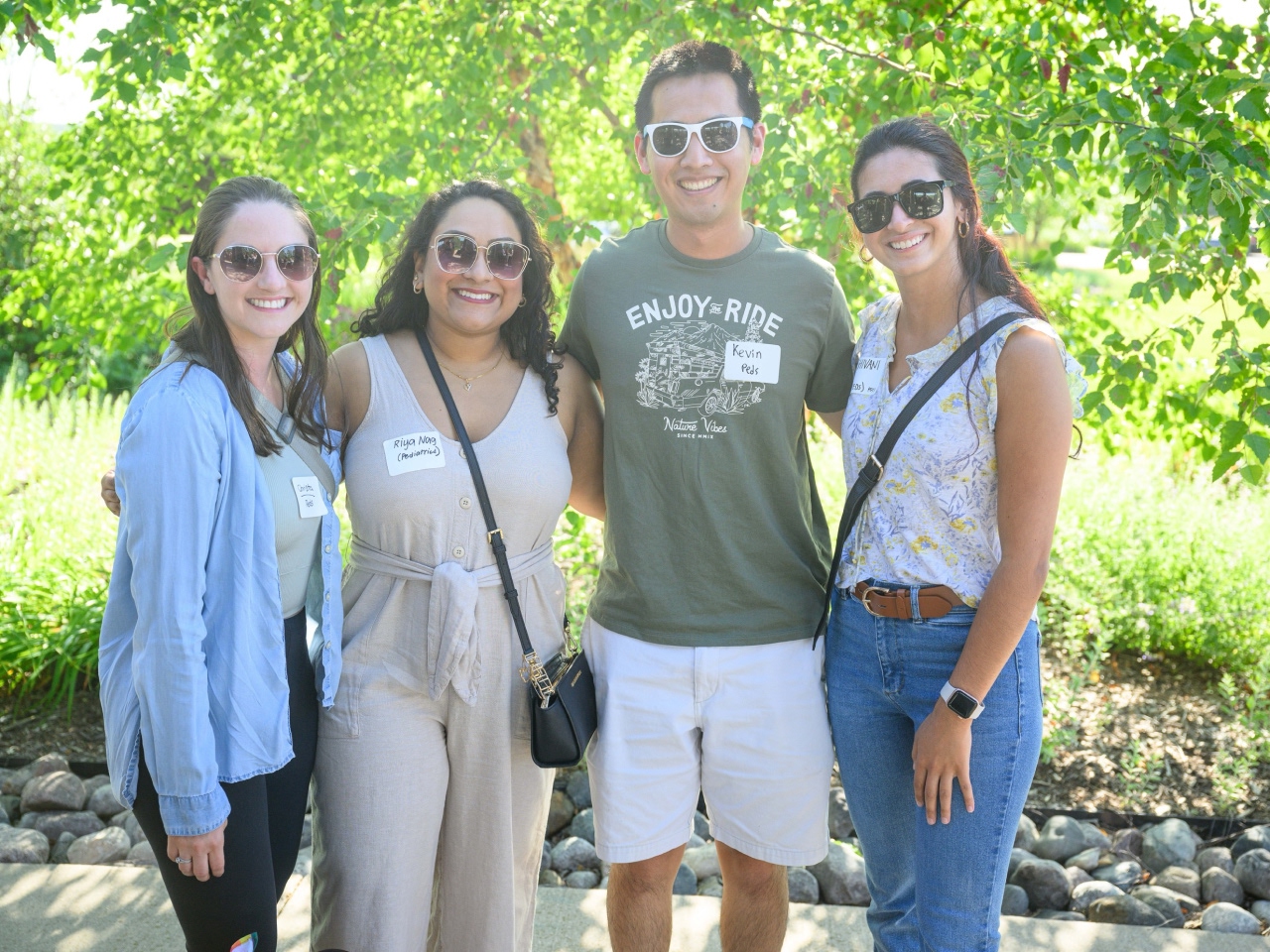
Resident and Fellow Wellness
Learn more about our commitment to the holistic wellness of our residents and fellows.
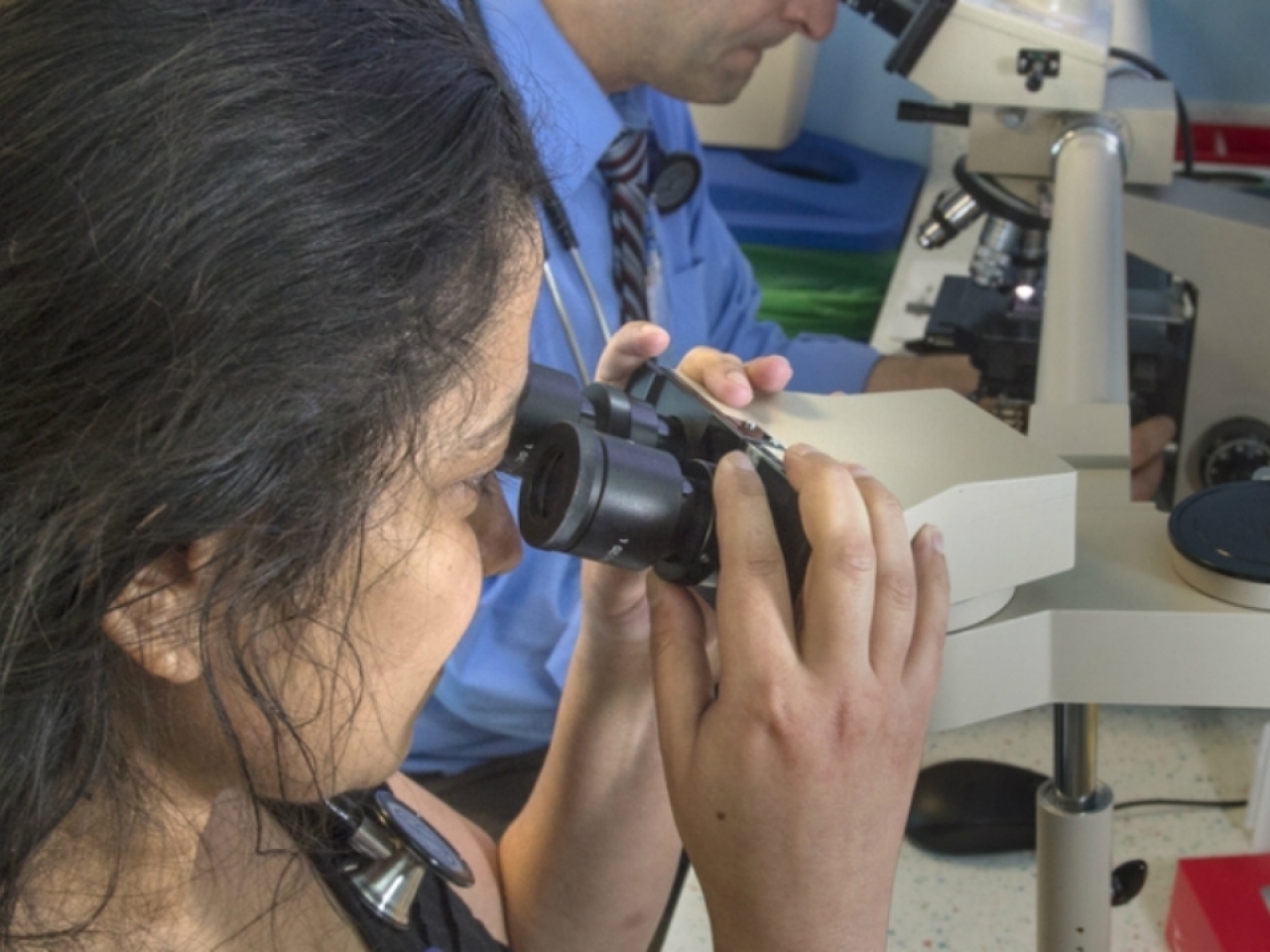
Scholarly Activity Support
Clinical research is paramount in the discovery of new treatments, therapies, and medicine.
Unity & Belonging
Discover how we foster unity and belonging in Graduate Medical Education at Corewell Health.
Resident and Fellow Wellness
Learn more about our commitment to the holistic wellness of our residents and fellows.
Scholarly Activity Support
Clinical research is paramount in the discovery of new treatments, therapies, and medicine.
Explore West Michigan
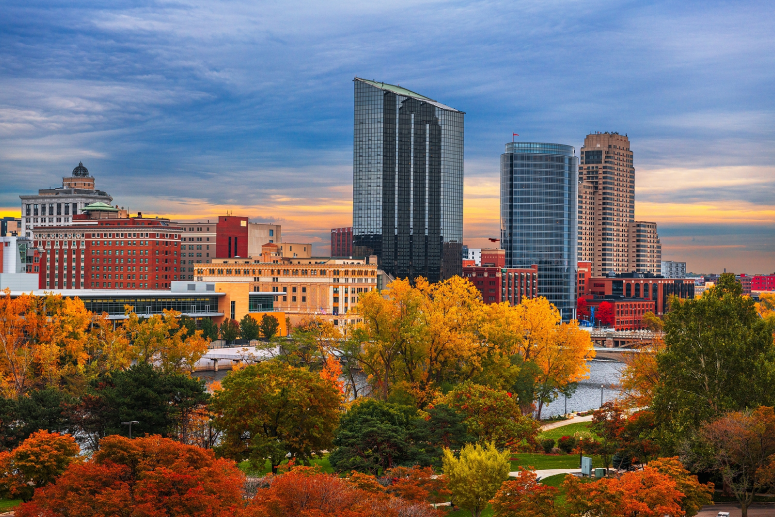
Food, entertainment, and shopping
Outdoors and sustainability
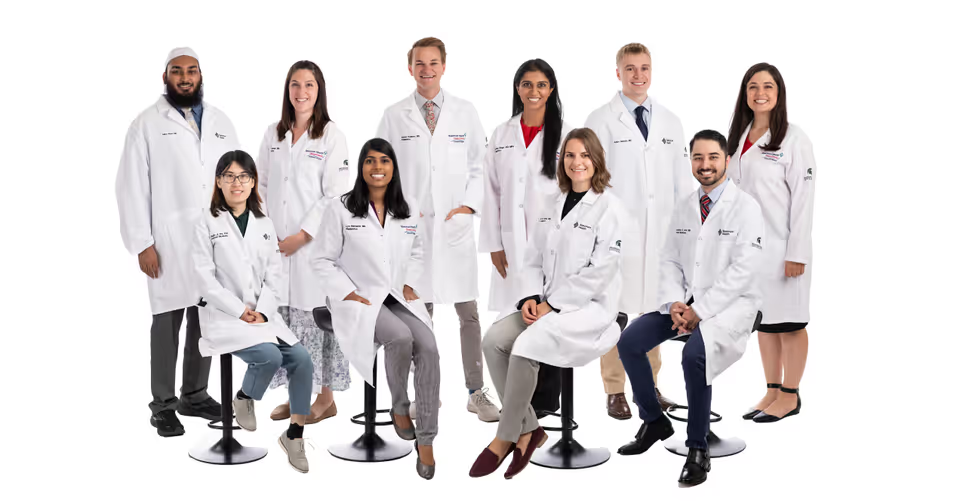
Program director
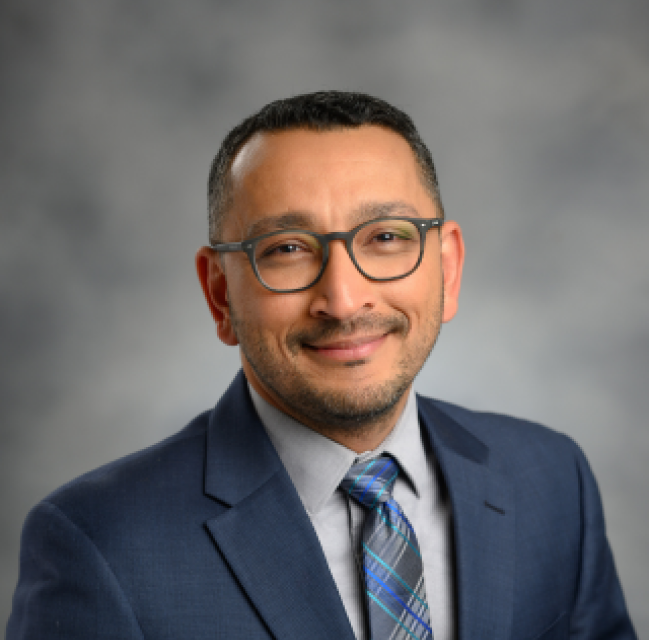
Shan Abbas, MD
Neurologist/epileptologist
- Specialty: Epilepsy
- Fellowship: Vanderbilt University Medical Center
- Residency: University of Toledo Medical Center
Shan Abbas, MD
Neurologist/epileptologist
- Specialty: Epilepsy
- Fellowship: Vanderbilt University Medical Center
- Residency: University of Toledo Medical Center
Shan Abbas, MD
Neurologist/epileptologist
- Specialty: Epilepsy
- Fellowship: Vanderbilt University Medical Center
- Residency: University of Toledo Medical Center
Shan Abbas, MD
Neurologist/epileptologist
- Specialty: Epilepsy
- Fellowship: Vanderbilt University Medical Center
- Residency: University of Toledo Medical Center
Associate program directors
.png)
Michelle DeJesus Brazitis, MD
Neurohospitalist
- Specialty: Neurohospitalist
- Fellowship: Georgia Health Science University
- Residency: St. Elizabeth Health Center – Youngstown
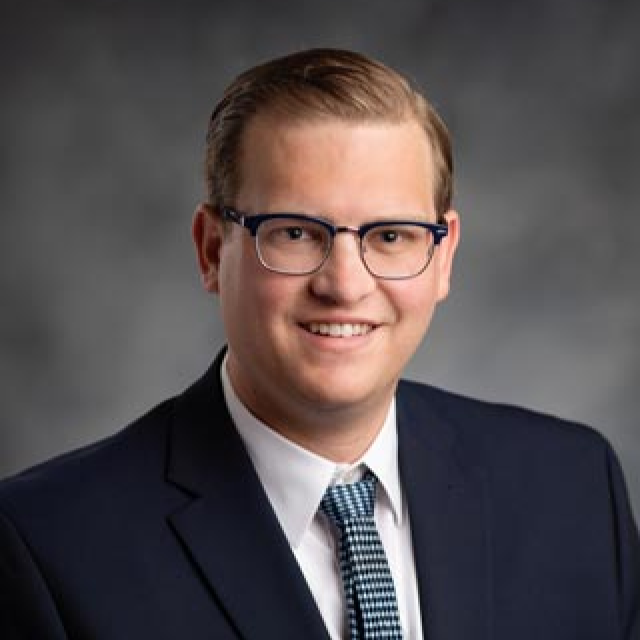
Nicholas Lannen, MD
Neuroimmunologist
- Specialty: Neuroimmunology
- Residency: Corewell Health/Michigan State University
Michelle DeJesus Brazitis, MD
Neurohospitalist
- Specialty: Neurohospitalist
- Fellowship: Georgia Health Science University
- Residency: St. Elizabeth Health Center – Youngstown
Nicholas Lannen, MD
Neuroimmunologist
- Specialty: Neuroimmunology
- Residency: Corewell Health/Michigan State University
Michelle DeJesus Brazitis, MD
Neurohospitalist
- Specialty: Neurohospitalist
- Fellowship: Georgia Health Science University
- Residency: St. Elizabeth Health Center – Youngstown
Nicholas Lannen, MD
Neuroimmunologist
- Specialty: Neuroimmunology
- Residency: Corewell Health/Michigan State University
Michelle DeJesus Brazitis, MD
Neurohospitalist
- Specialty: Neurohospitalist
- Fellowship: Georgia Health Science University
- Residency: St. Elizabeth Health Center – Youngstown
Nicholas Lannen, MD
Neuroimmunologist
- Specialty: Neuroimmunology
- Residency: Corewell Health/Michigan State University
Core faculty
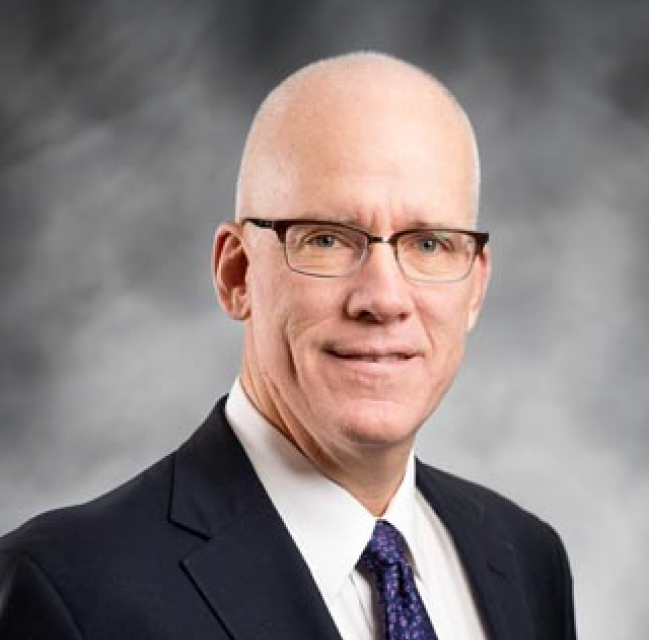
David Burdette, MD
Epileptologist
- Specialty: Epilepsy
- Fellowship: University of Michigan Health System
- Residency: Boston University Affiliated Hospitals
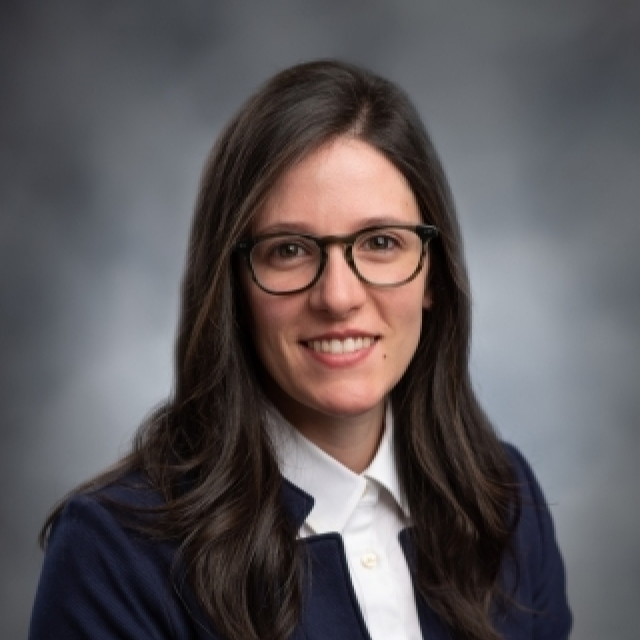
Samantha Cencer, DO
Neurohospitalist
- Residency: Corewell Health/Michigan State University
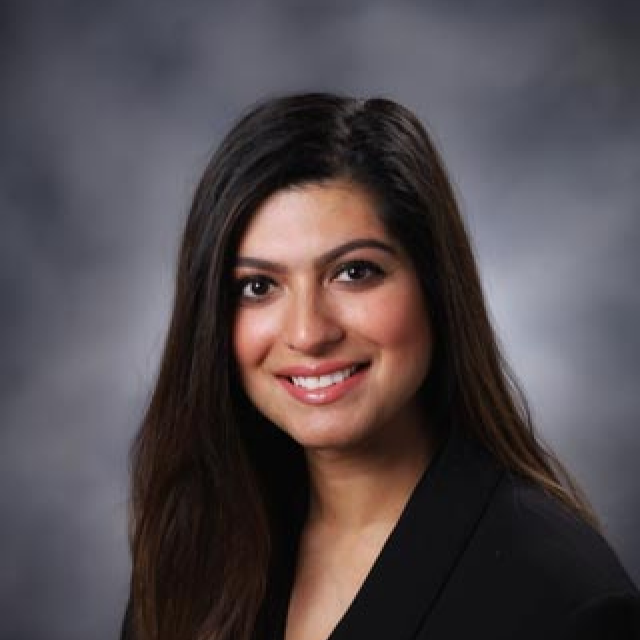
Tia Chakraborty, MD
Neurocritical care
- Specialty: Neurocritical care
- Fellowship: Mayo School of Graduate Medical Education
- Residency: Mayo School of Graduate Medical Education
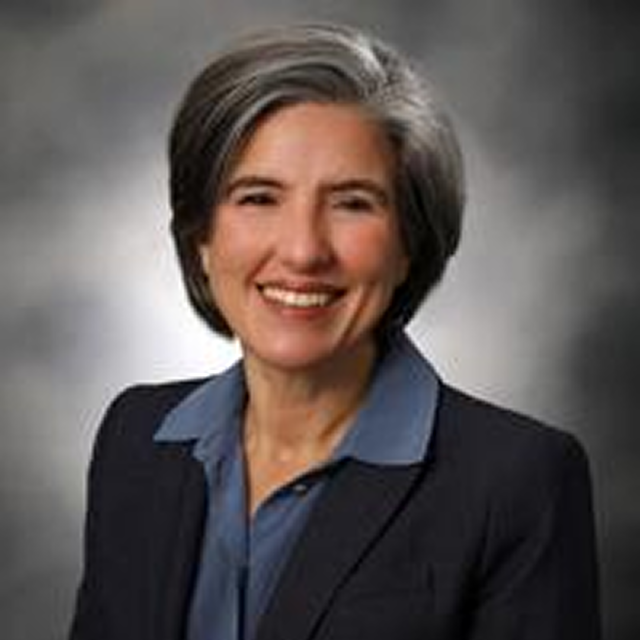
Anelyssa D'Abreu, MD
- Specialty: Neurodegenerative disorders
- Fellowship: Memorial Hospital of Rhode Island
- Residency: Thomas Jefferson University Hospitals
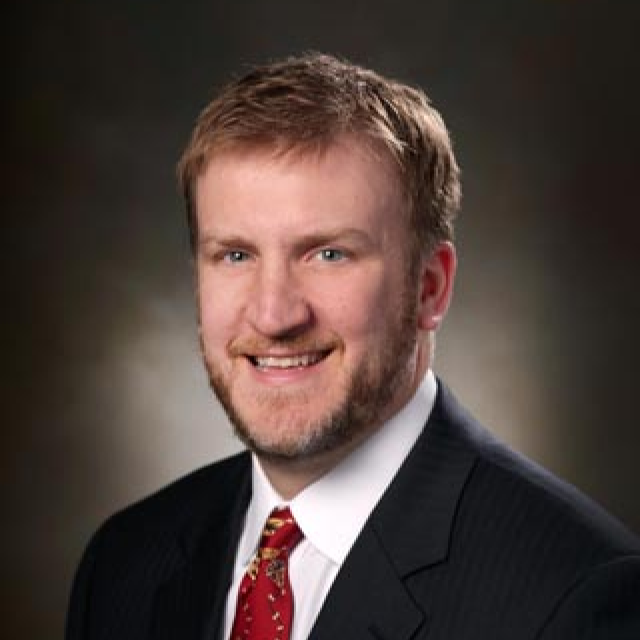
Steve DeRoos, MD
Pediatric neurologist
- Fellowship: Cincinnati Children's Hospital Medical Center
- Residency: Cincinnati Children's Hospital Medical Center
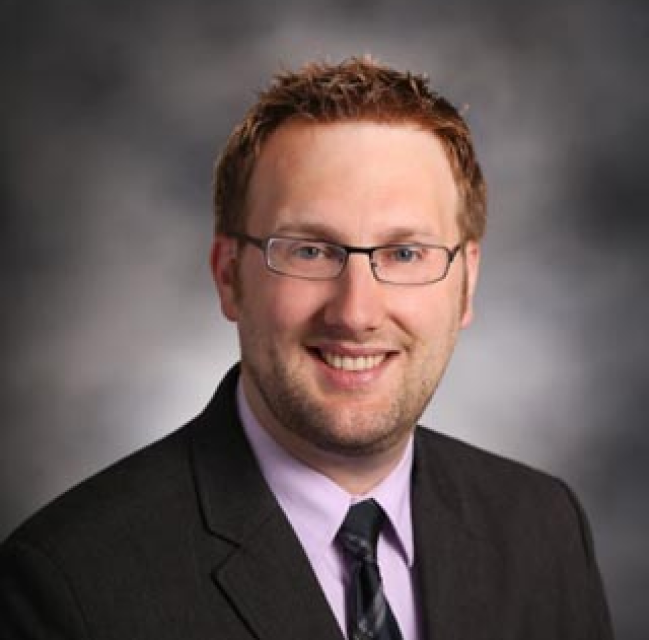
Seth DeVries, MD
Pediatric epileptologist
- Specialty: Pediatric neurology
- Fellowship: University of Michigan Health System
- Residency: Nationwide Children’s Hospital & Ohio State University
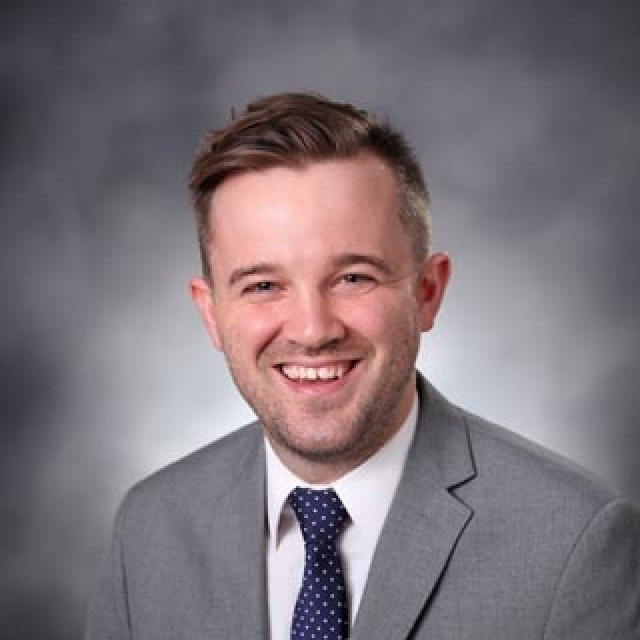
Matthew Ebright, MD
Neuromuscular medicine
- Specialty: Neuromuscular
- Fellowship: University of Michigan Health System
- Residency: University of Michigan Health System
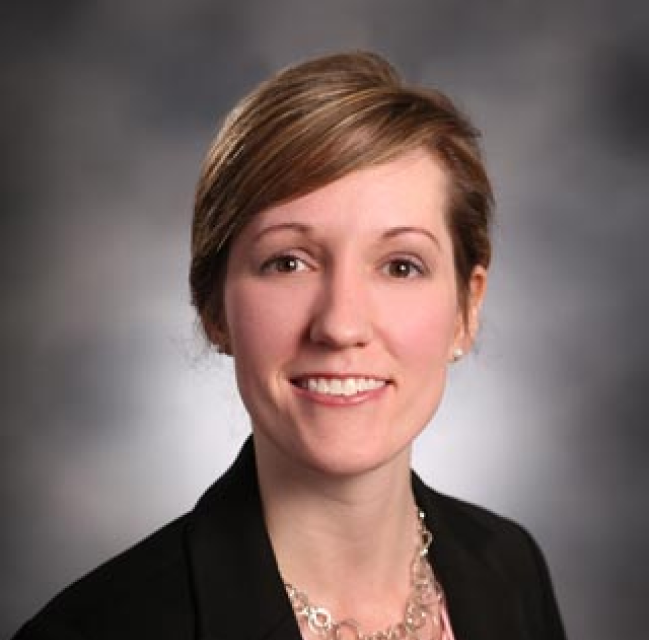
Rachel Fabris, MD
Epileptologist
- Specialty: Epilepsy
- Fellowship: Mayo Clinic
- Residency: Mayo Clinic
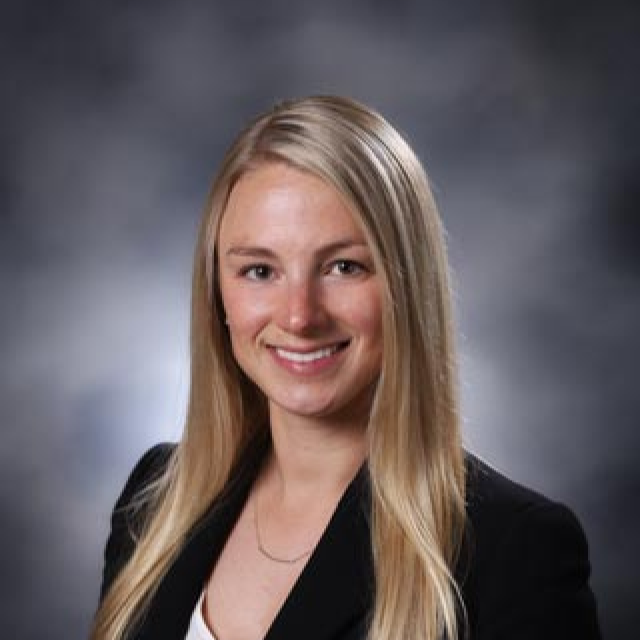
Jessica Feistel, DO
Neurohospitalist
- Specialty: Neurohospitalist
- Residency: Beaumont Hospital
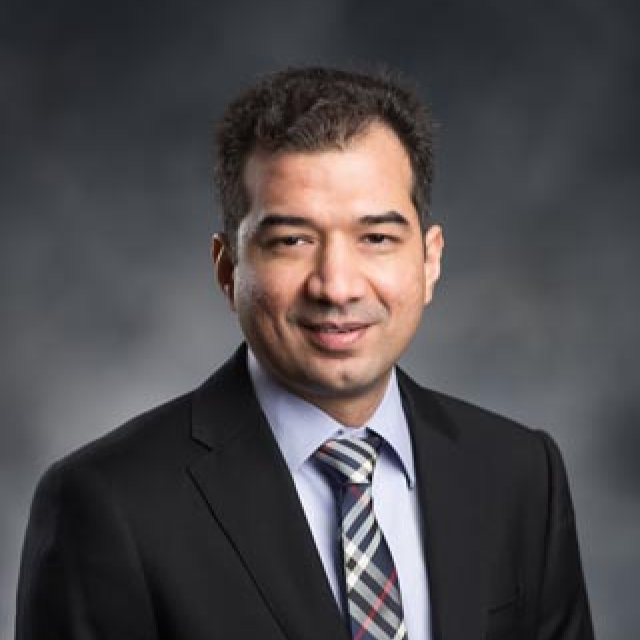
Nadeem Khan, MD
Vascular neurologist
- Specialty: Vascular neurology
- Residency: Southern Illinois University School of Medicine
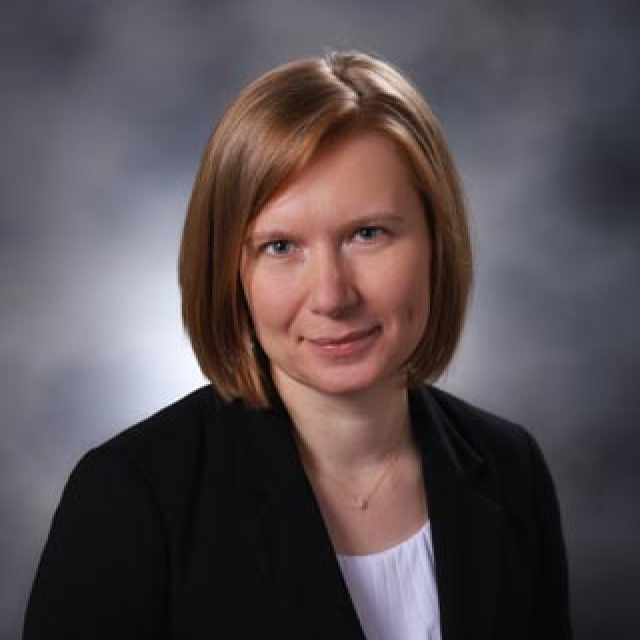
Malgorzata Miller, MD, PhD
Vascular neurologist
- Specialty: Vascular neurology
- Fellowship: University of Pittsburgh Medical School
- Residency: University of Massachusetts Medical School
.png)
Jiangyong (John) Min, MD, PhD
Vascular neurologist
- Specialty: Vascular neurology
- Fellowship:
- (Cardiology) Second Affiliated Hospital of Zhejiang University
- (Research) Beth Israel Deaconess Medical Center, Harvard Medical School
- (Vascular Neurology) Sparrow Health/Michigan State University
- Residency:
- City Hospital of Huzhou
- Sparrow Health/Michigan State University
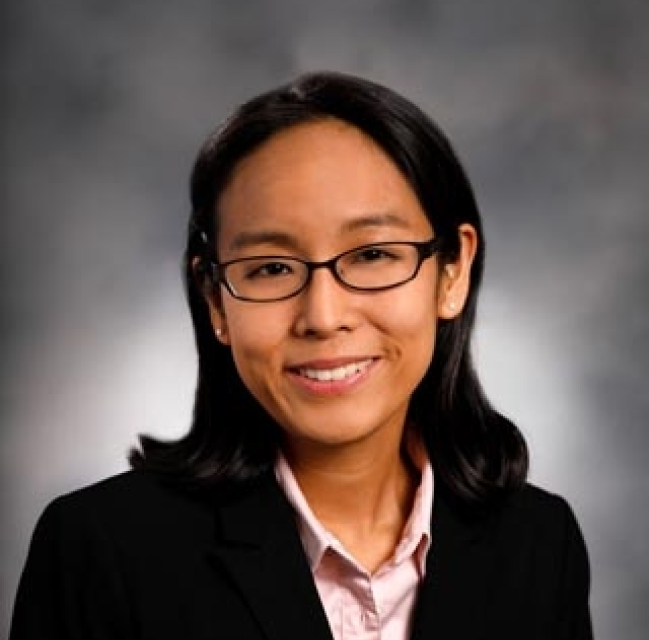
Erin Okazaki, MD
Epileptologist
- Specialty: Epilepsy
- Fellowship: Mayo School of Graduate Medical Education
- Residency: Mayo School of Graduate Medical Education
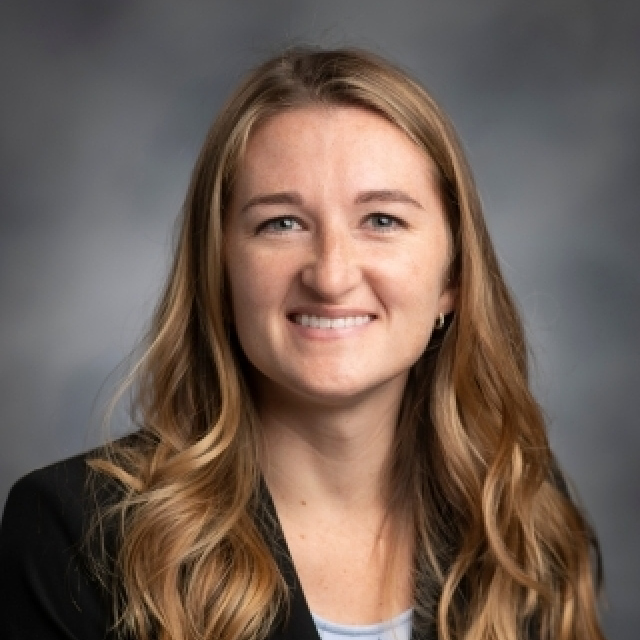
Kelsey Possley, MD
Neuromuscular medicine
- Specialty: Neuromuscular
- Fellowship: Virginia Commonwealth University
- Residency: University of Virginia
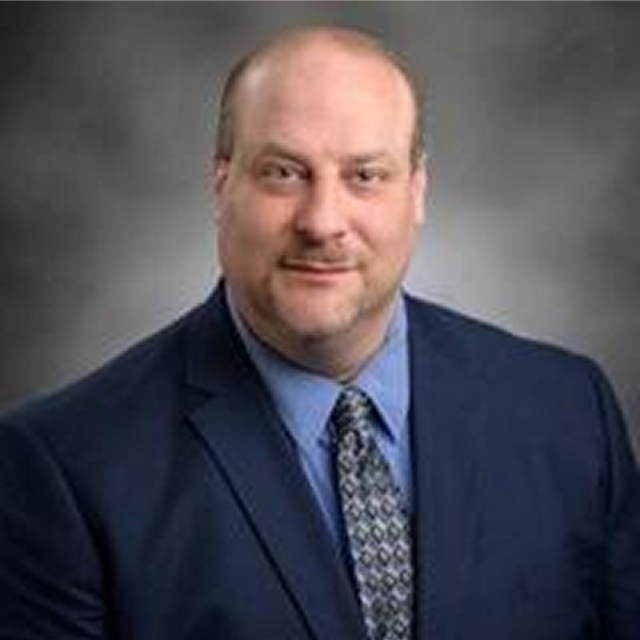
Michael B Schonberger, DO
- Specialty: Movement Disorders
- Fellowship: Henry Ford Hospital
- Residency: Corewell Health Farmington Hills
.png)
Blake Senay, DO
Neurocritical care
- Fellowship: Ohio State University Medical Center
- Residency: Corewell Health/Michigan State University
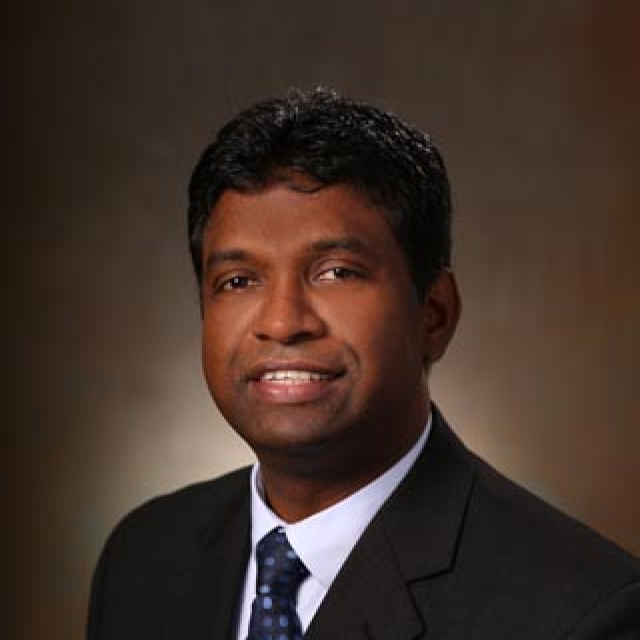
Ashok Sriram, MD
Movement disorders
- Specialty: Movement disorders
- Fellowship: University of Florida College of Medicine
- Residency: Saint Louis University School of Medicine
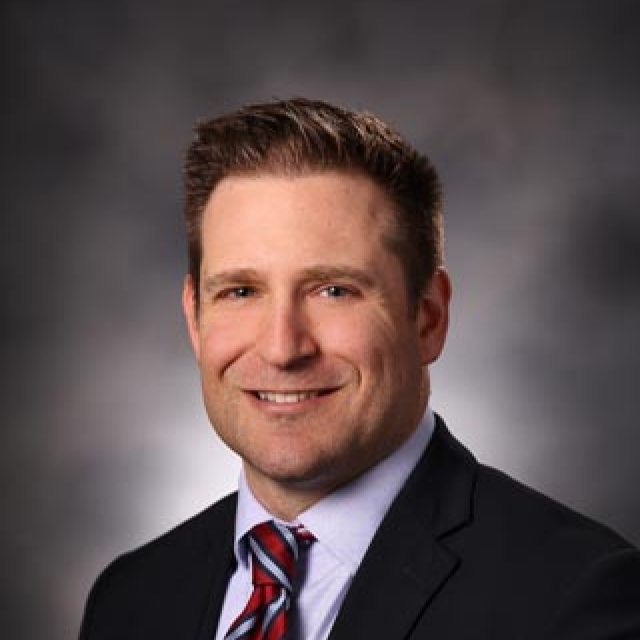
Paul Twydell, DO
Neuromuscular medicine
- Specialty: Neuromuscular
- Fellowship: University of Rochester School of Medicine
- Residency: Henry Ford Hospital
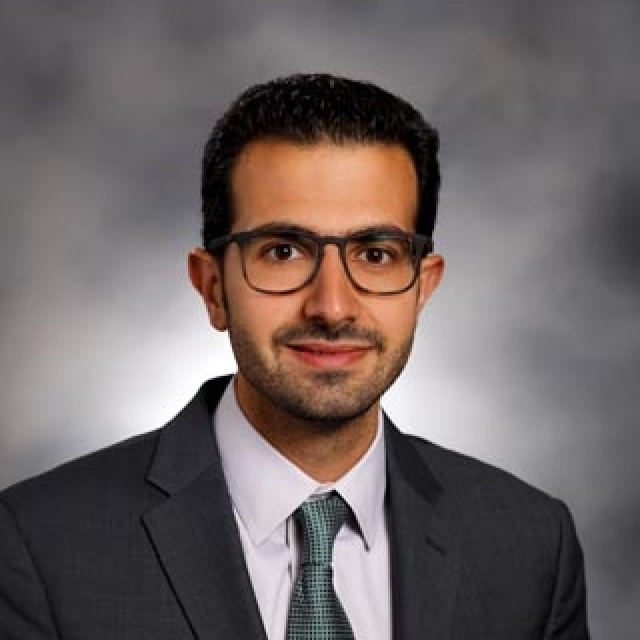
Nabil Wees, MD
Vascular neurologist
- Specialty: Vascular neurology
- Fellowship: Augusta University Medical Center, Medical College of Georgia
- Residency: Augusta University Medical Center, Medical College of Georgia
David Burdette, MD
Epileptologist
- Specialty: Epilepsy
- Fellowship: University of Michigan Health System
- Residency: Boston University Affiliated Hospitals
Samantha Cencer, DO
Neurohospitalist
- Residency: Corewell Health/Michigan State University
Tia Chakraborty, MD
Neurocritical care
- Specialty: Neurocritical care
- Fellowship: Mayo School of Graduate Medical Education
- Residency: Mayo School of Graduate Medical Education
Anelyssa D'Abreu, MD
- Specialty: Neurodegenerative disorders
- Fellowship: Memorial Hospital of Rhode Island
- Residency: Thomas Jefferson University Hospitals
Steve DeRoos, MD
Pediatric neurologist
- Fellowship: Cincinnati Children's Hospital Medical Center
- Residency: Cincinnati Children's Hospital Medical Center
Seth DeVries, MD
Pediatric epileptologist
- Specialty: Pediatric neurology
- Fellowship: University of Michigan Health System
- Residency: Nationwide Children’s Hospital & Ohio State University
Matthew Ebright, MD
Neuromuscular medicine
- Specialty: Neuromuscular
- Fellowship: University of Michigan Health System
- Residency: University of Michigan Health System
Rachel Fabris, MD
Epileptologist
- Specialty: Epilepsy
- Fellowship: Mayo Clinic
- Residency: Mayo Clinic
Jessica Feistel, DO
Neurohospitalist
- Specialty: Neurohospitalist
- Residency: Beaumont Hospital
Nadeem Khan, MD
Vascular neurologist
- Specialty: Vascular neurology
- Residency: Southern Illinois University School of Medicine
Malgorzata Miller, MD, PhD
Vascular neurologist
- Specialty: Vascular neurology
- Fellowship: University of Pittsburgh Medical School
- Residency: University of Massachusetts Medical School
Jiangyong (John) Min, MD, PhD
Vascular neurologist
- Specialty: Vascular neurology
- Fellowship:
- (Cardiology) Second Affiliated Hospital of Zhejiang University
- (Research) Beth Israel Deaconess Medical Center, Harvard Medical School
- (Vascular Neurology) Sparrow Health/Michigan State University
- Residency:
- City Hospital of Huzhou
- Sparrow Health/Michigan State University
Erin Okazaki, MD
Epileptologist
- Specialty: Epilepsy
- Fellowship: Mayo School of Graduate Medical Education
- Residency: Mayo School of Graduate Medical Education
Kelsey Possley, MD
Neuromuscular medicine
- Specialty: Neuromuscular
- Fellowship: Virginia Commonwealth University
- Residency: University of Virginia
Michael B Schonberger, DO
- Specialty: Movement Disorders
- Fellowship: Henry Ford Hospital
- Residency: Corewell Health Farmington Hills
Blake Senay, DO
Neurocritical care
- Fellowship: Ohio State University Medical Center
- Residency: Corewell Health/Michigan State University
Ashok Sriram, MD
Movement disorders
- Specialty: Movement disorders
- Fellowship: University of Florida College of Medicine
- Residency: Saint Louis University School of Medicine
Paul Twydell, DO
Neuromuscular medicine
- Specialty: Neuromuscular
- Fellowship: University of Rochester School of Medicine
- Residency: Henry Ford Hospital
Nabil Wees, MD
Vascular neurologist
- Specialty: Vascular neurology
- Fellowship: Augusta University Medical Center, Medical College of Georgia
- Residency: Augusta University Medical Center, Medical College of Georgia
David Burdette, MD
Epileptologist
- Specialty: Epilepsy
- Fellowship: University of Michigan Health System
- Residency: Boston University Affiliated Hospitals
Samantha Cencer, DO
Neurohospitalist
- Residency: Corewell Health/Michigan State University
Tia Chakraborty, MD
Neurocritical care
- Specialty: Neurocritical care
- Fellowship: Mayo School of Graduate Medical Education
- Residency: Mayo School of Graduate Medical Education
Anelyssa D'Abreu, MD
- Specialty: Neurodegenerative disorders
- Fellowship: Memorial Hospital of Rhode Island
- Residency: Thomas Jefferson University Hospitals
Steve DeRoos, MD
Pediatric neurologist
- Fellowship: Cincinnati Children's Hospital Medical Center
- Residency: Cincinnati Children's Hospital Medical Center
Seth DeVries, MD
Pediatric epileptologist
- Specialty: Pediatric neurology
- Fellowship: University of Michigan Health System
- Residency: Nationwide Children’s Hospital & Ohio State University
Matthew Ebright, MD
Neuromuscular medicine
- Specialty: Neuromuscular
- Fellowship: University of Michigan Health System
- Residency: University of Michigan Health System
Rachel Fabris, MD
Epileptologist
- Specialty: Epilepsy
- Fellowship: Mayo Clinic
- Residency: Mayo Clinic
Jessica Feistel, DO
Neurohospitalist
- Specialty: Neurohospitalist
- Residency: Beaumont Hospital
Nadeem Khan, MD
Vascular neurologist
- Specialty: Vascular neurology
- Residency: Southern Illinois University School of Medicine
Malgorzata Miller, MD, PhD
Vascular neurologist
- Specialty: Vascular neurology
- Fellowship: University of Pittsburgh Medical School
- Residency: University of Massachusetts Medical School
Jiangyong (John) Min, MD, PhD
Vascular neurologist
- Specialty: Vascular neurology
- Fellowship:
- (Cardiology) Second Affiliated Hospital of Zhejiang University
- (Research) Beth Israel Deaconess Medical Center, Harvard Medical School
- (Vascular Neurology) Sparrow Health/Michigan State University
- Residency:
- City Hospital of Huzhou
- Sparrow Health/Michigan State University
Erin Okazaki, MD
Epileptologist
- Specialty: Epilepsy
- Fellowship: Mayo School of Graduate Medical Education
- Residency: Mayo School of Graduate Medical Education
Kelsey Possley, MD
Neuromuscular medicine
- Specialty: Neuromuscular
- Fellowship: Virginia Commonwealth University
- Residency: University of Virginia
Michael B Schonberger, DO
- Specialty: Movement Disorders
- Fellowship: Henry Ford Hospital
- Residency: Corewell Health Farmington Hills
Blake Senay, DO
Neurocritical care
- Fellowship: Ohio State University Medical Center
- Residency: Corewell Health/Michigan State University
Ashok Sriram, MD
Movement disorders
- Specialty: Movement disorders
- Fellowship: University of Florida College of Medicine
- Residency: Saint Louis University School of Medicine
Paul Twydell, DO
Neuromuscular medicine
- Specialty: Neuromuscular
- Fellowship: University of Rochester School of Medicine
- Residency: Henry Ford Hospital
Nabil Wees, MD
Vascular neurologist
- Specialty: Vascular neurology
- Fellowship: Augusta University Medical Center, Medical College of Georgia
- Residency: Augusta University Medical Center, Medical College of Georgia
David Burdette, MD
Epileptologist
- Specialty: Epilepsy
- Fellowship: University of Michigan Health System
- Residency: Boston University Affiliated Hospitals
Samantha Cencer, DO
Neurohospitalist
- Residency: Corewell Health/Michigan State University
Tia Chakraborty, MD
Neurocritical care
- Specialty: Neurocritical care
- Fellowship: Mayo School of Graduate Medical Education
- Residency: Mayo School of Graduate Medical Education
Anelyssa D'Abreu, MD
- Specialty: Neurodegenerative disorders
- Fellowship: Memorial Hospital of Rhode Island
- Residency: Thomas Jefferson University Hospitals
Steve DeRoos, MD
Pediatric neurologist
- Fellowship: Cincinnati Children's Hospital Medical Center
- Residency: Cincinnati Children's Hospital Medical Center
Seth DeVries, MD
Pediatric epileptologist
- Specialty: Pediatric neurology
- Fellowship: University of Michigan Health System
- Residency: Nationwide Children’s Hospital & Ohio State University
Matthew Ebright, MD
Neuromuscular medicine
- Specialty: Neuromuscular
- Fellowship: University of Michigan Health System
- Residency: University of Michigan Health System
Rachel Fabris, MD
Epileptologist
- Specialty: Epilepsy
- Fellowship: Mayo Clinic
- Residency: Mayo Clinic
Jessica Feistel, DO
Neurohospitalist
- Specialty: Neurohospitalist
- Residency: Beaumont Hospital
Nadeem Khan, MD
Vascular neurologist
- Specialty: Vascular neurology
- Residency: Southern Illinois University School of Medicine
Malgorzata Miller, MD, PhD
Vascular neurologist
- Specialty: Vascular neurology
- Fellowship: University of Pittsburgh Medical School
- Residency: University of Massachusetts Medical School
Jiangyong (John) Min, MD, PhD
Vascular neurologist
- Specialty: Vascular neurology
- Fellowship:
- (Cardiology) Second Affiliated Hospital of Zhejiang University
- (Research) Beth Israel Deaconess Medical Center, Harvard Medical School
- (Vascular Neurology) Sparrow Health/Michigan State University
- Residency:
- City Hospital of Huzhou
- Sparrow Health/Michigan State University
Erin Okazaki, MD
Epileptologist
- Specialty: Epilepsy
- Fellowship: Mayo School of Graduate Medical Education
- Residency: Mayo School of Graduate Medical Education
Kelsey Possley, MD
Neuromuscular medicine
- Specialty: Neuromuscular
- Fellowship: Virginia Commonwealth University
- Residency: University of Virginia
Michael B Schonberger, DO
- Specialty: Movement Disorders
- Fellowship: Henry Ford Hospital
- Residency: Corewell Health Farmington Hills
Blake Senay, DO
Neurocritical care
- Fellowship: Ohio State University Medical Center
- Residency: Corewell Health/Michigan State University
Ashok Sriram, MD
Movement disorders
- Specialty: Movement disorders
- Fellowship: University of Florida College of Medicine
- Residency: Saint Louis University School of Medicine
Paul Twydell, DO
Neuromuscular medicine
- Specialty: Neuromuscular
- Fellowship: University of Rochester School of Medicine
- Residency: Henry Ford Hospital
Nabil Wees, MD
Vascular neurologist
- Specialty: Vascular neurology
- Fellowship: Augusta University Medical Center, Medical College of Georgia
- Residency: Augusta University Medical Center, Medical College of Georgia
PGY 1
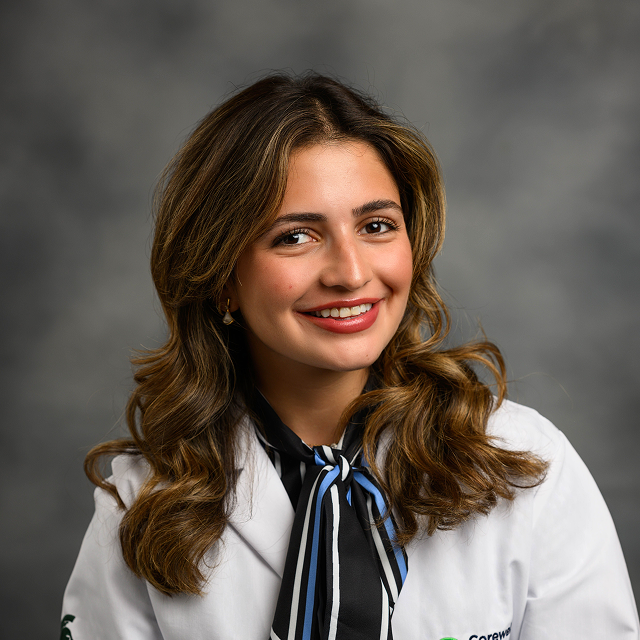
Farah Barakat, MBBS
Alfaisal University
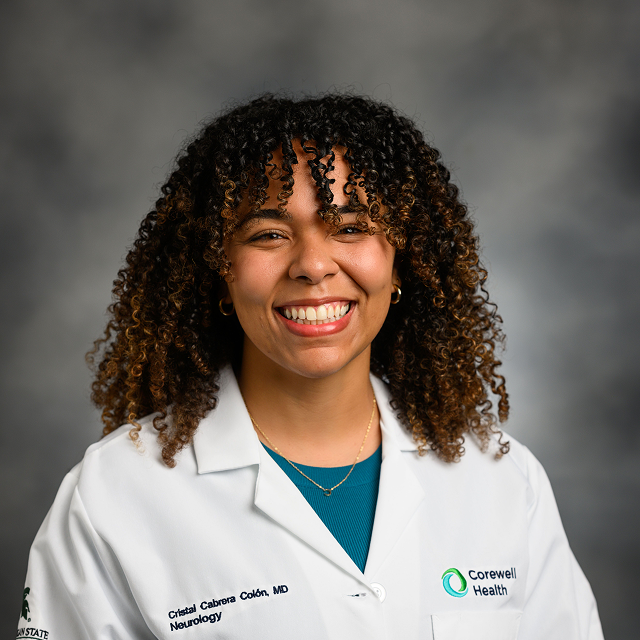
Cristal Cabrera Colon, MD
Western Michigan University
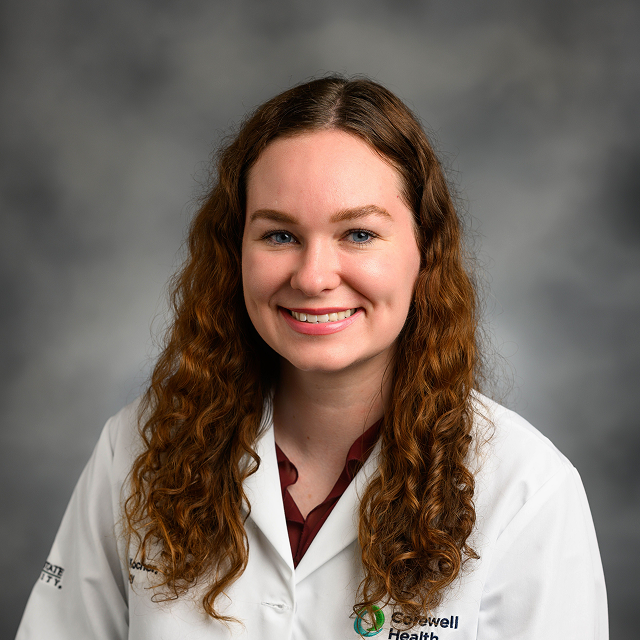
Finley Kocher, DO
Ohio University Heritage College of Osteopathic Medicine
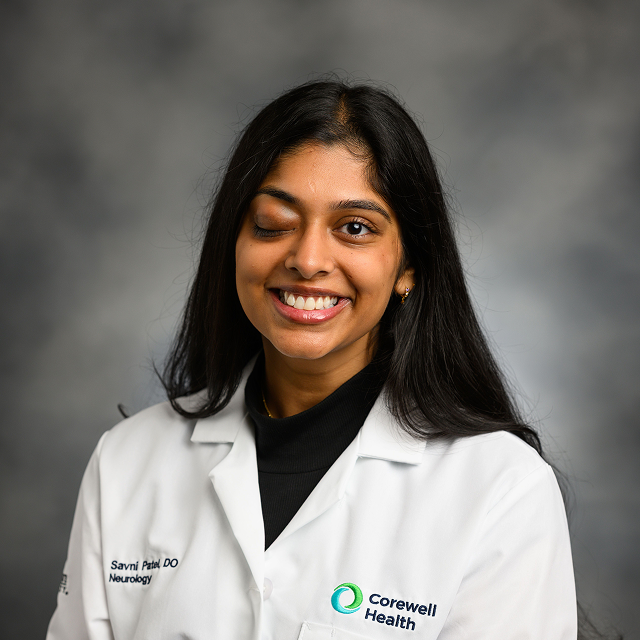
Savni Patel, DO
Midwestern University— Arizona
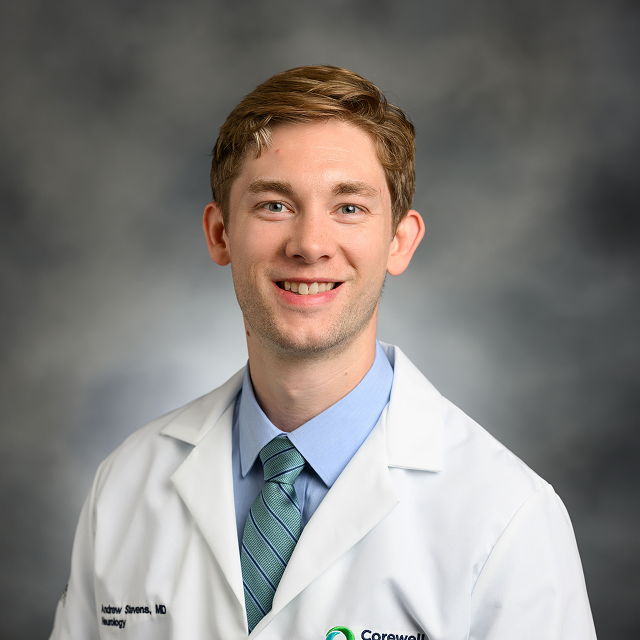
Andrew Stevens, MD
Central Michigan University
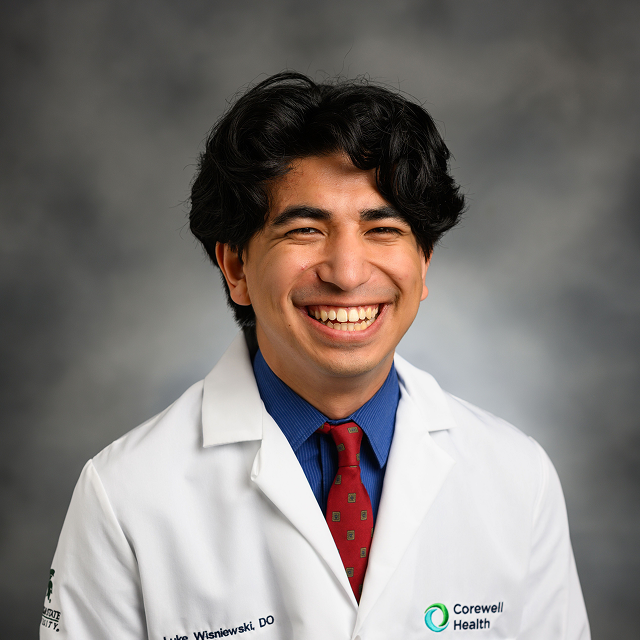
Luke Wisniewski, DO
Ohio University Heritage College of Osteopathic Medicine
Farah Barakat, MBBS
Alfaisal University
Cristal Cabrera Colon, MD
Western Michigan University
Finley Kocher, DO
Ohio University Heritage College of Osteopathic Medicine
Savni Patel, DO
Midwestern University— Arizona
Andrew Stevens, MD
Central Michigan University
Luke Wisniewski, DO
Ohio University Heritage College of Osteopathic Medicine
Farah Barakat, MBBS
Alfaisal University
Cristal Cabrera Colon, MD
Western Michigan University
Finley Kocher, DO
Ohio University Heritage College of Osteopathic Medicine
Savni Patel, DO
Midwestern University— Arizona
Andrew Stevens, MD
Central Michigan University
Luke Wisniewski, DO
Ohio University Heritage College of Osteopathic Medicine
Farah Barakat, MBBS
Alfaisal University
Cristal Cabrera Colon, MD
Western Michigan University
Finley Kocher, DO
Ohio University Heritage College of Osteopathic Medicine
Savni Patel, DO
Midwestern University— Arizona
Andrew Stevens, MD
Central Michigan University
Luke Wisniewski, DO
Ohio University Heritage College of Osteopathic Medicine
PGY 2
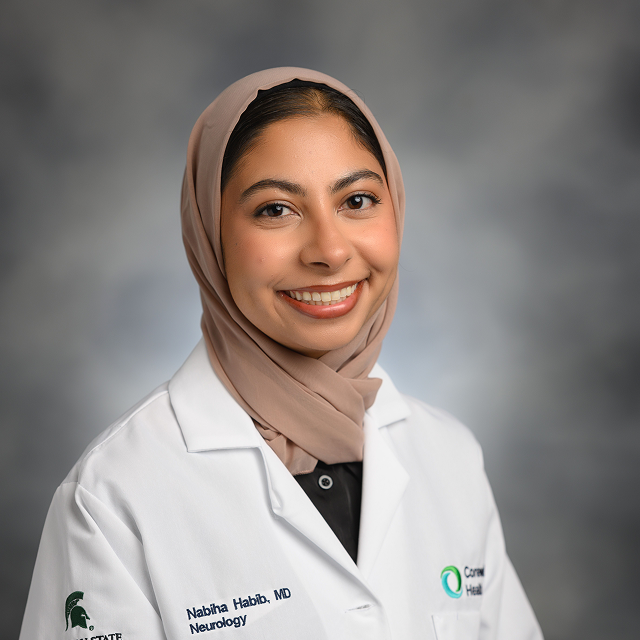
Nabiha Habib, MD
Michigan State University
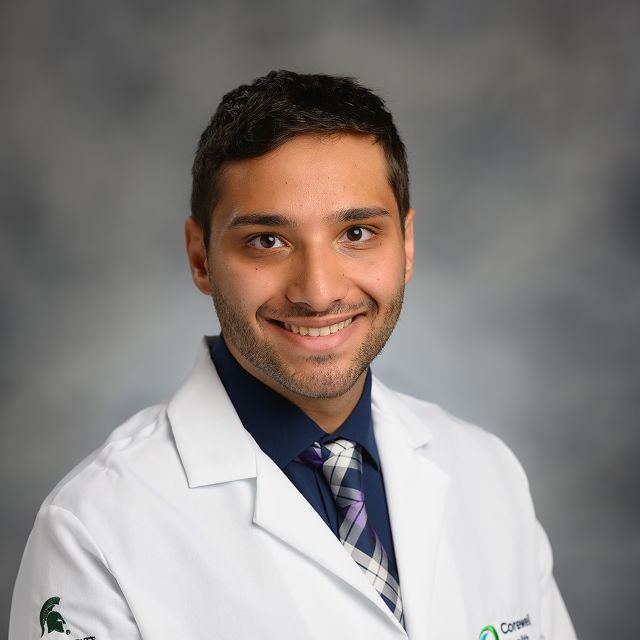
Imadeddin Hijazi, MD
University of Michigan
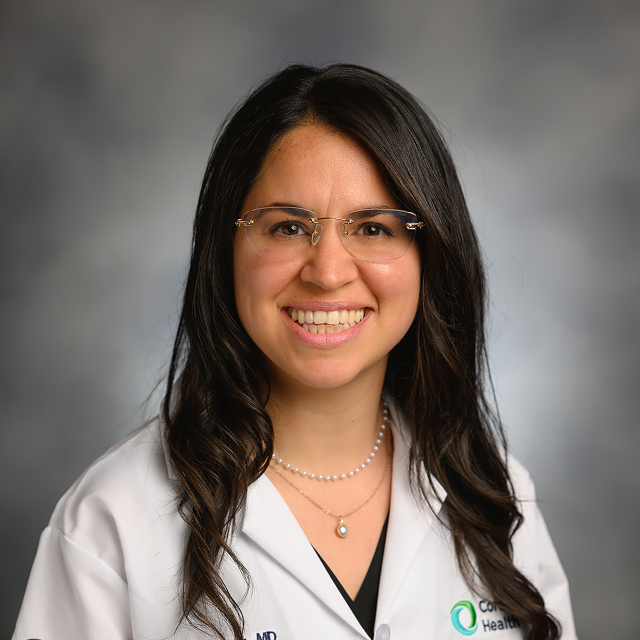
Andrea Jimenez Gutierrez, MD
American University of the Caribbean
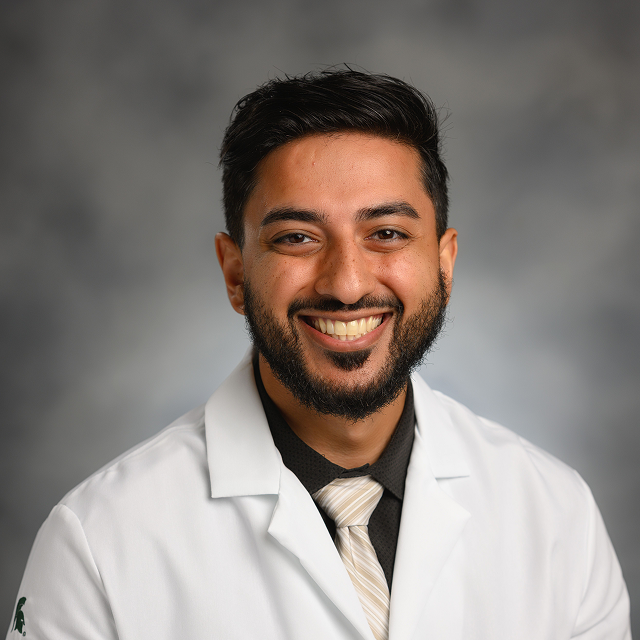
Aryaan Khan, MD
University of Medicine and Health Sciences —St. Kitts
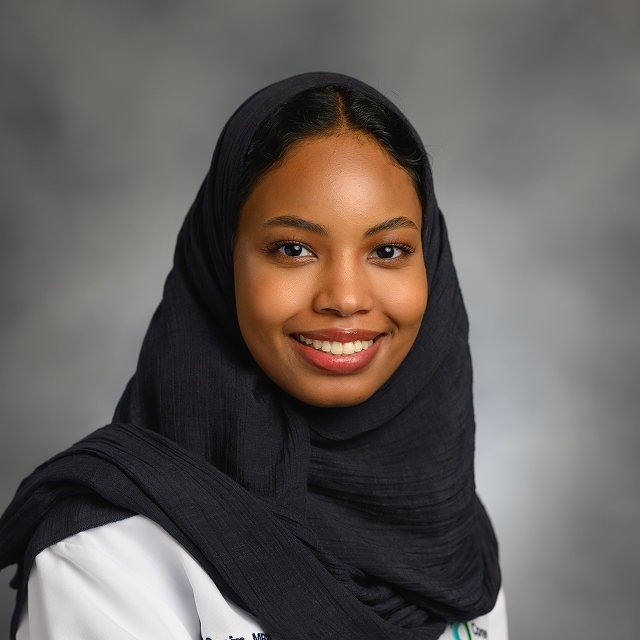
Hiba Qasim, MBBS
Alfaisal University
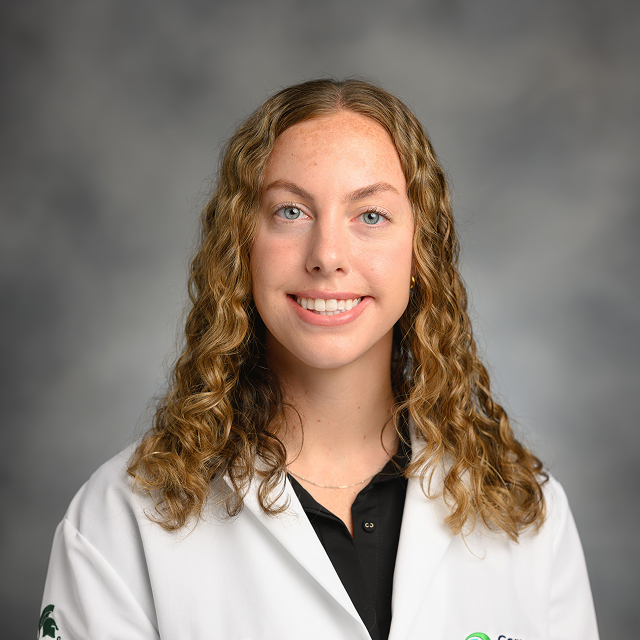
Emma Streveler, MD
Wayne State University
Nabiha Habib, MD
Michigan State University
Imadeddin Hijazi, MD
University of Michigan
Andrea Jimenez Gutierrez, MD
American University of the Caribbean
Aryaan Khan, MD
University of Medicine and Health Sciences —St. Kitts
Hiba Qasim, MBBS
Alfaisal University
Emma Streveler, MD
Wayne State University
Nabiha Habib, MD
Michigan State University
Imadeddin Hijazi, MD
University of Michigan
Andrea Jimenez Gutierrez, MD
American University of the Caribbean
Aryaan Khan, MD
University of Medicine and Health Sciences —St. Kitts
Hiba Qasim, MBBS
Alfaisal University
Emma Streveler, MD
Wayne State University
Nabiha Habib, MD
Michigan State University
Imadeddin Hijazi, MD
University of Michigan
Andrea Jimenez Gutierrez, MD
American University of the Caribbean
Aryaan Khan, MD
University of Medicine and Health Sciences —St. Kitts
Hiba Qasim, MBBS
Alfaisal University
Emma Streveler, MD
Wayne State University
PGY 3
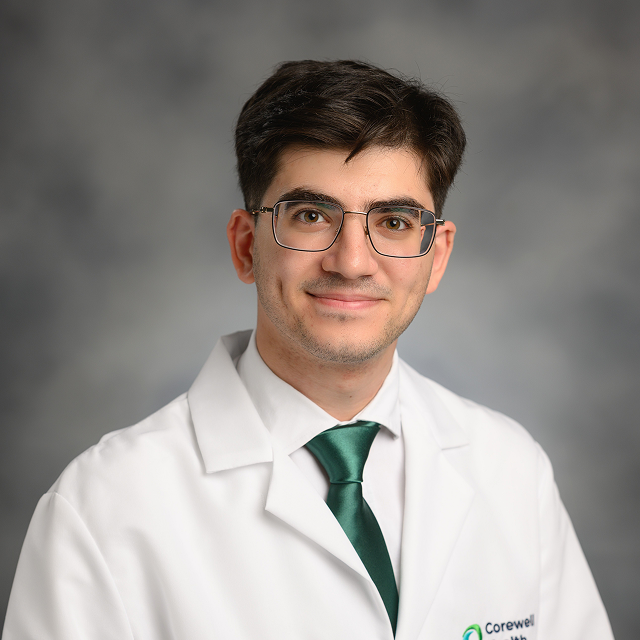
Kassem Al Asaad, MBBS
Alfaisal University
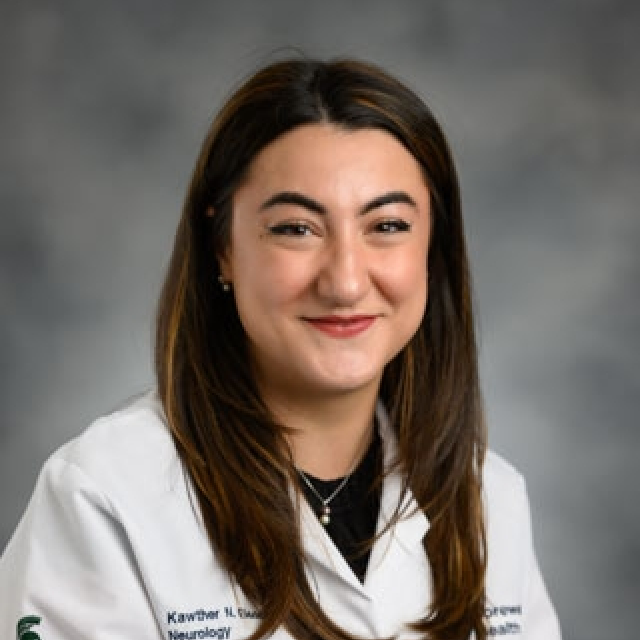
Kawther Elsouri, DO
Nova Southeastern University
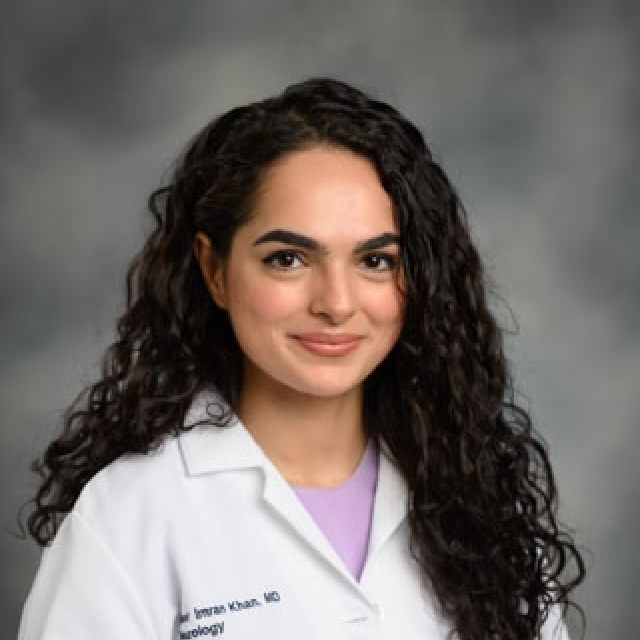
Noor Imran, MBBS
Ziauddin Medical College
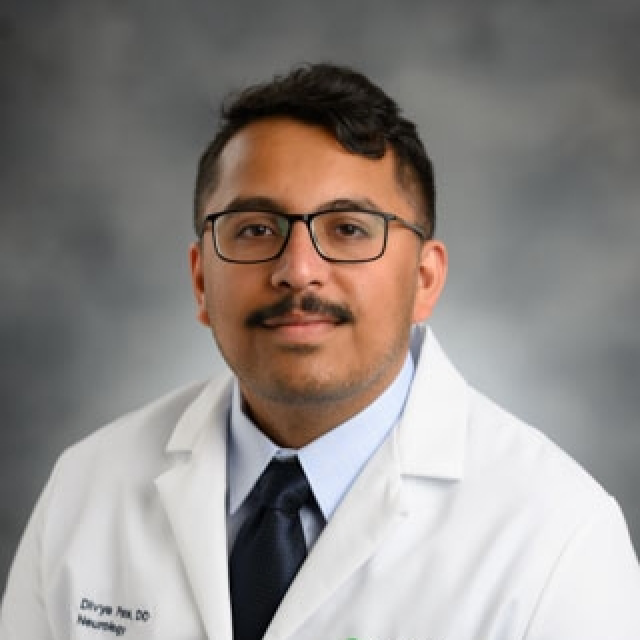
Divya Patel, DO
Michigan State University
Kassem Al Asaad, MBBS
Alfaisal University
Kawther Elsouri, DO
Nova Southeastern University
Noor Imran, MBBS
Ziauddin Medical College
Divya Patel, DO
Michigan State University
Kassem Al Asaad, MBBS
Alfaisal University
Kawther Elsouri, DO
Nova Southeastern University
Noor Imran, MBBS
Ziauddin Medical College
Divya Patel, DO
Michigan State University
Kassem Al Asaad, MBBS
Alfaisal University
Kawther Elsouri, DO
Nova Southeastern University
Noor Imran, MBBS
Ziauddin Medical College
Divya Patel, DO
Michigan State University
PGY 4
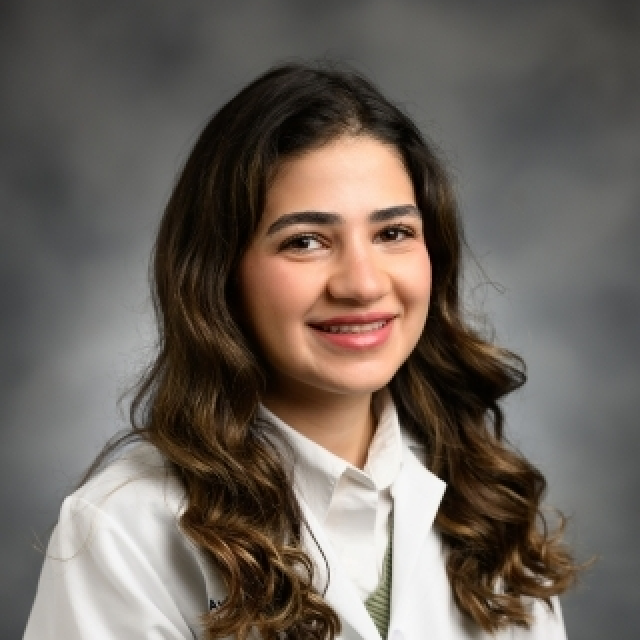
Ayla Barakat, MBBS
Alfaisal University College of Medicine
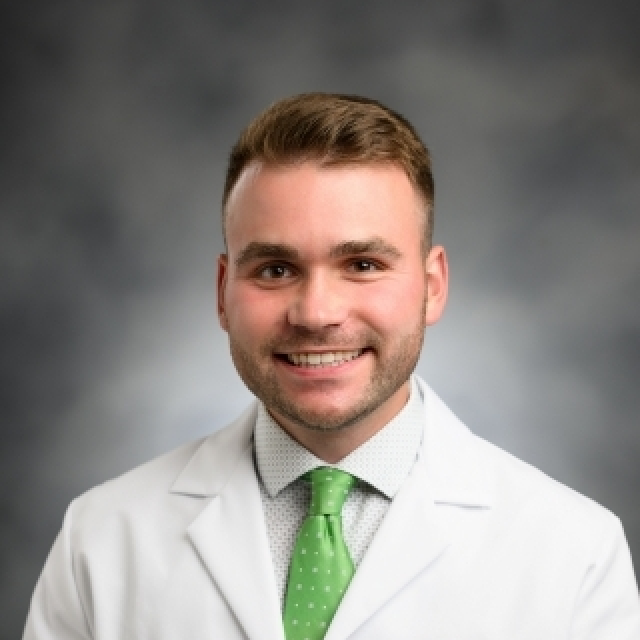
Ryan Bean, DO
Michigan State University College of Osteopathic Medicine
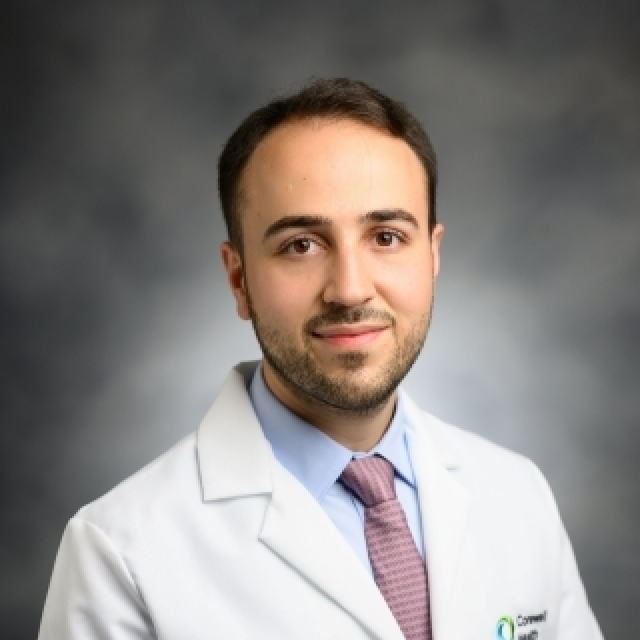
Naser Haj Aissa, MBBS
Alfaisal University College of Medicine
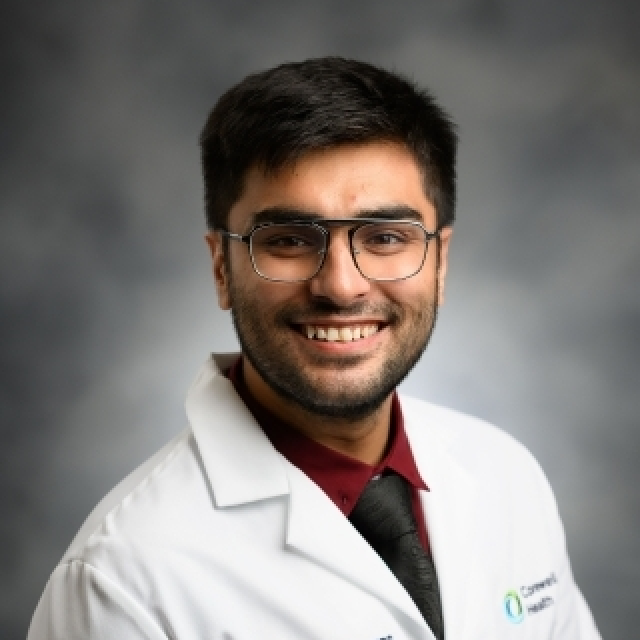
Shayan Marsia, MBBS
Dow Medical College
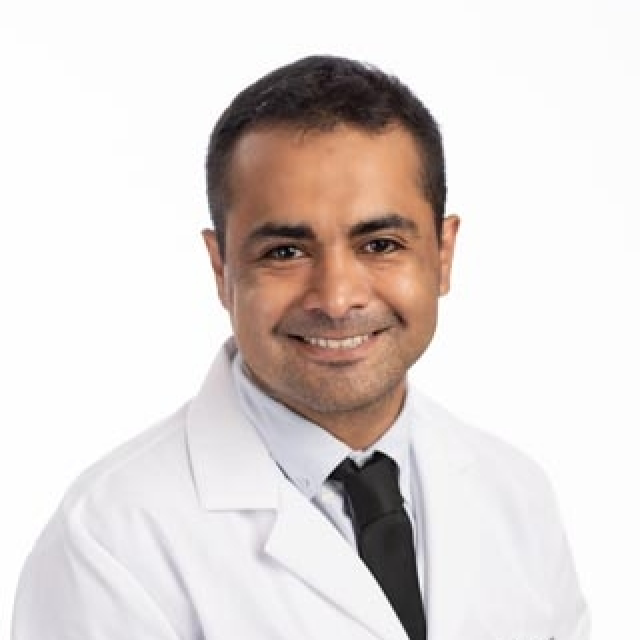
Juan Fernando Ortiz Aguirre, MD
Universidad San Francisco de Quito
Ayla Barakat, MBBS
Alfaisal University College of Medicine
Ryan Bean, DO
Michigan State University College of Osteopathic Medicine
Naser Haj Aissa, MBBS
Alfaisal University College of Medicine
Shayan Marsia, MBBS
Dow Medical College
Juan Fernando Ortiz Aguirre, MD
Universidad San Francisco de Quito
Ayla Barakat, MBBS
Alfaisal University College of Medicine
Ryan Bean, DO
Michigan State University College of Osteopathic Medicine
Naser Haj Aissa, MBBS
Alfaisal University College of Medicine
Shayan Marsia, MBBS
Dow Medical College
Juan Fernando Ortiz Aguirre, MD
Universidad San Francisco de Quito
Ayla Barakat, MBBS
Alfaisal University College of Medicine
Ryan Bean, DO
Michigan State University College of Osteopathic Medicine
Naser Haj Aissa, MBBS
Alfaisal University College of Medicine
Shayan Marsia, MBBS
Dow Medical College
Juan Fernando Ortiz Aguirre, MD
Universidad San Francisco de Quito
Ready to apply?
Review the “Application Requirements” tab on the program page to learn more about the application process.