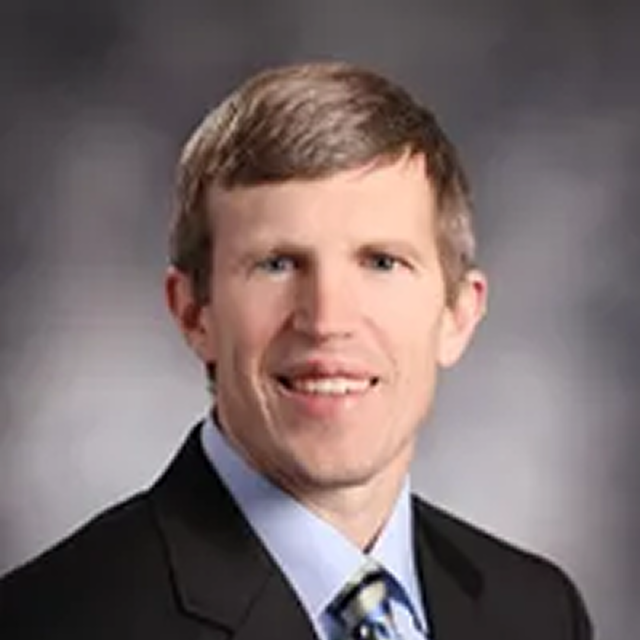
- Specialty: Structural heart disease cardiology
- Fellowship: (Clinical cardiology and interventional cardiology): William Beaumont Hospital – Royal Oak, Michigan
- Residency: William Beaumont Hospital – Royal Oak, Michigan
The Corewell Health in West Michigan Structural Heart Disease Fellowship is a one-year, non-ACGME accredited fellowship program for those who have completed training in general and interventional cardiology. Up to two structural heart disease fellows will have the opportunity to gain experience managing a variety of complex structural and valvular heart disease patients while participating in cases in both the cardiac cath lab and hybrid OR under highly experienced core faculty.
Corewell Health Structural Heart Clinic began in 2011, with our inaugural TAVR procedure. Since then, there have been over 3,800 TAVRs completed over 15 years in addition to the introduction of various mitral and tricuspid valve treatment modalities. The core faculty within the structural heart disease fellowship are trailblazers in their field, bringing research trials and innovative procedures to the forefront of the structural heart field. Selected candidates will be trained under the supervision of core faculty whose goals are to provide evidence-based, life-saving therapies while continuing to advance the structural heart field. It is the goal of the Corewell Health in West Michigan Structural Heart Disease Fellowship program to successfully prepare candidates to be excellent structural heart cardiologists providing compassionate care and outstanding outcomes.
As one of the highest-volume TAVR sites in Michigan, selected candidates will have the opportunity to gain proficiency in TAVR along with various other structural heart procedures while gaining visibility to the newest structural heart interventions. While training, candidates could expect to participate in the pre-, intra-, and post-procedural care of the following procedures:
Training within the structural heart disease fellowship will provide a comprehensive opportunity for the selected candidates to evaluate, treat, and manage the entire spectrum of structural heart disease care. The Corewell Health Structural Heart Program is accredited by the American College of Cardiology as a TAVR Center of Excellence providing high-quality care.
Under the direct supervision of structural heart core faculty members, fellows will also perform high risk percutaneous coronary interventions in select patients.
It is my pleasure to welcome you to the Structural Heart Disease Fellowship Program at Corewell Health in West Michigan. Structural heart disease has become one of the most dynamic and rapidly evolving areas of cardiovascular medicine. Advances in transcatheter therapies have transformed the way we treat patients with valvular and structural heart disease, creating a need for physicians who possess not only exceptional procedural skills, but also sound clinical judgment, multidisciplinary leadership, and a commitment to advancinge the field.
Fellows will be immersed in the comprehensive evaluations and management of patients with structural heart disease. Training will emphasize the full continuum of care from patient selection, advanced imaging review, and multidisciplinary heart team discussion to procedural planning, intervention, post procedural management and follow up. Fellows will gain experience with contemporary transcatheter therapies including transcatheter aortic, mitral, and tricuspid valve replacements, mitral and tricuspid valve edge to edge repair, left atrial appendage occlusion, paravalvular leak closure, patent foramen ovale, atrial septal defect, and ventricular septal defect closure, atrial and mitral balloon valvuloplasty and other complex structural heart interventions while gaining exposure to emerging technologies and evolving treatment strategies.
Technical excellence is only one component of becoming an exceptional structural interventionalist. Our program places equal emphasis on understanding why, when, and for whom an intervention should be performed. Fellows will learn to integrate clinical presentation, multimodal imaging, hemodynamics, anatomy, surgical risk, patient goals, and available evidence to develop individualized treatment strategies. Close collaboration with interventional cardiology, cardiac surgery, cardiovascular imaging, heart failure, anesthesia, nursing, and other members of the multidisciplinary heart team is central to this training. The ideal candidate is someone who is intellectually curious, highly motivated, collaborative,, and committed to continuous improvement. Fellows will be encouraged to participate in clinical research, quality improvement, education, and scholarly activity. Our goal is for graduates not only to practice structural heart medicine at its highest level, but to contribute meaningfully to its future.
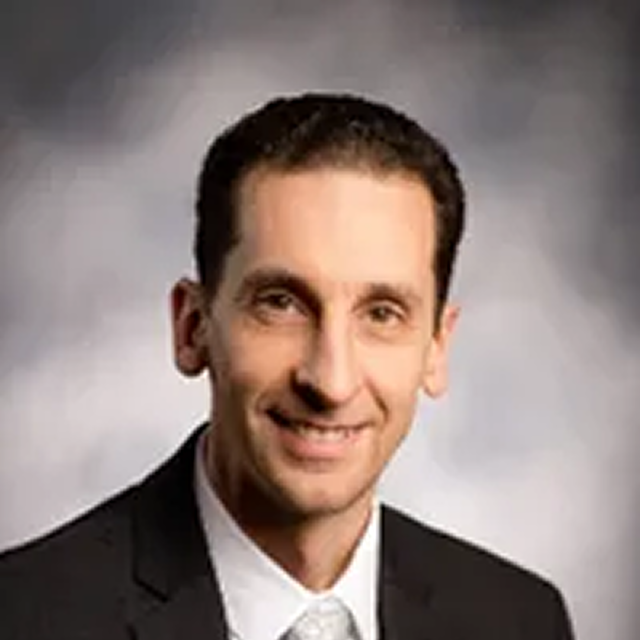
William M. Merhi, DO, FACC, FSCAI




Interventional cardiologist

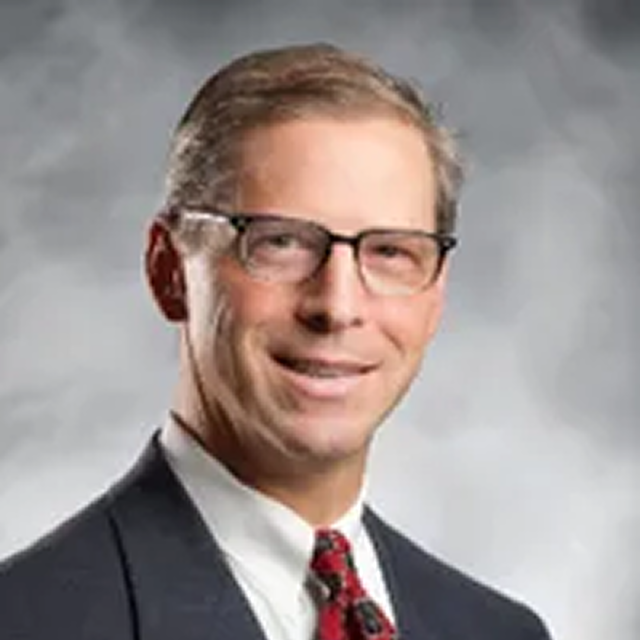
Interventional cardiologist

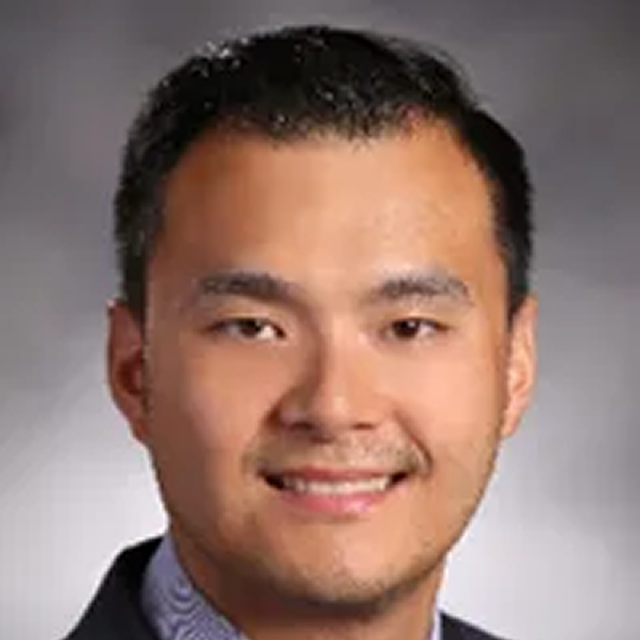
Interventional cardiologist

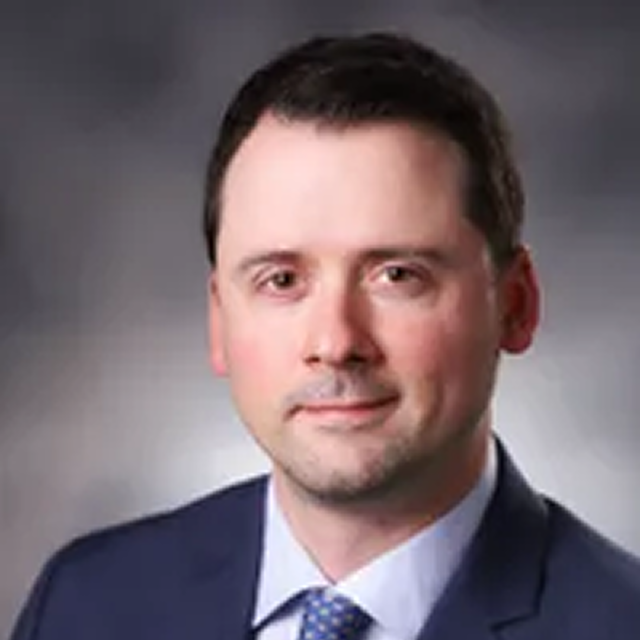
Interventional cardiologist