




Instagram
Follow us on Instagram to see what is going on!




Corewell Health is a not-for-profit, 21 – hospital health system with facilities in West, Southwest, and Southeast Michigan. Beaumont Hospital, Royal Oak opened in 1955 serving the Royal Oak community and has transitioned over the years into Corewell Health William Beaumont University Hospital. As the largest hospital within the health system, William Beaumont University Hospital is a 1,100-bed major academic and referral center with Level I adult trauma and Level II pediatric trauma designations as well as being a Joint Commission accredited comprehensive stroke center with over 100 ICU beds. Corewell Health William Beaumont University Hospital is ranked No. 2 in the state of Michigan with 9 national rankings, one high performing specialty, and 21 high performing procedures and conditions by U.S. News and World Report in their 2025 - 2026 Best Hospitals rankings.
Our inpatient pharmacy department utilizes an integrative practice model, where pharmacists have responsibilities for both distributive and clinical functions. Advancement of our practice model includes the incorporation of state-of-the-art technological systems and a comprehensive electronic medical record.
Ambulatory care pharmacy services include: anticoagulation, diabetes, transitions of care management, pharmacist clinic (collaborative practice agreement to provide medication management for patients with diabetes, hypertension, hyperlipidemia, asthma/COPD, smoking cessation, etc.) and infectious diseases clinics.
Our residency preceptors are actively engaged in practice, education and scholarship. The majority of preceptors hold adjunct appointments with Wayne State University, Eugene Applebaum College of Pharmacy and Allied Health Professions, the University of Michigan, and/or the Oakland University William Beaumont School of Medicine and enjoy productive collaborative relationships with these key partners.
In recognition of their accomplishments, members of our pharmacy team have received external recognition of excellence at the local, state, and national level. Our preceptors hold fellow status within national professional organizations as well as discipline-specific and specialty board certification.
Additional awards include:
Corewell Health William Beaumont University Hospital has been training pharmacy residents since 1977. All programs are ASHP accredited and allow residents to experience a wide variety of learning experiences with multiple longitudinal and precepting opportunities. The department of pharmacy offers six residency programs: traditional and non-traditional PGY1 pharmacy, PGY1/PGY2 health system pharmacy administration and leadership, PGY2 ambulatory care, PGY2 critical care, PGY2 emergency medicine, PGY2 infectious diseases.
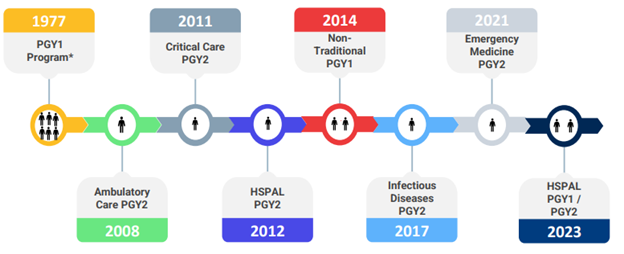
*PGY1 expansions: 1977: 2 residents, 1989: 4 residents, 2011: 6 residents; HSPAL: Health System Pharmacy Administration & Leadership
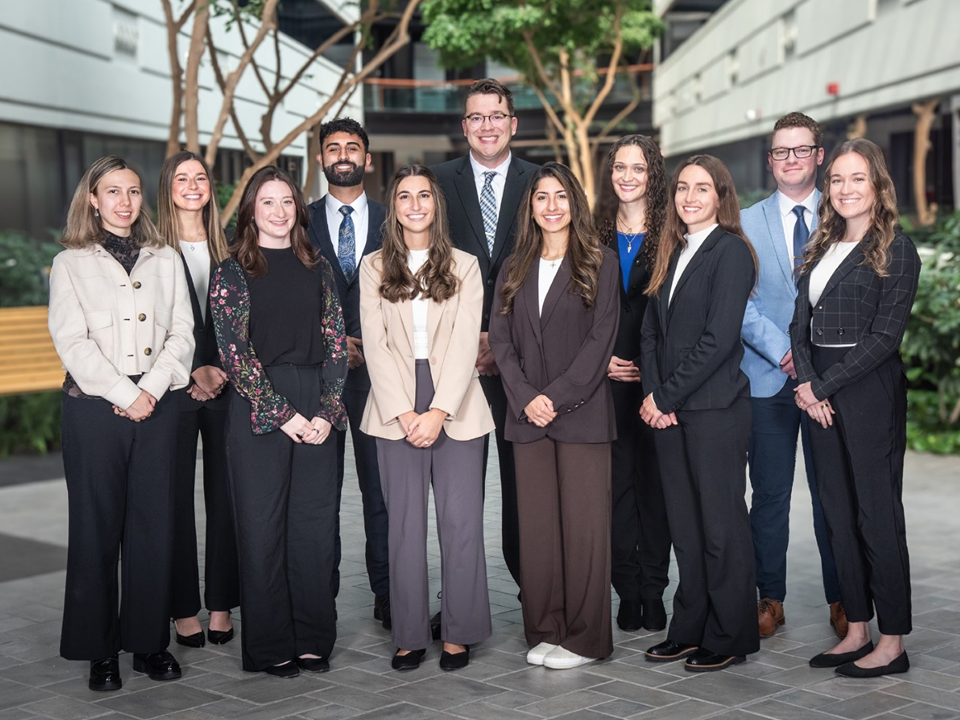
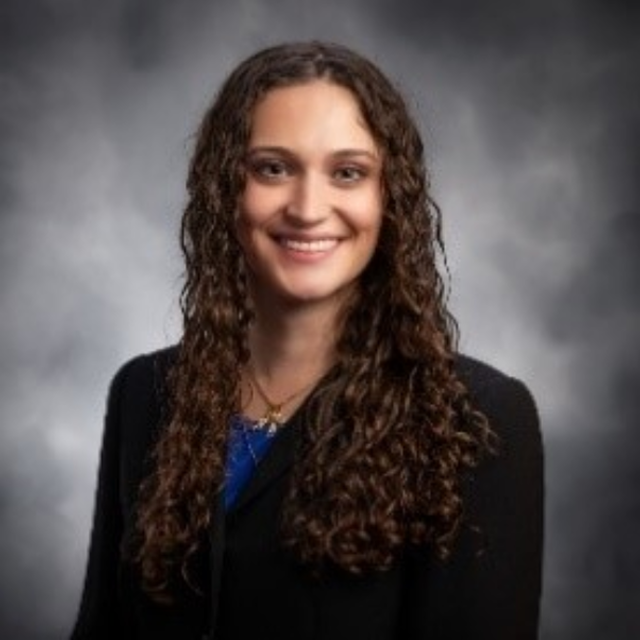
Carlie Castiglione
Hometown: Northville, MI
Undergraduate degree: Honors Bachelor of Science in Biology, University of Detroit Mercy
Pharmacy degree: Doctor of Pharmacy, University of Michigan
Clinical interests: Critical Care, Emergency Medicine, Infectious Diseases
Personal interests: Refereeing soccer, reading, spending time with family, friends and my cat Meatball
Major Project: Effect of Midodrine on Systolic Blood Pressure in Post-Kidney Transplant Hypotension
CE Topic: HIV and SOT
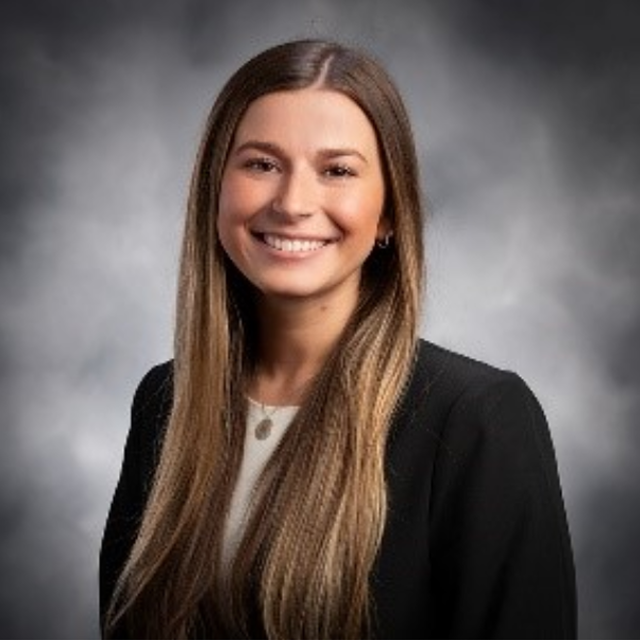
Aubrey Evers
Hometown: Oregon, OH
Undergraduate degree: Bachelor of Science in Pharmaceutical Sciences, University of Toledo
Pharmacy degree: Doctor of Pharmacy, University of Toledo
Clinical interests: Critical Care, Emergency Medicine, Cardiology
Personal interests: Playing volleyball, reading, spending time with family and friends, cooking new recipes
Major Project: Evaluating Parenteral Anticoagulation and Apixaban Lead-In Therapy for Treatment of Venous Thromboembolism
CE Topic: Post-Op Atrial Fibrillation Prevention and Management
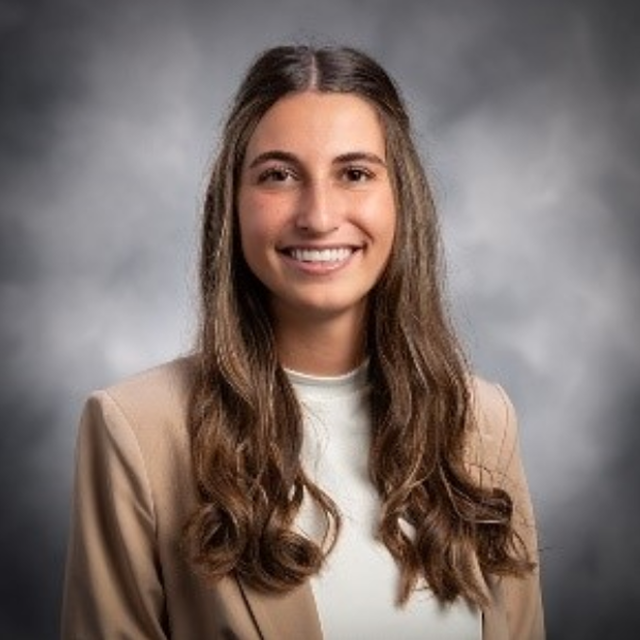
Bianca Lindecker
Hometown: Washington, MI
Undergraduate degree: Bachelor of Science in Health Sciences, Wayne State University
Pharmacy degree: Doctor of Pharmacy, Wayne State University
Clinical interests: Ambulatory Care, Infectious Diseases, Oncology
Personal interests: Reading, exploring nature, spending time with family and friends and her 3 cats
Major Project: Parenteral Nutrition and Bloodstream Infections
CE Topic: Refeeding Syndrome
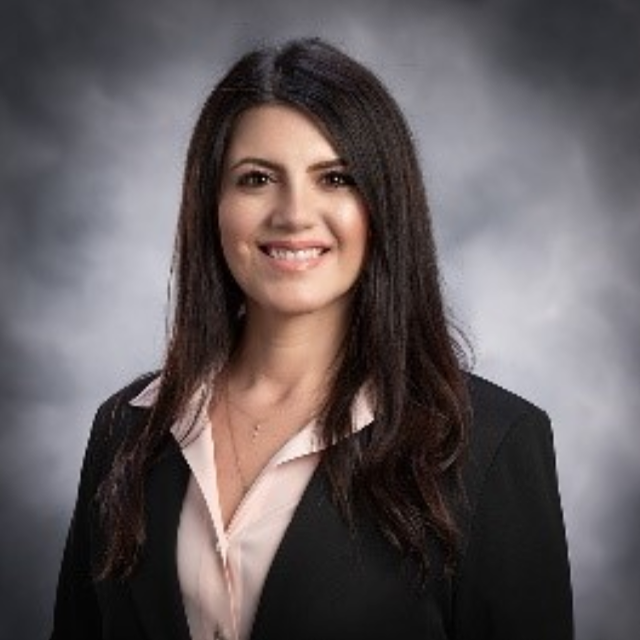
Vian Khoury
Hometown: Iraq then San Diego, CA
Undergraduate degree: Bachelor of Science in Chemistry with Biochemistry emphasis, San Diego State University
Pharmacy degree: Doctor of Pharmacy, Marshal B Ketchum University College of Pharmacy
Clinical interests: Emergency Medicine, Critical Care, Health-System Pharmacy Leadership
Personal interests: Traveling, cooking, exploring new restaurants, spending time with family and friends, making memories with her dog Lucky
Major Project: What Does Standard of Care Scope of Practice Mean and How is it Being Applied in Other States?
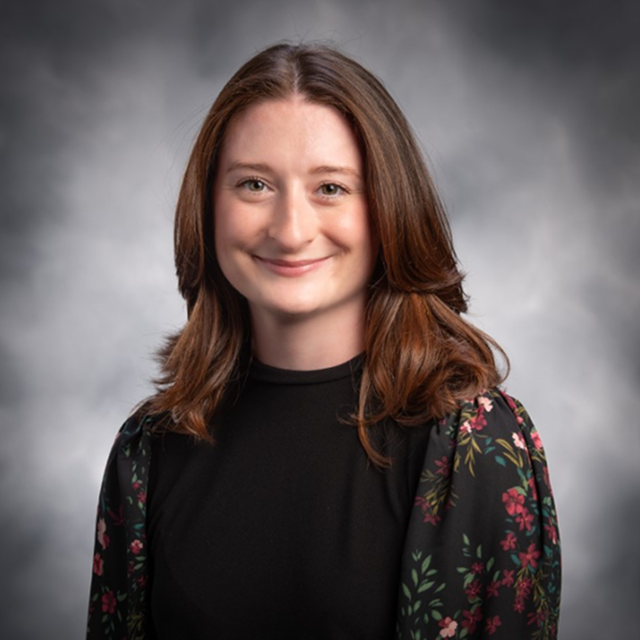
Denise Colbrook
Hometown: Lombard, IL
Undergraduate degree: Associate of Science, Harper College
Pharmacy degree: Doctor of Pharmacy, UIC Retzky College of Pharmacy
Clinical interests: Critical Care, Transplant, Infectious Diseases
Personal interests: Going out to eat and new restaurants, watching reality TV, reading/audio booking, and spending time with my cat Sesame
Major Project: Effect of Midodrine on Systolic Blood Pressure in Post-Kidney Transplant Hypotension
CE Topic: Medication Use and Dosing in Renal Dysfunction
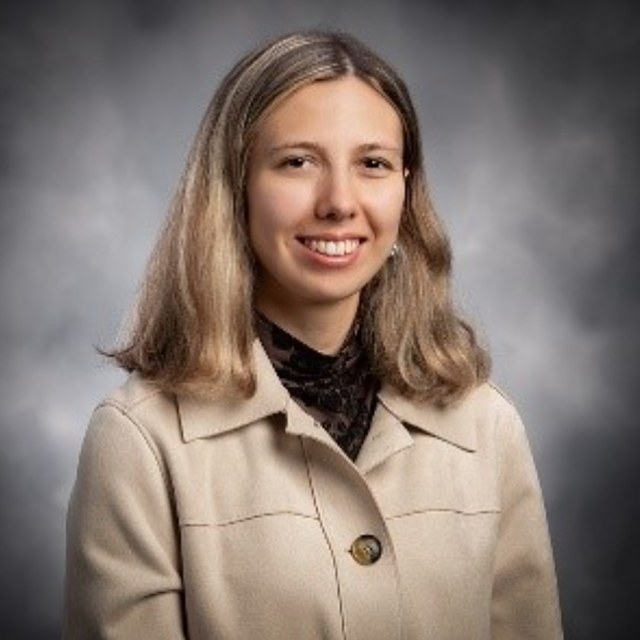
Anna Jakovichtchouk
Hometown: Warren, MI
Undergraduate degree: Bachelor of Science in Health Sciences, Wayne State University
Pharmacy degree: Doctor of Pharmacy, Wayne State University
Clinical interests: Internal Medicine, Anticoagulation
Personal interests: trying new coffee places, learning about history, walking, drawing
Major Project: Evaluation of prothrombin complex concentrate, human-lans use for reversal of bleeding associated with direct factor Xa inhibitors
CE Topic: Novel Agents Used in Antibody Mediated Rejection in Solid Organ Transplant
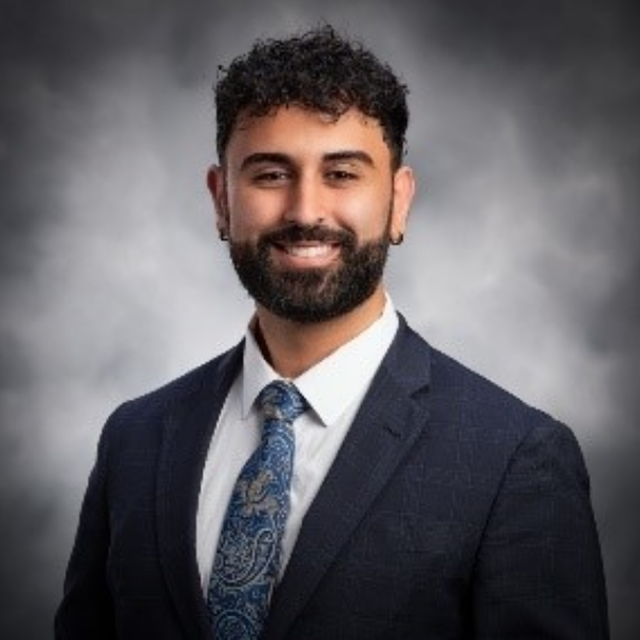
Anthony Moamar
Hometown: Windsor, ON
Undergraduate degree: Bachelor of Science in Biochemistry, University of Windsor
Pharmacy degree: Doctor of Pharmacy, Wayne State University
Clinical interests: Ambulatory Care, Critical Care, Emergency Medicine
Personal interests: Playing ANY sport (especially soccer and volleyball), eating food, devouring chocolate, watching anime
Major Project: Comparison of Renal Dose Adjustments Using Cystatin C Versus Creatinine
CE Topic: Pharmacogenomics in Cardiac Health
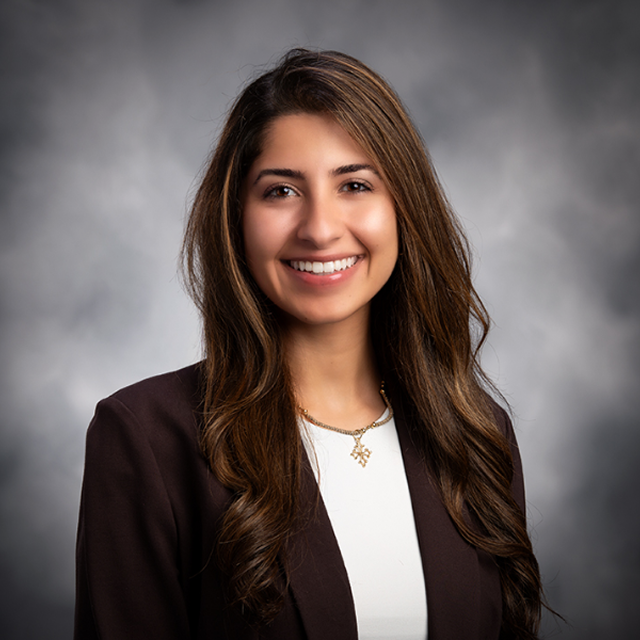
Crissanne “Sunny” Abadir
Hometown: Overland Park, Kansas
Undergraduate degree: Bachelor of Science in Pharmaceutical Studies, University of Kansas
Pharmacy degree: Doctor of Pharmacy, University of Kansas School of Pharmacy
PGY1 Residency: University Health Truman Medical Center, Kansas City, MO
Clinical/Professional Interests: Rheumatology, neurology, infectious diseases
Personal Interests: Trying new coffee shops, cooking, weightlifting, and going on walks
Major Project: Pharmacist-Led Insulin De-Escalation Following Incretin-Based Therapy Initiation in Ambulatory Care
CE Topic: The Future of SLE Treatment – Emerging Therapies and Novel Targets
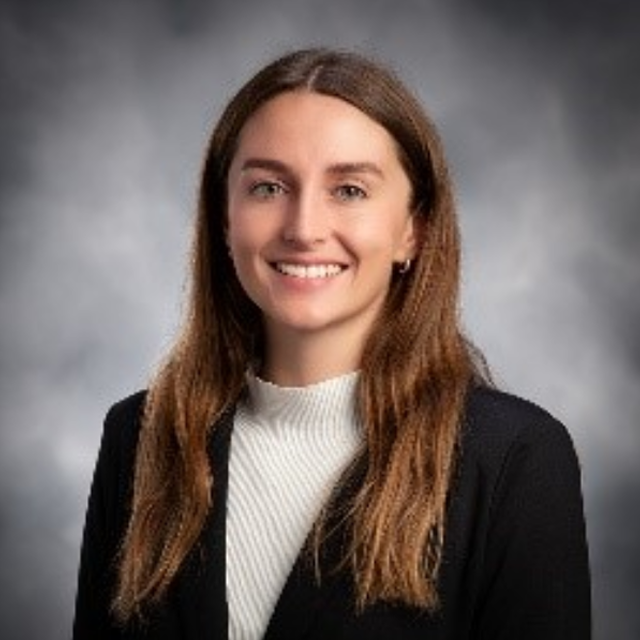
Arianna Jalics
Hometown: Ray, Michigan
Undergraduate degree: N/A
Pharmacy degree: Doctor of Pharmacy, Butler University College of Pharmacy and Health Sciences
PGY1 Residency: Corewell Health William Beaumont University Hospital
Clinical Interests: Critical care and infectious diseases
Personal Interests: Trying new restaurants, running, being outdoors, spending time with family and friends
Major Project: Evaluation of Fomepizole combined with N-acetylcysteine (NAC) versus NAC monotherapy for the Treatment of Acetaminophen Toxicity
CE Topic: Methadone: Playing the Long Game
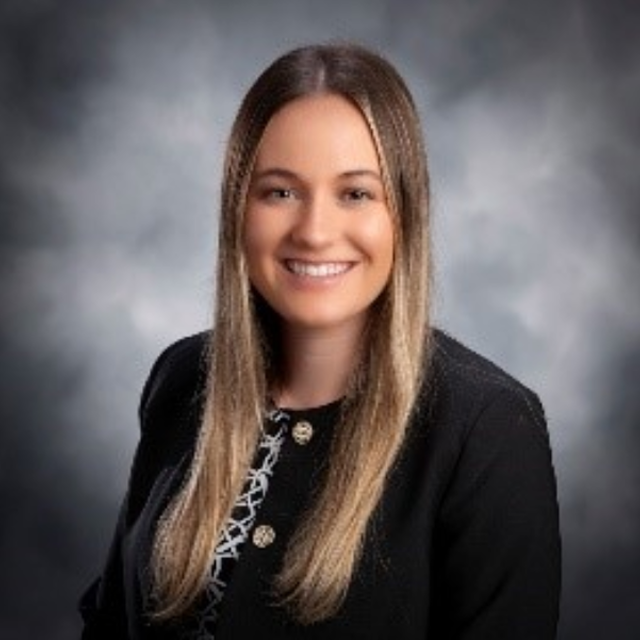
Rachelle Wendt
Hometown: Port Huron, MI
Undergraduate Degree: Bachelor's in Biomolecular Science, University of Michigan
Pharmacy Degree: Doctor of Pharmacy, University of Michigan College of Pharmacy
PGY1 Residency: Corewell Health William Beaumont University Hospital
Clinical Interests: Emergency medicine, toxicology, cardiology
Personal Interests: Traveling, watching football, working out, and playing with my dog, Moose
Major Project: Evaluation of Fluid Resuscitation in Heart Failure Patients with Sepsis in the Emergency Department
CE Topic: Updates to the 2026 Stroke Guidelines
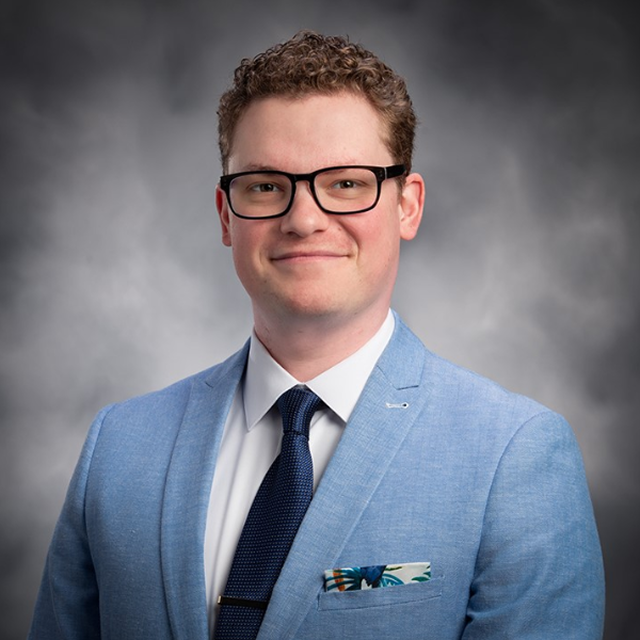
Brendan Bectel
Name: Brendan Bectel
Hometown: Spring Lake, MI
Undergrad Degree: Associate of Science, Ferris State University
Pharmacy Degree: Doctor of Pharmacy, Ferris State University College of Pharmacy
PGY1 Residency: Corewell Health William Beaumont University Hospital
Clinical/Professional Interests: Specialty Pharmacy, Managed Care, Population Health, Administration and Leadership
Personal Interests: Playing darts, playing video games, and spending time with my wife, my friends, and my two cats
Major Project: Development and Implementation of a Technology-Assisted Final Product Verification Program for Pharmacy Technicians
CE Topic: From Technician to Leader: Advancing the Pharmacy Technician Workforce Through Expanded Roles and Career Pathways
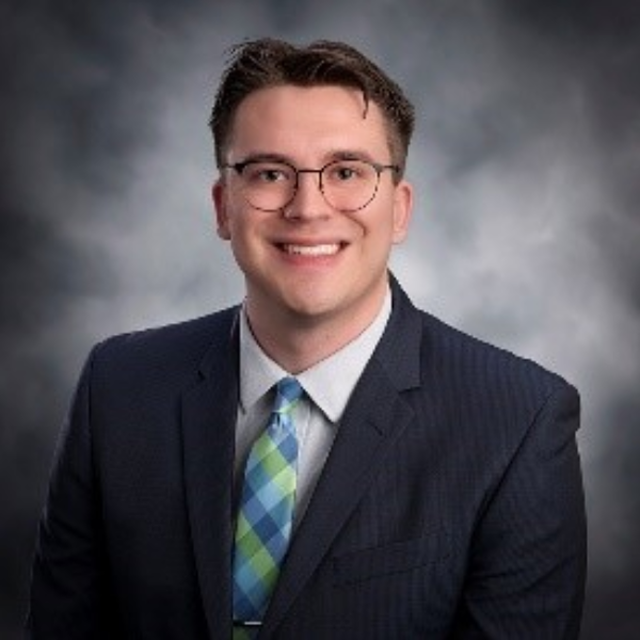
Noah Wegener
Hometown: Caledonia, MI
Undergrad Degree: Bachelor of Science in Health Sciences, University of Alaska Anchorage
Pharmacy Degree: Doctor of Pharmacy, University of Michigan
PGY1 Residency: Corewell Health William Beaumont University Hospital
Clinical/Professional Interests: Gram-negative resistance and the immunocompromised patient population
Personal Interests: Attending concerts, collecting records, and spending time with family/friends and his two cats, Zuko and Sesame
Major Project: Outcomes associated with Antifungal Prophylaxis and FLT3 Inhibitor Drug Interactions in Acute Myeloid Leukemia
CE Topic: Oral antibiotics for bone and joint infections




Residency candidates must be a graduate of a college of pharmacy accredited in the U.S. and must be eligible for licensure in the State of Michigan. Candidates must also register for the Matching Program and have a National Matching Services (NMS) applicant number.
PGY1
PGY2
All application materials must be submitted through Pharmacy Online Residency Centralized Application Service (PhORCAS).
Completed residency packets will be reviewed. Upon favorable review, residency candidates will be contacted to schedule an interview.
When does the residency start?
I am not a US citizen. Are you able to sponsor my visa?
What teaching opportunities are there for residents?
What is the staffing requirement?
What is the licensure policy for residents?
Do you have any helpful information to obtain licensure in Michigan?
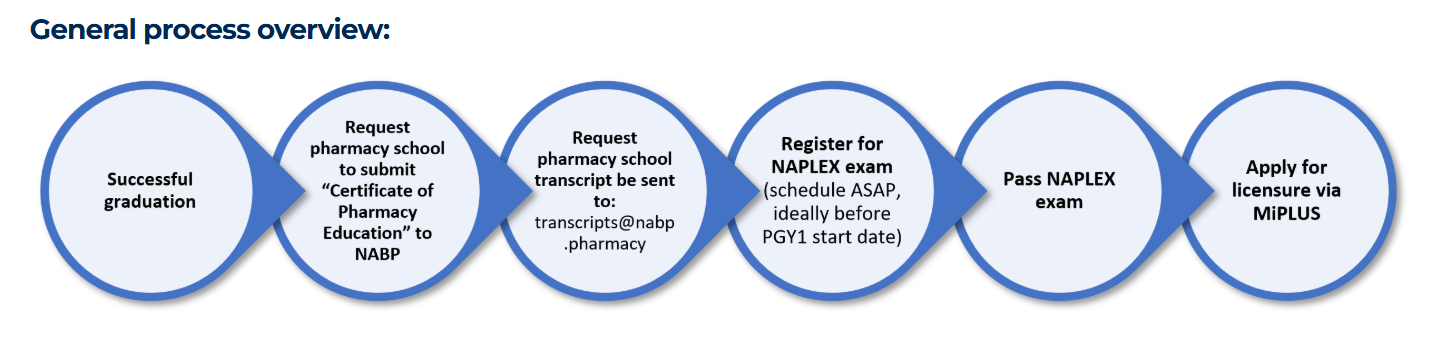
Within 1 week of the match results being released:
What can you tell me about Royal Oak and the surrounding area?
Corewell Health William Beaumont University Hospital is located in the city of Royal Oak, Michigan approximately 15 miles north of Detroit. Located in Oakland County, Royal Oak’s close proximity to major freeways make it a convenient place to work and live. Royal Oak has the appeal of a small town with a growing downtown area. Downtown Royal Oak offers a wide variety of specialty shops, restaurants and entertainment. Many affordable options for housing are available in the surrounding areas.
Birmingham, Clawson, Troy and Berkley are all cities located close to the hospital and are other areas to consider in your housing search.
Local attractions
Royal OakDetroit and Surrounding Area
Our inpatient pharmacy department utilizes an integrative practice model, where pharmacists have responsibilities for both distributive and clinical functions. Advancement of our practice model includes the incorporation of state-of-the-art technological systems and a comprehensive electronic medical record.
Ambulatory care pharmacy services include: anticoagulation, diabetes, transitions of care management, pharmacist clinic (collaborative practice agreement to provide medication management for patients with diabetes, hypertension, hyperlipidemia, asthma/COPD, smoking cessation, etc.) and infectious diseases clinics.
Our residency preceptors are actively engaged in practice, education and scholarship. The majority of preceptors hold adjunct appointments with Wayne State University, Eugene Applebaum College of Pharmacy and Allied Health Professions, the University of Michigan, and/or the Oakland University William Beaumont School of Medicine and enjoy productive collaborative relationships with these key partners.
In recognition of their accomplishments, members of our pharmacy team have received external recognition of excellence at the local, state, and national level. Our preceptors hold fellow status within national professional organizations as well as discipline-specific and specialty board certification.
Additional awards include:
Corewell Health William Beaumont University Hospital has been training pharmacy residents since 1977. All programs are ASHP accredited and allow residents to experience a wide variety of learning experiences with multiple longitudinal and precepting opportunities. The department of pharmacy offers six residency programs: traditional and non-traditional PGY1 pharmacy, PGY1/PGY2 health system pharmacy administration and leadership, PGY2 ambulatory care, PGY2 critical care, PGY2 emergency medicine, PGY2 infectious diseases.
*PGY1 expansions: 1977: 2 residents, 1989: 4 residents, 2011: 6 residents; HSPAL: Health System Pharmacy Administration & Leadership
Carlie Castiglione
Hometown: Northville, MI
Undergraduate degree: Honors Bachelor of Science in Biology, University of Detroit Mercy
Pharmacy degree: Doctor of Pharmacy, University of Michigan
Clinical interests: Critical Care, Emergency Medicine, Infectious Diseases
Personal interests: Refereeing soccer, reading, spending time with family, friends and my cat Meatball
Major Project: Effect of Midodrine on Systolic Blood Pressure in Post-Kidney Transplant Hypotension
CE Topic: HIV and SOT
Aubrey Evers
Hometown: Oregon, OH
Undergraduate degree: Bachelor of Science in Pharmaceutical Sciences, University of Toledo
Pharmacy degree: Doctor of Pharmacy, University of Toledo
Clinical interests: Critical Care, Emergency Medicine, Cardiology
Personal interests: Playing volleyball, reading, spending time with family and friends, cooking new recipes
Major Project: Evaluating Parenteral Anticoagulation and Apixaban Lead-In Therapy for Treatment of Venous Thromboembolism
CE Topic: Post-Op Atrial Fibrillation Prevention and Management
Bianca Lindecker
Hometown: Washington, MI
Undergraduate degree: Bachelor of Science in Health Sciences, Wayne State University
Pharmacy degree: Doctor of Pharmacy, Wayne State University
Clinical interests: Ambulatory Care, Infectious Diseases, Oncology
Personal interests: Reading, exploring nature, spending time with family and friends and her 3 cats
Major Project: Parenteral Nutrition and Bloodstream Infections
CE Topic: Refeeding Syndrome
Vian Khoury
Hometown: Iraq then San Diego, CA
Undergraduate degree: Bachelor of Science in Chemistry with Biochemistry emphasis, San Diego State University
Pharmacy degree: Doctor of Pharmacy, Marshal B Ketchum University College of Pharmacy
Clinical interests: Emergency Medicine, Critical Care, Health-System Pharmacy Leadership
Personal interests: Traveling, cooking, exploring new restaurants, spending time with family and friends, making memories with her dog Lucky
Major Project: What Does Standard of Care Scope of Practice Mean and How is it Being Applied in Other States?
Denise Colbrook
Hometown: Lombard, IL
Undergraduate degree: Associate of Science, Harper College
Pharmacy degree: Doctor of Pharmacy, UIC Retzky College of Pharmacy
Clinical interests: Critical Care, Transplant, Infectious Diseases
Personal interests: Going out to eat and new restaurants, watching reality TV, reading/audio booking, and spending time with my cat Sesame
Major Project: Effect of Midodrine on Systolic Blood Pressure in Post-Kidney Transplant Hypotension
CE Topic: Medication Use and Dosing in Renal Dysfunction
Anna Jakovichtchouk
Hometown: Warren, MI
Undergraduate degree: Bachelor of Science in Health Sciences, Wayne State University
Pharmacy degree: Doctor of Pharmacy, Wayne State University
Clinical interests: Internal Medicine, Anticoagulation
Personal interests: trying new coffee places, learning about history, walking, drawing
Major Project: Evaluation of prothrombin complex concentrate, human-lans use for reversal of bleeding associated with direct factor Xa inhibitors
CE Topic: Novel Agents Used in Antibody Mediated Rejection in Solid Organ Transplant
Anthony Moamar
Hometown: Windsor, ON
Undergraduate degree: Bachelor of Science in Biochemistry, University of Windsor
Pharmacy degree: Doctor of Pharmacy, Wayne State University
Clinical interests: Ambulatory Care, Critical Care, Emergency Medicine
Personal interests: Playing ANY sport (especially soccer and volleyball), eating food, devouring chocolate, watching anime
Major Project: Comparison of Renal Dose Adjustments Using Cystatin C Versus Creatinine
CE Topic: Pharmacogenomics in Cardiac Health
Crissanne “Sunny” Abadir
Hometown: Overland Park, Kansas
Undergraduate degree: Bachelor of Science in Pharmaceutical Studies, University of Kansas
Pharmacy degree: Doctor of Pharmacy, University of Kansas School of Pharmacy
PGY1 Residency: University Health Truman Medical Center, Kansas City, MO
Clinical/Professional Interests: Rheumatology, neurology, infectious diseases
Personal Interests: Trying new coffee shops, cooking, weightlifting, and going on walks
Major Project: Pharmacist-Led Insulin De-Escalation Following Incretin-Based Therapy Initiation in Ambulatory Care
CE Topic: The Future of SLE Treatment – Emerging Therapies and Novel Targets
Arianna Jalics
Hometown: Ray, Michigan
Undergraduate degree: N/A
Pharmacy degree: Doctor of Pharmacy, Butler University College of Pharmacy and Health Sciences
PGY1 Residency: Corewell Health William Beaumont University Hospital
Clinical Interests: Critical care and infectious diseases
Personal Interests: Trying new restaurants, running, being outdoors, spending time with family and friends
Major Project: Evaluation of Fomepizole combined with N-acetylcysteine (NAC) versus NAC monotherapy for the Treatment of Acetaminophen Toxicity
CE Topic: Methadone: Playing the Long Game
Rachelle Wendt
Hometown: Port Huron, MI
Undergraduate Degree: Bachelor's in Biomolecular Science, University of Michigan
Pharmacy Degree: Doctor of Pharmacy, University of Michigan College of Pharmacy
PGY1 Residency: Corewell Health William Beaumont University Hospital
Clinical Interests: Emergency medicine, toxicology, cardiology
Personal Interests: Traveling, watching football, working out, and playing with my dog, Moose
Major Project: Evaluation of Fluid Resuscitation in Heart Failure Patients with Sepsis in the Emergency Department
CE Topic: Updates to the 2026 Stroke Guidelines
Brendan Bectel
Name: Brendan Bectel
Hometown: Spring Lake, MI
Undergrad Degree: Associate of Science, Ferris State University
Pharmacy Degree: Doctor of Pharmacy, Ferris State University College of Pharmacy
PGY1 Residency: Corewell Health William Beaumont University Hospital
Clinical/Professional Interests: Specialty Pharmacy, Managed Care, Population Health, Administration and Leadership
Personal Interests: Playing darts, playing video games, and spending time with my wife, my friends, and my two cats
Major Project: Development and Implementation of a Technology-Assisted Final Product Verification Program for Pharmacy Technicians
CE Topic: From Technician to Leader: Advancing the Pharmacy Technician Workforce Through Expanded Roles and Career Pathways
Noah Wegener
Hometown: Caledonia, MI
Undergrad Degree: Bachelor of Science in Health Sciences, University of Alaska Anchorage
Pharmacy Degree: Doctor of Pharmacy, University of Michigan
PGY1 Residency: Corewell Health William Beaumont University Hospital
Clinical/Professional Interests: Gram-negative resistance and the immunocompromised patient population
Personal Interests: Attending concerts, collecting records, and spending time with family/friends and his two cats, Zuko and Sesame
Major Project: Outcomes associated with Antifungal Prophylaxis and FLT3 Inhibitor Drug Interactions in Acute Myeloid Leukemia
CE Topic: Oral antibiotics for bone and joint infections
Residency candidates must be a graduate of a college of pharmacy accredited in the U.S. and must be eligible for licensure in the State of Michigan. Candidates must also register for the Matching Program and have a National Matching Services (NMS) applicant number.
PGY1
PGY2
All application materials must be submitted through Pharmacy Online Residency Centralized Application Service (PhORCAS).
Completed residency packets will be reviewed. Upon favorable review, residency candidates will be contacted to schedule an interview.
When does the residency start?
I am not a US citizen. Are you able to sponsor my visa?
What teaching opportunities are there for residents?
What is the staffing requirement?
What is the licensure policy for residents?
Do you have any helpful information to obtain licensure in Michigan?
Within 1 week of the match results being released:
What can you tell me about Royal Oak and the surrounding area?
Corewell Health William Beaumont University Hospital is located in the city of Royal Oak, Michigan approximately 15 miles north of Detroit. Located in Oakland County, Royal Oak’s close proximity to major freeways make it a convenient place to work and live. Royal Oak has the appeal of a small town with a growing downtown area. Downtown Royal Oak offers a wide variety of specialty shops, restaurants and entertainment. Many affordable options for housing are available in the surrounding areas.
Birmingham, Clawson, Troy and Berkley are all cities located close to the hospital and are other areas to consider in your housing search.
Local attractions
Royal OakDetroit and Surrounding Area
The purpose of the ASHP-accredited Corewell Health William Beaumont University Hospital post-graduate year one (PGY1) pharmacy residency is to build on doctor of pharmacy (Pharm.D.) education and outcomes to contribute to the development of clinical pharmacists responsible for medication-related care of patients with a wide range of conditions, eligible for board certification, and eligible for postgraduate year two (PGY2) pharmacy residency training.
The PGY1 residency program at Corewell Health William Beaumont University Hospital will foster the development of competent and confident pharmacists. As a member of the health care team, residents will be responsible for providing direct patient care to multiple populations. They will exercise skill in educating health care professionals and patients on medication related topics. Residents will solve practice-related problems in a time sensitive manner through critical thinking skills. Residents will demonstrate professional maturity by following a personal philosophy of practice, monitoring their own performance, exhibiting commitment to the profession and exercising leadership in improving the safety of the medication use system. Lastly, residents will possess the knowledge and leadership skills to promote the advancement of the practice of pharmacy.
The 54 week long residency program is divided into eleven one-month experiences following a month and a half orientation dedicated to operational areas and clinical services. Refer to the "rotations" section for required, selective, and elective learning experiences. PGY1 Residents at Corewell Health William Beaumont University are also required to complete a number of longitudinal requirements.
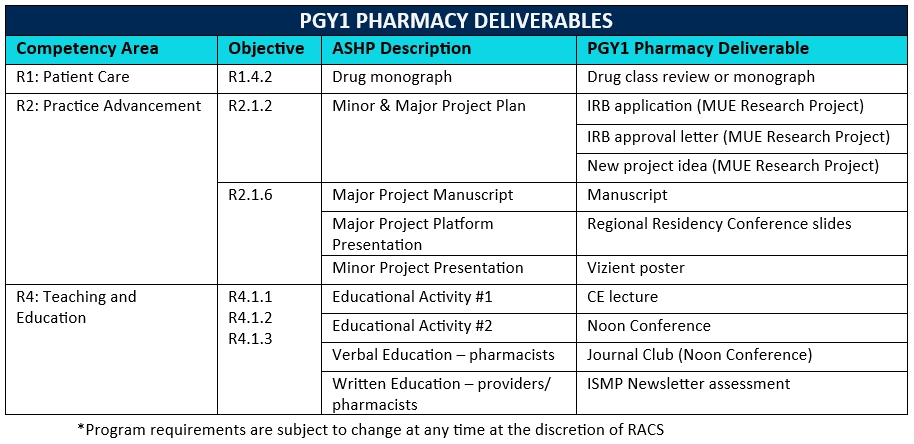
*Approved financial support for travel to conferences is at the discretion of the organization.
The PGY1 residency program at Corewell Health William Beaumont University Hospital consists of seven required learning experiences, at least one selective learning experience, up to three elective learning experiences, and several required longitudinal learning experiences. Residents may repeat any learning experience as an elective (with the exception of orientation and internal medicine). December is a dedicated project month. The current required, selective, elective, and longitudinal learning experiences are outlined below:
| Experience | Length |
| Orientation (Clinical and Operations) | 1 & ½ month |
| Ambulatory Care | 1 month |
| Drug Information | 1 month |
| Integrated Practice Experience | 1 month |
| Internal Medicine | 1 month |
| Practice Management | 1 month |
| Experience | Length |
| Cardiac ICU (CICU) | 1 month |
| Medical ICU (MICU) | 1 month |
| Surgical ICU (SICU) | 1 month |
| Adult Inpatient Rounding Experience (at least 1, select up to 4) | Length |
| Emergency Medicine | 1 month |
ICU (different population)
| 1 month |
| Infectious Disease Consult Service | 1 month |
| Inpatient Hematology/Oncology | 1 month |
| Nutrition Support | 1 month |
| Solid Organ Transplant | 1 month |
| Additional Electives (select up to 3) | Length |
| Academics | 1 month |
| Ambulatory Care 2 | 1 month |
| Antimicrobial Stewardship | 1 month |
| Infectious Diseases Consult Service 2 | 1 month |
| Informatics | 1 month |
| Infusion Center – Sterling Heights | 1 month |
| Investigational Drug Service | 1 month |
| Medication Safety | 1 month |
| Operating Room Pharmacy | 1 month |
| Pediatric ICU (PICU) | 1 month |
| Pediatric Infectious Diseases | 1 month |
| Specialty Pharmacy | 1 month |
| Transitions of Care | 1 month |
NOTE: Corewell Health has multiple residency programs. The traditional PGY1 program based at Corewell Health William Beaumont University Hospital is listed as ASHP program #43600 in the online ASHP Residency Directory. Please ensure you are applying to the desired program.
Residency candidates must be a graduate of a college of pharmacy accredited in the U.S. and must be eligible for licensure in the State of Michigan. Candidates must also register for the Matching Program and have a National Matching Services (NMS) applicant number.
Interested candidates must submit the following materials via PhORCAS:
All application materials must be received by January 2, 2026.
Direct any questions about the PGY1 residency program to:
Allycia Marie, Pharm.D
Clinical pharmacy specialist, critical care
PGY1 residency program director
Corewell Health William Beaumont University Hospital
Department of Pharmaceutical Services
3601 West 13 Mile Rd.,
Royal Oak, MI 48073
Phone: 248.898.5878
Fax: 248.898.4046
The Health-System Pharmacy Administration & Leadership (HSPAL) residency program is designed for our residents to develop the knowledge, skills, and abilities needed for success as a pharmacy leader. The two-year HSPAL residency strives to meet the needs of the resident based on candidate interests and individual goals alongside a combination of required monthly and concurrent longitudinal rotations to provide a robust training program. Residents will have the opportunity to function as valued members of health care teams and will build leadership experience utilizing knowledge and experience gained in operations and clinical services.
Upon completion of the program, residents will have developed the clinical acumen, business knowledge, and professional skills required to become an effective pharmacy leader in any health care organization. The first year is designed to provide a strong clinical foundation with a variety of clinical and non-patient care learning experiences. The second year builds upon the success of the first and provides exposure to managers and leaders in the pharmacy enterprise in financial, medication safety, operational, and clinical management experiences. Graduates of the program will receive a PGY-1 Pharmacy Residency certificate and a PGY-2 Health-System Pharmacy Administration and Leadership Residency certificate.
For specifics on the PGY1 component of the program, please review the PGY1 Pharmacy tab. Successful completion of the PGY1 Pharmacy Residency is required before moving to the PGY2 HSPAL Residency.
Requirements for Successful Completion of the PGY2 HSPAL Residency
PGY1 Learning Experiences – Please review the PGY1 Pharmacy tab
PGY2 Learning Experiences
Licensed pharmacist or eligible for licensure in the State of Michigan (including controlled substance license)
University Hospital is listed as ASHP program #43016 in the online ASHP residency directory. Please ensure you are applying to the desired program.
Residency candidates must be a graduate of a College of Pharmacy accredited in the U.S. and must be eligible for licensure in the State of Michigan. Candidates must also register for the Matching Program and have a National Matching Services (NMS) applicant number.
Interested candidates must submit the following materials via Pharmacy Online Residency Centralized Application Service (PhORCAS):
Direct any questions about the PGY1/PGY2 Health-System Pharmacy Administration & Leadership Residency to:
Richard Taylor, PharmD, MBA
Director of Pharmacy
Program Director - PGY1/PGY2 Health-System Pharmacy Administration & Leadership Residency
Corewell Health William Beaumont University Hospital
3601 West 13 Mile Road
Royal Oak, MI 48073
Brendan Bectel, PharmD, MBA
PGY2 Health-System Pharmacy Administration & Leadership Resident
Corewell Health William Beaumont University Hospital
3601 West 13 Mile Road
Royal Oak, MI 48073
Corewell Health William Beaumont University Hospital offers a twelve-month American Society of Health-System Pharmacists (ASHP) accredited, ambulatory care PGY-2 residency program for one residency candidate. The goals, objectives, and evaluation procedures are established to be consistent with the PGY2 ASHP Standards with ASHP Goals and Objectives focused in ambulatory care. The program allows flexibility to adapt to the needs and interests of the individual resident, while providing a foundation to develop professional ambulatory care practice skills. The program begins on approximately July 1 and is at a minimum 52 weeks in duration.
PGY2 purpose: PGY2 pharmacy residency programs build on doctor of pharmacy (PharmD) education and PGY1 pharmacy residency training to develop pharmacist practitioners with knowledge, skills, and abilities as defined in the educational competency areas, goals, and objectives for advanced practice areas. Residents who successfully complete PGY2 residency programs are prepared for advanced patient care or other specialized positions, along with board certification in the advanced practice area, if available.
Residency description: The PGY2 ambulatory care pharmacy residency at Corewell Health William Beaumont University Hospital provides comprehensive training across diverse areas of ambulatory care. Through a combination of required and elective rotations the resident will develop advanced clinical expertise in ambulatory care pharmacotherapy while strengthening leadership abilities within a multidisciplinary care environment. The program emphasizes effective communication through collaboration with various healthcare providers and patients, and the delivery of both formal and informal presentations. Teaching and precepting skills are fostered through involvement in the layered learning model with pharmacy students and PGY1 residents.
Residents will take full responsibility for the care of each patient served. Residents will provide necessary education for both medical professionals practicing in the outpatient clinic as well as all patients treated. All pharmacotherapy and disease state issues will be addressed and resolved while taking into account potential barriers in the implementation of the pharmacotherapy plan (i.e., patients' socioeconomic status, insurance status, and/or cultural barriers). Residents will practice pharmacy and communicate with other healthcare professionals in a manner that displays commitment to the profession and importance of a clinical specialist in the outpatient setting.
Overview of program requirements: The PGY-2 ambulatory care resident must meet the requirements for employment at Corewell Health as well as:
Criteria for Certificate:
The PGY-2 ambulatory care residency program strives to meet the needs of the resident based on previous PGY-1 residency experience, interests, and individual goals of the candidate. The residency program is divided into four 3-month blocks, with the first block devoted to orientation to the diabetes, outpatient clinic anticoagulation service, high-risk OB, pharmacist, and discharge transition clinics (orientation-outpatient clinics). This allows the resident to establish a presence and build a rapport with the nursing and physician staff as well as with patients of the outpatient clinic.
Based on resident’s interest and individual training plan, the resident can choose up to 2 elective learning experiences during the 2nd, 3rd, and 4th quarters. All elective experiences are longitudinal. The resident will maintain a longitudinal practice in the core longitudinal clinics (diabetes, outpatient clinic anticoagulation service, internal medicine, and discharge transition clinics) as well as the core pharmacist clinic.
The sequence of learning experiences is dependent upon preceptor availability.
2025
Min Ji Park, PharmD
First position after residency: Pharmacy specialist in anticoagulation, Christiana Care, Delaware
2024
Alanah Bratley, PharmD, BCACP
First position after residency: Ambulatory care clinical specialist, Henry Ford Health Systems, Michigan
2023
Chelsea Dezfuli, PharmD, BCACP
First position after residency: Ambulatory care pharmacy specialist, Yale New Haven, Connecticut
2022
Randi Katz, PharmD, BCACP, BCPS
First position after residency: Ambulatory care pharmacist, Henry Ford Genesys, Michigan
2021
Patricia Lee, PharmD, BCACP
First position after residency: Ambulatory care clinical specialist, Henry Ford Health Systems, Michigan
2020
Bianca Mayzel, PharmD, BCACP
First position after residency: Ambulatory care pharmacist internal medicine, Cleveland Clinic, Ohio
2019
Kaylin Braekevelt, PharmD , BCACP
First position after residency: Clinical pharmacist, Blue Cross Blue Shield of Michigan, Michigan
2018
Katie Kish, PharmD, BCACP
First position after residency: Primary care clinical pharmacy specialist, Cleveland Clinic, Ohio
2017
Whitney Aultman, PharmD, BCACP
First position after residency: Ambulatory care clinical pharmacist with State of Franklin Healthcare Associates and assistant professor with East Tennessee State University Bill Gatton College of Pharmacy, Tennessee
2016
Nadia Aneese, PharmD, BCACP
First position after residency: Ambulatory care clinical specialist, Corewell Sterling Heights Family Medicine Center, Michigan
2015
Jenny Lin (Leung), PharmD, BCACP
First position after residency: Ambulatory care clinical specialist, Henry Ford Health System, Michigan
2014
Adina Feng, PharmD, BCACP
First position after residency: Ambulatory care clinical specialist, Henry Ford Health System, Michigan
2013
Elaine Ng, PharmD, BCACP
First position after residency: Anticoagulation specialist, Northshore University Health System, Illinois
2012
Jiz Thomas, PharmD, BCACP
First position after residency: Pharmacist, INMED Program, Honduras
2011
Holly Chiu, PharmD, BCACP
First position after residency: Ambulatory care clinical specialist, Beaumont Hospital, Royal Oak, Michigan
2010
Deborah Virant-Young, PharmD, BCACP
First position after residency: Assistant clinical professor of pharmacology and toxicology, Michigan State University, College of Osteopathic Medicine, Michigan
2009
Kristina Rowley, PharmD, BCACP, CDCES
First position after residency: Assistant professor-Ferris State University with a clinical appointment at Michigan State University/Kalamazoo Center for Medical Studies, Michigan
2007
Ericka Ridgeway, PharmD, BCACP, CDCES
First position after residency: Ambulatory care clinical specialist, Trinity Health Oakland, Michigan
2002
Colleen Lauster, PharmD, BCPS, CDCES
First position after residency: Clinical specialist, internal medicine, Beaumont Hospital, Royal Oak, Michigan
2001
Sarah Muench, PharmD, BCACP, CDCES
First position after residency: Clinical specialist, ambulatory care, Beaumont Hospital, Royal Oak, Michigan
Residency candidates must be a graduate of a college of pharmacy accredited in the United States and must be eligible for licensure in the State of Michigan. Candidates must have successfully completed an ASHP accredited PGY-1 residency. In addition, candidates must register for the ASHP Matching Program and have a National Matching Services (NMS) applicant number.
Interested candidates must submit the following information via Pharmacy Online Residency Centralized Application Service (PhORCAS):
Deadline for applications: January 5, 2026.
Completed residency packets will be reviewed. Upon favorable review, residency candidates will be contacted to schedule an interview.
Sarah Muench, PharmD, BCACP, CDCES
Clinical pharmacy specialist, ambulatory care
Residency program director, PGY2 ambulatory care
Phone: 248.551.7594
Fax: 248.898.4046
Crissanne “Sunny” Abadir, PharmD
PGY2 Ambulatory Care resident
Phone: 248.551.7594
Fax: 248.898.4046
PGY2 pharmacy residency programs build on Doctor of Pharmacy (Pharm.D.) education and PGY1 pharmacy residency programs to contribute to the development of clinical pharmacists in specialized areas of practice. PGY2 residencies provide residents with opportunities to function independently as practitioners by conceptualizing and integrating accumulated experience and knowledge and incorporating both into the provision of patient care or other advanced practice settings. Residents who successfully complete an accredited PGY2 pharmacy residency are prepared for advanced patient care, academic, or other specialized positions, along with board certification, if available.
The PGY2 critical care pharmacy residency program is at a minimum of 52 weeks in duration and begins with a month of orientation dedicated to training in operational areas and clinical services. Residency start date is approximately July 1. The program can be structurally divided into 3 components: individual learning experiences, longitudinal requirements, and weekend staffing. Non-longitudinal learning experiences are generally one calendar month in duration. Adjustments to rotation lengths may be made at the discretion of the Residency Program Director to individualize the resident’s training plan. Learning experience start and end dates will be documented in PharmAcademic.
The PGY2 critical care pharmacy resident will complete 10 required learning experiences and 2 elective learning experiences. Any required or elective learning experience may be repeated a second time as an elective. The sequence of learning experiences is dependent upon preceptor availability and resident requests for learning experiences prior to midyear clinical meeting.
The resident must meet the following requirements for employment at Corewell Health as the PGY-2 critical care resident:
| PGY2 Critical Care Pharmacy Residency Criteria for Certificate |
|---|
| Maintain State of Michigan Pharmacist Licensure and Controlled Substance throughout the residency year |
| Active certification in Basic Life Support |
| Active certification in Advanced Cardiac Life Support |
| Active participation and support of residency recruitment activities |
| Complete Research I |
| Complete Research II |
| Attend and present research project at the following required meetings: ASHP Midyear Clinical Meeting (MUE) and National Conference (Research) |
| Deliver pharmacy noon conference presentations (2) |
| Deliver Critical Care/Emergency Medicine/Infectious Diseases Journal Club presentations (4) |
| Deliver Critical Care formal presentations (4) |
| Develop and deliver a one-hour accredited CE presentation (1) |
| Consistent documentation of interventions (IVents, error safety reports) |
| Meet staffing requirements for the duration of residency: every 3rd weekend, one major holiday, and one minor holiday |
| Complete the on-call service requirements (score of SP or ACH on all objectives in the final On-Call Learning Experience evaluation) |
| Complete final MUE research project manuscript with submission to and approval of the Residency Project Subcommittee (final score of SP or ACH) |
| Upload all pertinent residency documents to the “Files” tab in the PGY2 Critical Care PharmAcademic quarterly |
| Participate in a hospital committee |
| Participate in the creation, update, or modification of a policy, procedure, or guideline |
| Complete the PGY2 Core Areas or Types of Patient Care Experiences for Critical Care |
| No educational objectives with a final score of “Needs Improvement” |
| A mark of “Achieved” on ≥ 90% of program educational objectives |
| Required Rotations | Preceptor |
|---|---|
| Cardiac ICU (1 month) | Jenna Holzhausen, PharmD, BCPS |
| Medical ICU I (1 month) | Jim Winegardner, PharmD, BCPS, BCCCP |
| Medical ICU II (1 month) | Jim Winegardner, PharmD, BCPS, BCCCP |
| Surgical ICU I* (1 month) | Allycia Marie, PharmD |
| Surgical ICU II* (1 month) | Lisa Hall Zimmerman, PharmD, BCPS, BCNSP, BCCCP, FCCM, FCCP |
| Surgical ICU III* (1 month) | Katie Bassil, PharmD |
| Nutrition / Metabolic Management (1 month) | Sandra Kless, PharmD, BCNSP |
| Emergency Medicine – I (1 month) | Grant Morgan, PharmD, BCPS, BCEMP |
| Orientation / Research (1 month) | Lisa Hall Zimmerman, PharmD, BCPS, BCNSP, BCCCP, FCCM, FCCP |
| Elective Rotations | Preceptor |
| Emergency Medicine – II (1 month) | Grant Morgan, PharmD, BCPS, BCEMP |
| Infectious Diseases (1 month) | Xhilda Xhemali, PharmD, BCIDP Christy Yost, PharmD, BCIDP |
| Medical Toxicology (1 month) | Brandtly Yakey, DO |
| Pediatric ICU (1 month) | Venna Rajanna, MS, PharmD, BCPS, BCPPS |
| Solid Organ Transplant (1 month) | Shaina Kalasho Banerian, PharmD |
*SICU ICU rotations include an ICU in each of the following:
Orientation will take place during the month of July. The resident will spend time orienting to Corewell Health System and the department of pharmacy. Time will be spent with both pharmacy staff and specialists. The resident will be provided training in the use of the department’s computer system (EPIC), staffing on 6CN satellite, the dosing service, and other duties necessary to function as a pharmacist and a resident within the department.
The medical critical care rotation is a required learning experience for the critical care resident. This rotation is completed on the medical intensive care unit, and at least two MICU rotations are required for the critical care resident during the residency year. The overall goal of this rotation is to develop the resident’s skills in identifying and resolving drug-related problems in the critically ill using evidence-based primary literature in the area of critical care therapeutics. The resident will become the lead pharmacist on the medical intensive care unit team, and will assume all responsibilities of the rounding pharmacist. Residents may be involved in precepting doctor of pharmacy students, baccalaureate pharmacy students, or pharmacy practice residents.
This surgical critical care rotation is one of three possible rotations available to meet the required two SICU rotations during the residency year. The rotation focuses on providing pharmaceutical care to the patients on 3 East, a 20-bed unit caring for patients from a variety of surgery services including: transplant surgery, general surgery, vascular surgery, thoracic surgery and others. All patients undergoing renal & hepatic transplants are cared for on this unit post-operatively. The resident will participate in daily multidisciplinary rounds and will identify and resolve actual and potential drug related problems in the SICU. The resident will be responsible for all pharmacokinetic dosing and precepting graduate pharmacy students or PGY-1 residents if applicable. During the month, the resident will meet with the preceptor as needed to discuss patient cases, interventions, and therapeutic topics. The rotation allows the resident to promote adherence to institution-developed guidelines, pathways and algorithms for a variety of disease states and drugs. The resident will present one case presentation or topic discussion to the pharmacy staff as well as one inservice to the surgical residents.
This cardiac critical care rotation is an elective rotation for the PGY2 critical care resident. The rotation focuses on providing pharmaceutical care to the patients on 6 East, a 20-bed intensive care unit caring for patients with a variety of cardiovascular disease states. Some of the most common admission diagnoses include: acute decompensated heart failure, acute coronary syndrome (ACS), cardiogenic shock, and various arrhythmias. The resident will participate in daily multidisciplinary rounds and work closely with the medical team to identify and resolve actual and potential drug-related problems in the CICU. The resident will also be responsible for pharmacokinetic dosing and precepting of pharmacy students or PGY-1 residents, if applicable, and will meet with the preceptor regularly to discuss patient cases, interventions, and therapeutic topics. One case presentation or topic discussion to the pharmacy staff and at least one in-service to the medical team will be completed by the resident prior to rotation completion.
This surgical critical care rotation is one of three possible rotations available to meet the required two SICU rotations during the residency year. The rotation focuses on providing pharmaceutical care to the patients on 2 East, a 20-bed unit caring for patients from a variety of surgery services including: cardiothoracic surgery, general surgery, vascular surgery, thoracic surgery, and others. All cardiothoracic surgery patients are cared for peri-operatively on this unit. The resident will participate in daily multidisciplinary rounds and will identify and resolve actual and potential drug-related problems in the SICU. The resident will be responsible for all pharmacokinetic dosing and precepting graduate pharmacy students or PGY-1 residents if applicable. During the month, the resident will meet with the preceptor as needed to discuss patient cases, interventions and therapeutic topics. The rotation allows the resident to promote adherence to institution-developed guidelines, pathways, and algorithms for a variety of disease states and drugs. The resident will present one case presentation or topic discussion to the pharmacy staff as well as one in-service to the surgical residents.
This surgical critical care rotation is one of three possible rotations available to meet the required two SICU rotations during the residency year. The rotation focuses on providing pharmaceutical care to the patients on 5 East, a 20-bed unit caring for patients from a variety of surgery services including: neurosurgery, trauma surgery, general surgery, vascular surgery, thoracic surgery, and others. All major trauma and neurologic injury patients are cared for peri-operatively on this unit. The resident will participate in daily multidisciplinary rounds and will identify and resolve actual and potential drug-related problems in the SICU. The resident will be responsible for all pharmacokinetic dosing and precepting graduate pharmacy students or PGY-1 residents if applicable. During the month, the resident will meet with the preceptor as needed to discuss patient cases, interventions, and therapeutic topics. The rotation allows the resident to promote adherence to institution-developed guidelines, pathways, and algorithms for a variety of disease states and drugs. The resident will present one case presentation or topic discussion to the pharmacy staff as well as one in-service to the surgical residents.
The residency project research month is a mandatory learning experience for the PGY-2 resident and is usually completed during the month of December. The main goals of the residency research project are to provide the resident with experience in 1) conducting a complete research project, 2) giving a presentation at a regional pharmacy conference, and 3) preparing a manuscript for submission to a professional journal. Projects at Corewell Health Hospital, Royal Oak are chosen for their 1) relevance to the current practice of pharmacy, 2) ability to be completed during the residency year, and 3) impact on patient care. The resident will not only experience the process of project development, implementation, and analysis but to also see that all their hard work will be utilized to further patient care and/or advance the provision of pharmaceutical services.
Infectious diseases rotation is an elective learning experience for the PGY-2 resident, and will be rounding with the ID team providing recommendations that ensure safe and effective use of antimicrobials. The resident will be responsible for identifying and resolving drug related problems in the patients assigned to them. They will also become familiar with key articles in the infectious diseases literature and use primary literature to support their desired interventions when appropriate. Residents completing the rotation will have the understanding of microbiology, pharmacokinetics, and pharmacodynamics of antimicrobial therapy. Residents will also be expected to demonstrate excellent communication skills with the medical team and the pharmacy staff, and may have an active role in precepting doctor of pharmacy students concurrently on the ID rotation.
The nutrition support rotation is a required learning experience for the PGY-2 resident. The Nutrition Support Service (NSS) is a multi-disciplinary team of nurses, pharmacists, and physicians responsible for monitoring all adult total parenteral nutrition (TPN) patients which consists of a significant subset of surgical ICU patients. The PGY-2 resident will be the lead pharmacist responsible for ensuring optimized nutrition therapy by promoting safe and cost-effective use of parenteral and enteral nutrition and to minimize inherent complications. The resident will round with a member of the NSS team on a daily basis and attend formal rounds with the attending physician twice weekly. Residents may be involved in precepting doctor of pharmacy students, pharmacy practice residents, and dietetic interns.
Transplant is a required learning experience for the PGY-2 resident. The multidisciplinary transplant team consists of a nurse practitioner, surgical residents, attending nephrologists, hepatologists, and surgeons, as well as inpatient and outpatient nurses. The pharmacy resident will work with the team to identify and resolve medication-related issues in patients with end-stage renal or hepatic disease and those with a history of a solid organ transplant. The resident will also assist in transitioning new transplant recipients to the outpatient clinic by providing medication-related counseling. In addition to daily laboratory value monitoring, chart reviews, and participation in team rounds, the resident will also conduct topic discussions, deliver case presentations, and perform educational reviews for the team. Additionally, the resident may gain teaching experience by co-precepting doctor of pharmacy students and/or PGY-1 residents.
The academics rotation is an elective learning experience for PGY-2 residents. Residents will spend their time between Corewell Health Hospital and the Eugene Applebaum College of Pharmacy and Health Sciences (EACPHS) located in Detroit, MI. The rotation is structured to provide residents with insight into academia as a potential career path. Residents will gain an understanding of the different philosophies of teaching and pedagogy, the different types of faculty positions, the infrastructure of an academic program/college, and challenges facing academia. The preceptor will meet with residents prior to the rotation in order to gauge resident interest in different opportunities which may be available. The rotation activities list will be individualized and finalized after this meeting occurs. The resident must devise efficient strategies for accomplishing the required activities. When there is a doctor of pharmacy student on the rotation concurrently, the resident will have an active role in precepting the student and facilitate the topic discussions prepared by the student.
Pediatric ICU is an elective patient care rotation for the PGY-2 resident. During this rotation the resident will be expected to be involved in all aspects of pharmacotherapy and to provide direct patient care for selected patients in the pediatric intensive care unit. The resident will work with the medical team to identify, present, and resolve medication therapy issues in the pediatric critical care setting. In addition, the PGY-2 resident will also be required to understand the operations within the pediatric pharmacy satellite, precept any pharmacy students on rotation, and provide education to pediatric pharmacy staff, pediatric ICU nursing staff, and the medical team. The resident may be asked to also complete a pediatrics/pediatric ICU related project during this rotation.
The neonatal ICU rotation is an elective patient care rotation for the PGY-2 resident. The resident will be involved in all aspects of pharmacotherapy and provide direct patient care for infants on the medical resident service in the neonatal intensive care unit. The resident will assume responsibilities of the rounding pharmacist and work with the medical team to identify, present, and resolve medication therapy issues for neonatal patients. In addition, the PGY-2 resident will also be required to understand the operations within the pediatric pharmacy satellite with regards to verifying and dispensing medications for neonatal patients as well as to provide education to the medical resident team and medical students.
The medication safety rotation is longitudinal learning experience for the PGY-2 resident. This rotation will provide residents the opportunity to gain experience with evaluation of both internally- and externally-identified sources of actual or potential medication safety concerns, action plan development, and implementation of system safety measures where applicable. There will be topic discussions throughout the year based on assigned readings, for which the resident is expected to be well-prepared. Residents may be actively involved in the monthly medication safety committee meeting throughout the year.
Lisa Hall Zimmerman, PharmD, BCPS, BCNSP, BCCCP, FCCM, FCCP
Clinical pharmacist specialist | Surgical ICU – General Surgery, ECMO, transplant
Program director, PGY2 critical care pharmacy residency
Corewell Health William Beaumont University Hospital
Department of pharmaceutical services
3601 West 13 Mile Road
Royal Oak, MI 48073
Phone: 248.898.9219
The PGY2 emergency medicine pharmacy residency program at Corewell Health William Beaumont University Hospital consists of 12 months of emergency medicine and critical care training experiences. The PGY2 emergency medicine pharmacy residency program is accredited by the American Society of Health-System Pharmacists (ASHP). The goals, objectives, and evaluation procedures are established to be consistent with the PGY2 ASHP standards with ASHP goals and objectives focused in emergency medicine. The program allows flexibility to adapt to the needs and interests of the individual resident, while providing a foundation to develop professional emergency medicine practice skills.
PGY2 pharmacy residency programs build on doctor of pharmacy (PharmD) education and PGY1 pharmacy residency programs to contribute to the development of clinical pharmacists in specialized areas of practice. PGY2 residencies provide residents with opportunities to function independently as practitioners by conceptualizing and integrating accumulated experience and knowledge and incorporating both into the provision of patient care or other advanced practice settings. Residents who successfully complete an accredited PGY2 pharmacy residency are prepared for advanced patient care, academic, or other specialized positions, along with board certification, if available.
Overview of program requirements
The resident must meet the following requirements for employment at Corewell Health William Beaumont University Hospital as the PGY-2 emergency medicine resident:
| Criteria for Certificate Completion |
|---|
| Maintain State of Michigan Pharmacist Licensure and Controlled Substance throughout the residency year |
| Active certification in Basic Life Support for duration of residency |
| Active certification in Advanced Cardiac Life Support for duration of residency |
| Complete/maintain active Pediatric Advanced Life Support within 180 days of start date |
| Active participation and support of residency recruitment activities |
| Complete Research I |
| Complete Research II |
| Present MUE at ASHP Midyear Clinical Meeting |
| Attend and present research project at the following required meetings: ASHP Midyear Clinical Meeting (MUE), National conference (research) |
| Complete all scheduled pharmacy Noon Conference presentations (2) |
| Deliver Critical Care/Emergency Medicine/Infectious Diseases Journal Club Presentations (4) |
| Deliver Emergency Medicine Grand Rounds (4) |
| Develop and deliver a one-hour accredited CE presentation (1) |
| Complete staffing requirements for duration of residency every 3rd weekend in the Emergency Department, one major and one minor holiday |
| Complete the on-call service requirements (score of SP or ACH on all objectives in final On-Call Learning Experience evaluation) |
| Complete final MUE research project manuscript with submission to and approval of Residency Project Subcommittee (final score of SP or ACH) |
| Upload all pertinent residency documents to “Files” tab in the PGY2 Emergency Medicine SharePoint site quarterly |
| Participate in a hospital committee |
| Participate in a policy, procedure, or guideline |
| Complete the PGY2 Core Areas or Types of Patient Care Experiences for Emergency Medicine |
| No objectives with a final score of Needs Improvement (NI) |
| A mark of Achieved for Residency (ACHR) on ≥ 90% of program objectives (minimum of 35 of 39 objectives) |
Below is a list of completed residency projects by past residents:
2023-2024
Hemodynamic Impact of Etomidate versus Ketamine for Rapid Sequence Intubation in Normotensive Patients. Austin Lake, Rebecca Valean, Grant Morgan, Lisa Hall Zimmerman
The PGY-2 emergency medicine residency program strives to meet the needs of the resident based on previous PGY-1 residency experience, interests, and individual goals of the candidate.
Required learning experiences
Elective learning experiences
Required longitudinal learning experiences
| Rotations | Rotation Preceptor |
|---|---|
| Orientation/Research | Lisa Hall Zimmerman, PharmD, BCPS, BCNSP, BCCCP, FCCM, FCCP Grant Morgan, BCPS, BCEMP |
| Emergency Medicine Operations, Adult Medicine, Antimicrobial Stewardship I | Grant Morgan, BCPS, BCEMP |
| Emergency Medicine Adult Medicine, Antimicrobial Stewardship II | Grant Morgan, BCPS, BCEMP |
| Emergency Medicine Critical Care I | Grant Morgan, BCPS, BCEMP |
| Emergency Medicine Critical Care II | Grant Morgan, BCPS, BCEMP |
| Emergency Medicine General Surgery/Trauma | Grant Morgan, BCPS, BCEMP |
| Medical Toxicology | Bradley Yakey, MD, Wayne State University Lisa Hall Zimmerman, PharmD, BCPS, BCNSP, BCCCP |
| Medical ICU | Jim Winegardner, PharmD, BCPS, BCCCP |
| Cardiac ICU | Jenna Holzhausen, PharmD, BCPS |
| Surgical ICU, Neuro / Trauma | Allycia Marie, PharmD |
| Infectious Diseases | Christy Yost, PharmD, BCIDP |
| Pediatric ICU | Veena Rajanna, MS, PharmD, BCPS, BCPPS |
| Longitudinal Emergency Medicine Pharmacy Service | Grant Morgan, BCPS, BCEMP |
| Longitudinal Education | Lisa Hall Zimmerman, PharmD, BCPS, BCNSP, BCCCP, FCCM, FCCP |
| Longitudinal Pharmacy Oncall Service | Lisa Hall Zimmerman, PharmD, BCPS, BCNSP, BCCCP, FCCM, FCCP |
| Longitudinal Leadership, Committee, Policy | Grant Morgan, BCPS, BCEMP |
| Longitudinal Research I, Research II, and Manuscript | Lisa Hall Zimmerman, PharmD, BCPS, BCNSP, BCCCP, FCCM, FCCP |
Residency candidates must be a graduate of a college of pharmacy accredited in the United States and must be eligible for licensure in the State of Michigan. Candidates must have successfully completed an ASHP accredited PGY-1 residency. In addition, candidates must register for the Matching Program and have a National Matching Services (NMS) applicant number.
Interested candidates must submit the following information via Pharmacy Online Residency Centralized Application Service (PhORCAS):
Deadline for applications: January 2nd.
Completed residency packets will be reviewed. Residency candidates will be contacted to schedule an interview
Grant Morgan, PharmD, BCPS, BCEMP
Clinical Pharmacist Specialist | Emergency Medicine
Program Director – PGY2 Emergency Medicine Pharmacy Residency
Corewell Health William Beaumont University Hospital
Department of Pharmaceutical Services
3601 West 13 Mile Road
Royal Oak, MI 48073
Phone: 248.898.9219
Corewell Health William Beaumont University Hospital offers an ASHP-accredited infectious diseases PGY2 residency program for one residency candidate. The program begins on approximately July 1 and is at a minimum 52 weeks in duration.
The residency is tailored to the individual resident’s background, interests, and professional goals, offering flexibility while ensuring a strong foundation in infectious diseases and antimicrobial stewardship. Previous experience and identified strengths and areas for growth are considered when designing the resident’s learning plan, supporting optimal development throughout the residency year.
PGY2 residency programs build upon Doctor of Pharmacy (PharmD) education and PGY1 pharmacy residency training to develop pharmacist practitioners with knowledge, skills, and abilities as defined in the educational competency areas, goals, and objectives for advanced practice areas. Residents who successfully complete PGY2 residency programs are prepared for advanced patient care or other specialized positions, and board certification in the advanced practice area, if available.
The resident must meet the following requirements for employment at Corewell Health William Beaumont University Hospital as the PGY-2 infectious diseases pharmacy resident:
PGY2 infectious diseases pharmacy residency criteria for certificate
The PGY2 infectious diseases residency program can be structurally divided into 3 components; individual learning experiences (required and elective), longitudinal learning experiences, and weekend staffing. Non-longitudinal learning experiences are generally one calendar month in duration. Our program strives to maximize individual growth and development during the year through the use of our advisor program.
The PGY2 ID resident will complete 8 required learning experiences, 7 longitudinal required learning experiences, and 3 elective learning experiences. Any required or elective learning experience may be repeated a second time as an elective (with the exception of microbiology/infection prevention and epidemiology). The sequence of learning experiences is dependent upon preceptor availability and resident requests for particular learning experiences prior to midyear clinical meeting. Additionally, the infectious diseases consult service, and the microbiology/infection prevention and epidemiology learning experiences are scheduled prior to December. The PGY2-ID resident will utilize the month of December for research purposes.
Christine Yost, PharmD, BCIDP
Clinical pharmacy specialist | Infectious diseases
Program director, PGY2 infectious diseases pharmacy residency
Corewell Health William Beaumont University Hospital
Department of pharmaceutical services
3601 West 13 Mile Road
Royal Oak, MI 48073
Noah Wegener, PharmD
PGY2 Infectious Diseases Pharmacy Resident
Corewell Health William Beaumont University Hospital
3601 West 13 Mile Road
Royal Oak, MI 48073