
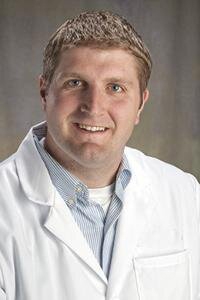
Brian Felice, MD
Director of community engagement
OUWB-BH Clinical liaison for UGME Community Service Activities
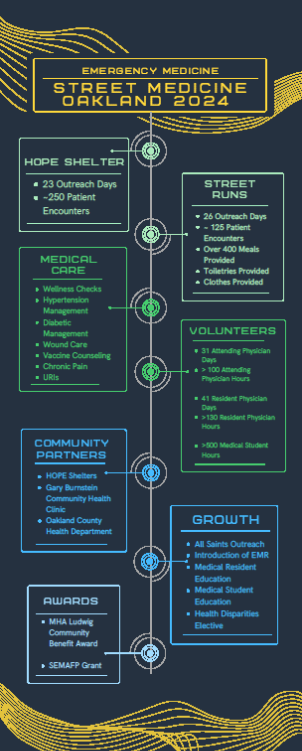
Street Medicine Oakland is a collaboration between the Royal Oak emergency department and OUWB School of Medicine that aims to bring medical care to the underserved and homeless population in Oakland County. Since 2019, attending emergency physicians from both Royal Oak and Troy have been volunteering and supervising medical students on a weekly basis both in the HOPE Shelter in Pontiac and directly on the streets of Pontiac and Royal Oak. By serving in this capacity, we have been able to bridge the healthcare gap and help under-resourced patients navigate the healthcare system and become connected with other community partners to continue care.
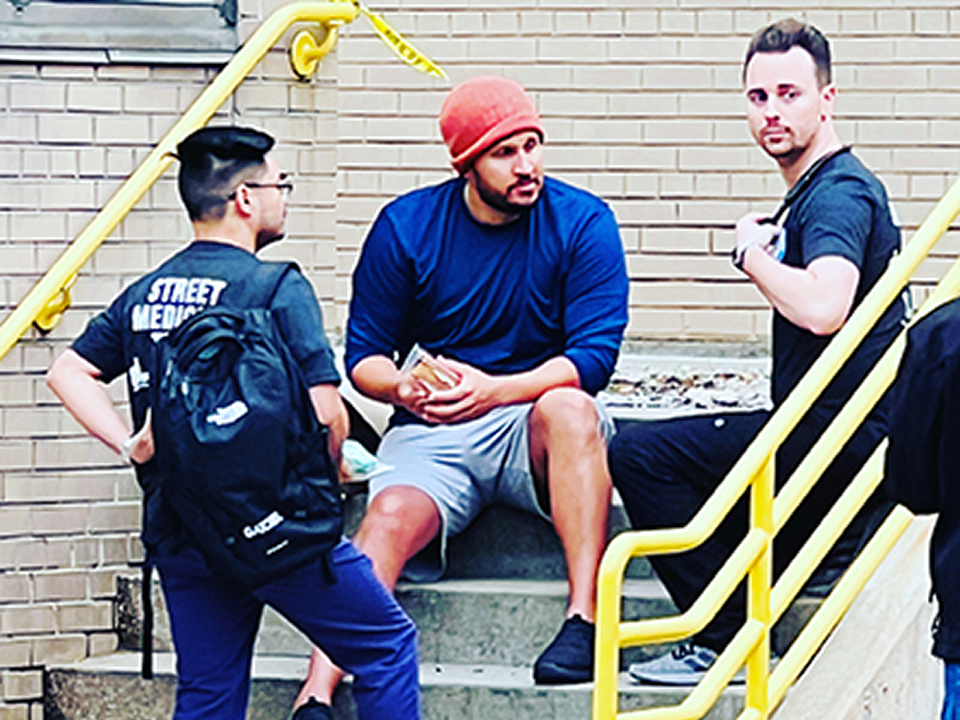
Beginning in January of 2021, in conjunction with our healthcare disparities longitudinal curriculum we began to include resident physician volunteers with the HOPE shelter outreach twice monthly. During this volunteer activity resident physicians supervise medical students and care for patients that are staying at the HOPE shelter in a clinic-based format. This gives our emergency medicine residents the opportunity to recognize the barriers of care that our patients face and provide free medical care outside the confines of the hospital.
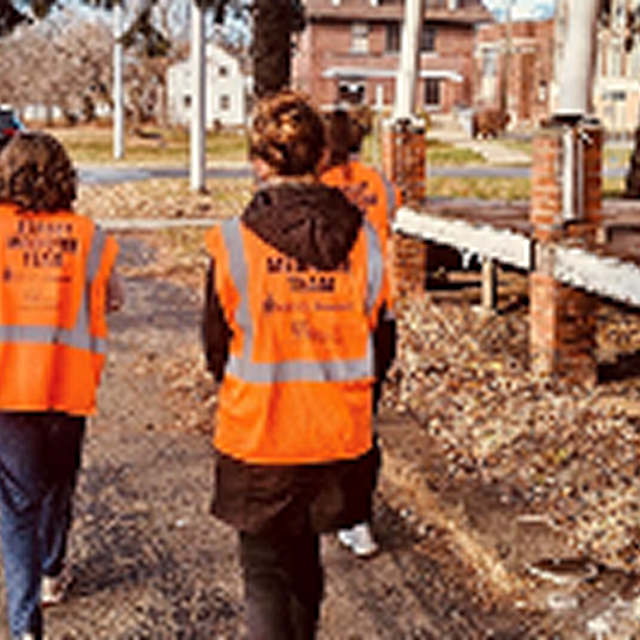
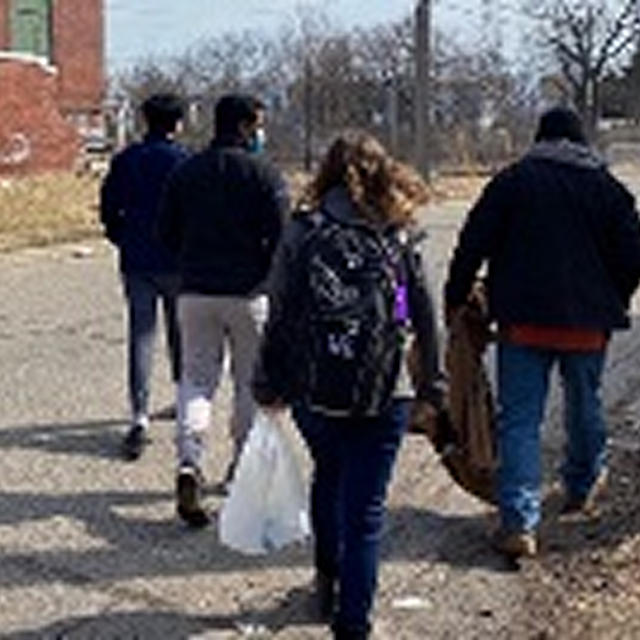
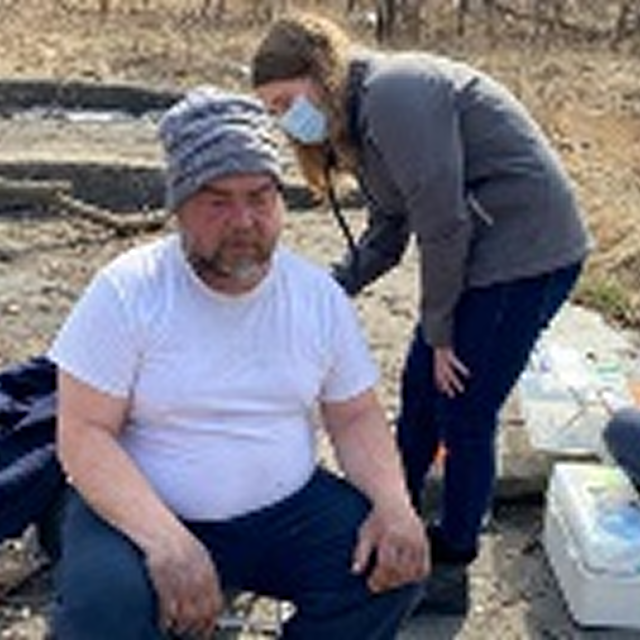
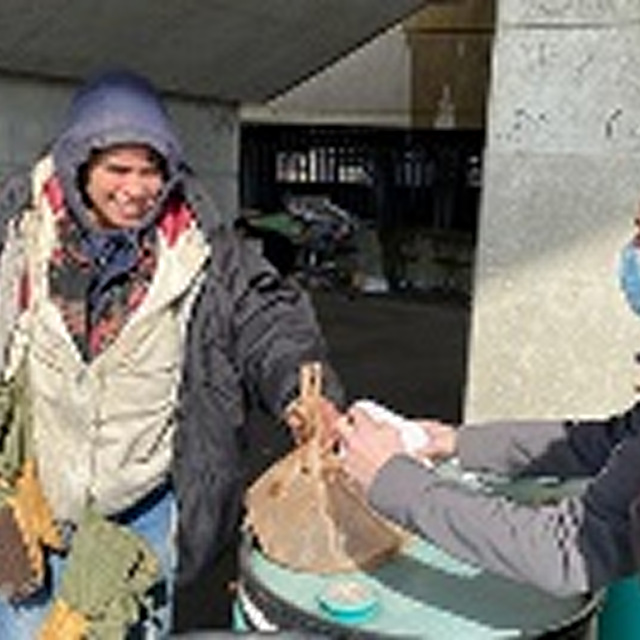
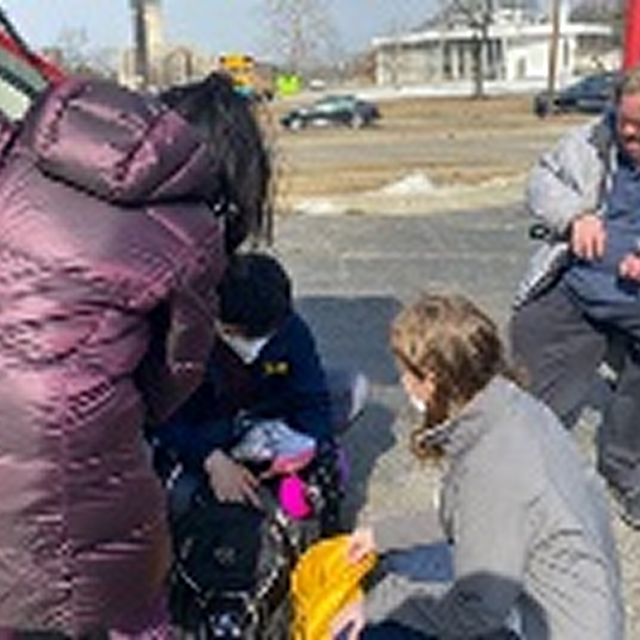
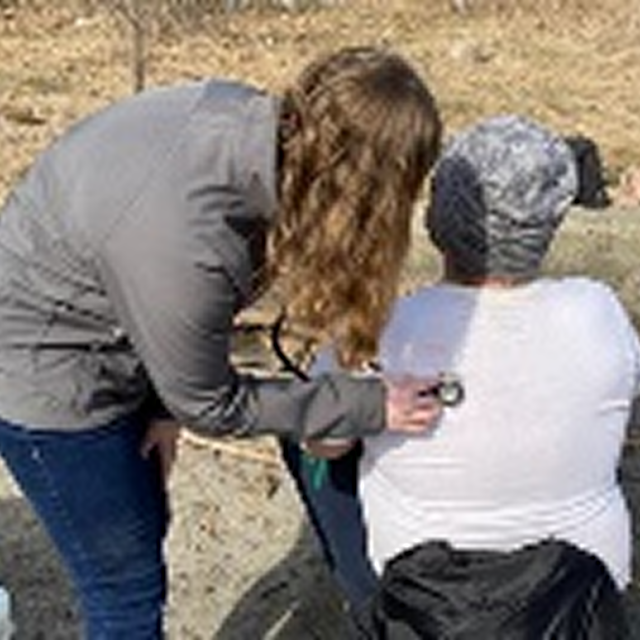
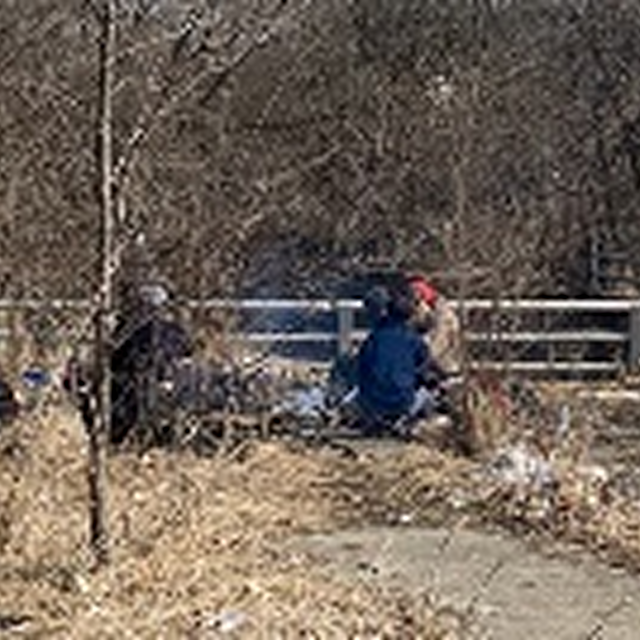
In addition to caring for patients staying at the HOPE shelter, we also provide outreach directly to the homeless population living on the streets of Pontiac and Royal Oak twice monthly. By bringing food, toiletries, clothes, diagnostic tools, and medications directly to the streets where the homeless are living, we can remove several barriers to care for our most vulnerable population. Resident and attending physicians serve alongside medical students, counsel patients, and provide care that they would otherwise be unable to access easily.
Two of our attendings, Dr. Brian Felice and Dr. Laura Ortiz, volunteer with OUWB Street Medicine Pontiac. This organization, started by medical students, aims to bridge the gap between the homeless members of our community and healthcare providers.
“We volunteer on a weekly basis with a group of OUWB medical students to serve the community. Every other week we spend an evening at the Hope Shelter in Pontiac seeing patients in a clinic basis, listening to their concerns, treating what we can and helping them navigate the healthcare system and get connected to other resources. The alternating weeks we are on the streets of Pontiac looking for those that live on the streets, offering medical care, support and resources as we can.”
For those residents that desire more in-depth exposure we have created a one-month elective that provides increased opportunities to serve with our community partners and with the homeless population of Oakland County. Residents have been able to develop additional resources for the patients in our emergency department as well as take part in scholarly activity projects related to healthcare disparities.
Street Medicine Oakland is a collaboration between the Royal Oak Emergency Department and OUWB School of Medicine that aims to bring medical care to underserved and homeless population in Oakland County. Since 2019, attending emergency physicians from both Royal Oak and Troy have been volunteering and supervising medical students on a weekly basis both in the HOPE Shelter in Pontiac or directly on the streets of Pontiac and Royal Oak. By serving in this capacity, we have been able to bridge the healthcare gap and help under-resourced patients navigate the healthcare system and become connected with other community partners to continue care.
Beginning in January of 2021, in conjunction with our healthcare disparities longitudinal curriculum we began to include resident physician volunteers with the HOPE shelter outreach twice monthly. During this volunteer activity resident physicians are able to see patients and supervise medical students that are staying at the HOPE shelter in a clinic-based format. Emergency medicine residents can serve patients and the community while supervising medical students and providing care outside the confines of the hospital.
In addition to caring for patients staying at the HOPE Shelter, we also provide outreach directly to the homeless population living on the streets of Pontiac twice monthly. By bringing food, toiletries, clothes, medical diagnostic tools, and medications directly to the streets where the homeless are living we can remove several barriers to care for our most vulnerable population. Resident physicians and attending physicians are able to serve alongside medical students, counsel patients, and provide care that they would otherwise be unable to access easily.
For those residents that desire more in-depth exposure we have created a one-month elective that provides increased opportunities to serve with our community partners and with the homeless population of Oakland County. Residents have been able to develop additional resources for the patients in our emergency department as well as take part scholarly activity projects related to healthcare disparities.
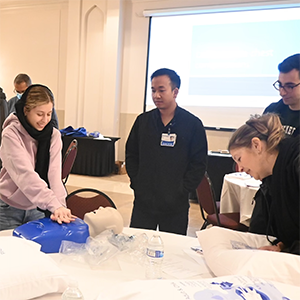
Research has shown that bystander CPR is performed by minority populations at a significantly lower rate than white populations.

The Royal Oak emergency medicine residency, in conjunction with our community engagement and DEI initiatives, created the Metro Detroit CPR training program with the goal to increase education and decrease barriers to CPR training. Our residents and attendings are committed to teaching basic CPR training for adults and children with novel techniques that can be easily replicated in the community. We currently have training classes with minority populations in Dearborn, Pontiac, and Detroit. We hope to improve patient care and continue to foster relationships with our local communities.

Street Medicine Oakland is a collaboration between the Royal Oak emergency department and OUWB School of Medicine that aims to bring medical care to the underserved and homeless population in Oakland County. Since 2019, attending emergency physicians from both Royal Oak and Troy have been volunteering and supervising medical students on a weekly basis both in the HOPE Shelter in Pontiac and directly on the streets of Pontiac and Royal Oak. By serving in this capacity, we have been able to bridge the healthcare gap and help under-resourced patients navigate the healthcare system and become connected with other community partners to continue care.
Beginning in January of 2021, in conjunction with our healthcare disparities longitudinal curriculum we began to include resident physician volunteers with the HOPE shelter outreach twice monthly. During this volunteer activity resident physicians supervise medical students and care for patients that are staying at the HOPE shelter in a clinic-based format. This gives our emergency medicine residents the opportunity to recognize the barriers of care that our patients face and provide free medical care outside the confines of the hospital.
In addition to caring for patients staying at the HOPE shelter, we also provide outreach directly to the homeless population living on the streets of Pontiac and Royal Oak twice monthly. By bringing food, toiletries, clothes, diagnostic tools, and medications directly to the streets where the homeless are living, we can remove several barriers to care for our most vulnerable population. Resident and attending physicians serve alongside medical students, counsel patients, and provide care that they would otherwise be unable to access easily.
Two of our attendings, Dr. Brian Felice and Dr. Laura Ortiz, volunteer with OUWB Street Medicine Pontiac. This organization, started by medical students, aims to bridge the gap between the homeless members of our community and healthcare providers.
“We volunteer on a weekly basis with a group of OUWB medical students to serve the community. Every other week we spend an evening at the Hope Shelter in Pontiac seeing patients in a clinic basis, listening to their concerns, treating what we can and helping them navigate the healthcare system and get connected to other resources. The alternating weeks we are on the streets of Pontiac looking for those that live on the streets, offering medical care, support and resources as we can.”
For those residents that desire more in-depth exposure we have created a one-month elective that provides increased opportunities to serve with our community partners and with the homeless population of Oakland County. Residents have been able to develop additional resources for the patients in our emergency department as well as take part in scholarly activity projects related to healthcare disparities.
Street Medicine Oakland is a collaboration between the Royal Oak Emergency Department and OUWB School of Medicine that aims to bring medical care to underserved and homeless population in Oakland County. Since 2019, attending emergency physicians from both Royal Oak and Troy have been volunteering and supervising medical students on a weekly basis both in the HOPE Shelter in Pontiac or directly on the streets of Pontiac and Royal Oak. By serving in this capacity, we have been able to bridge the healthcare gap and help under-resourced patients navigate the healthcare system and become connected with other community partners to continue care.
Beginning in January of 2021, in conjunction with our healthcare disparities longitudinal curriculum we began to include resident physician volunteers with the HOPE shelter outreach twice monthly. During this volunteer activity resident physicians are able to see patients and supervise medical students that are staying at the HOPE shelter in a clinic-based format. Emergency medicine residents can serve patients and the community while supervising medical students and providing care outside the confines of the hospital.
In addition to caring for patients staying at the HOPE Shelter, we also provide outreach directly to the homeless population living on the streets of Pontiac twice monthly. By bringing food, toiletries, clothes, medical diagnostic tools, and medications directly to the streets where the homeless are living we can remove several barriers to care for our most vulnerable population. Resident physicians and attending physicians are able to serve alongside medical students, counsel patients, and provide care that they would otherwise be unable to access easily.
For those residents that desire more in-depth exposure we have created a one-month elective that provides increased opportunities to serve with our community partners and with the homeless population of Oakland County. Residents have been able to develop additional resources for the patients in our emergency department as well as take part scholarly activity projects related to healthcare disparities.
Research has shown that bystander CPR is performed by minority populations at a significantly lower rate than white populations.
The Royal Oak emergency medicine residency, in conjunction with our community engagement and DEI initiatives, created the Metro Detroit CPR training program with the goal to increase education and decrease barriers to CPR training. Our residents and attendings are committed to teaching basic CPR training for adults and children with novel techniques that can be easily replicated in the community. We currently have training classes with minority populations in Dearborn, Pontiac, and Detroit. We hope to improve patient care and continue to foster relationships with our local communities.
We are committed to building an environment for our students to feel a sense of belonging, feel valued, and respected.
Some ongoing diversity initiatives that we have within the emergency medicine department include:
Healthcare disparities, as defined by the Centers for Disease Control and Prevention (CDC), is the “preventable differences in the burden of disease, injury, violence, or opportunities to achieve optimal health that are experienced by socially disadvantaged populations.”
Our curriculum includes lectures and SIM sessions centered around our care for marginalized communities. In recent years, these have included focus on:
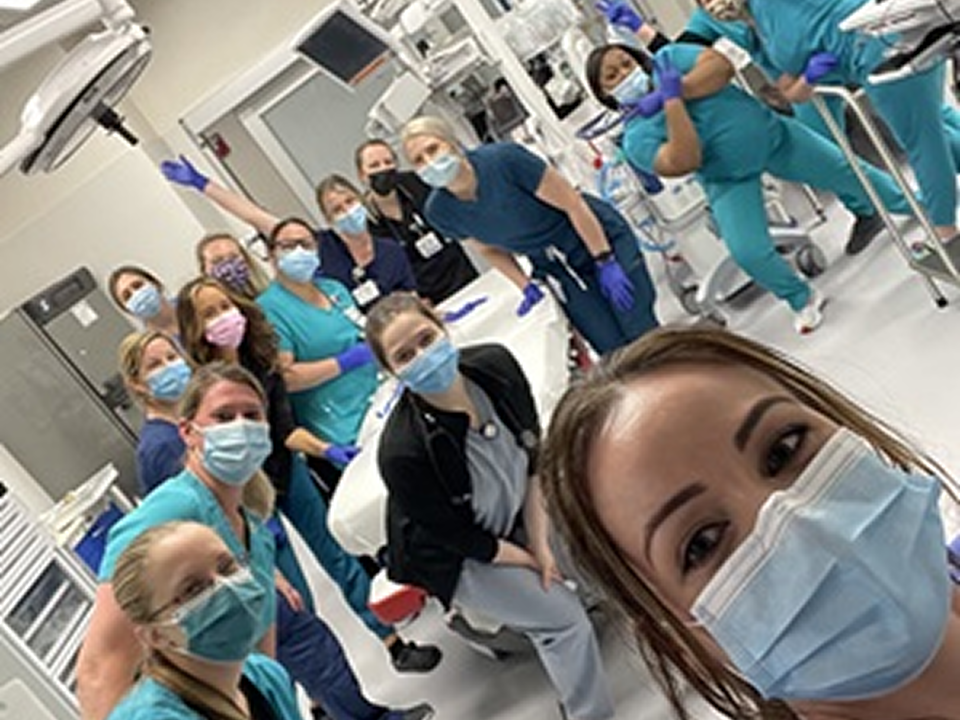
Our emergency medicine department boasts a large number of female faculty who are leaders in their respective fields, ranging from administration to research to medical education. We also have a large number of female residents, making up almost half of our residency. Our FEM-IN-EM group is active with some recent programming, including our ‘Girls Night In: Galantines Edition’ and karaoke night.
3601 W. 13 Mile RdRoyal Oak, MI 48073